The Passion of Anna
1969
No user ratings available yet
Diversity score: 4.6 out of 10
1996
Director
Liv Ullmann
Runtime
196 minutes
Average Rating
No ratings yetSynopsis
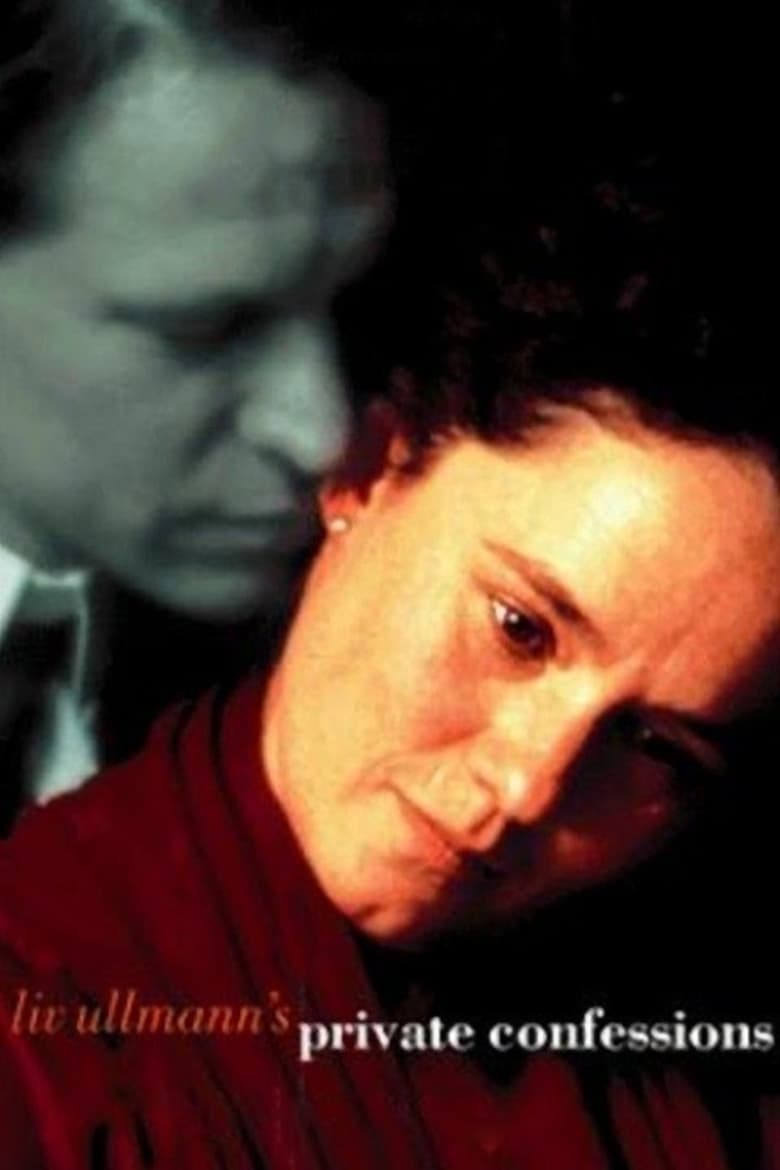
Five conversations frame a flawed marriage in this film written by Ingmar Bergman about his parents. Guilt-ridden wife Anna (Pernilla August) divulges an extramarital affair to a priest, her uncle Jacob (Max von Sydow). He presses her to confess her sins to her husband, Henrik. As the film moves back and forth in time, the notion of truth is tested. Tomas, the lover, and Henrik will find that Anna's confessions do not absolve anyone, and have the power to inflict more pain.
Overall Score
Fair
Category Breakdown
LGBTQ+ Representation
The narrative centers on a flawed heterosexual marriage and an extramarital affair. It lacks LGBTQ+ characters or storylines that specifically critique heteronormativity.
Gender Representation
The film disrupts traditional hierarchies by centering on female subjectivity and psychological depth. It avoids nurturing archetypes, presenting motherhood as a site of complex agency and guilt.
Racial & Ethnic Diversity
The cast is predominantly white and Nordic, reflecting its specific cultural and temporal setting. There is no evidence of significant racial diversity within the primary ensemble.
Religious & Cultural Diversity
The story engages with moral relativism and subjective truth. It uses religious figures and marriage to highlight tensions between systemic expectations and individual psychological reality.
Disability Representation
While the film explores intense psychological distress, it does not feature visible or diagnosed disabilities. There is a lack of proactive representation regarding neurodivergence or physical disability.
Strengths
Areas for Improvement
AI Analysis
Private Confessions is a psychologically dense drama that prioritizes the deconstruction of social and moral frameworks. It succeeds in subverting gendered expectations by focusing on the internal, turbulent landscapes of its female protagonist. However, the film remains limited by its demographic scope. The cast lacks racial and LGBTQ+ diversity, adhering strictly to its Nordic period context. Ultimately, the film's strength lies in its intellectual depth and its challenge to traditional institutions like marriage and religion, even if it lacks broad demographic representation.
1969

1968
1999
1998

1985
2016
1953
2019

1993
1967
1949

2011
No reviews yet. Be the first to share your thoughts on this movie!
Use the rating form above to leave a star rating and optional review.