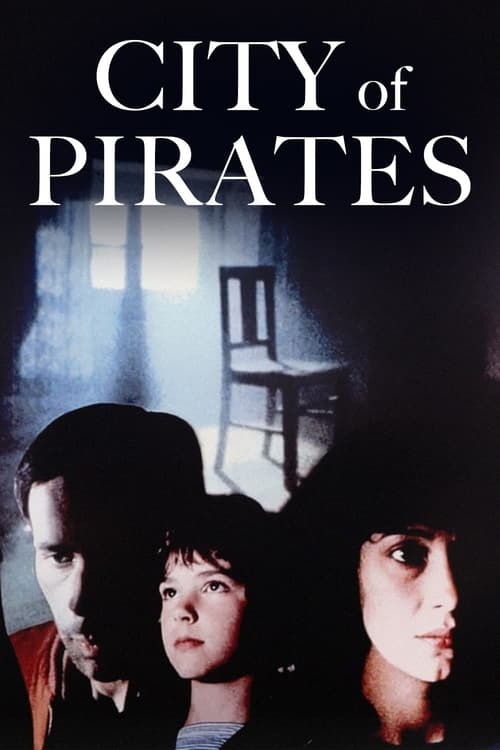
City of Pirates
1984
No user ratings available yet
Diversity score: 5.2 out of 10
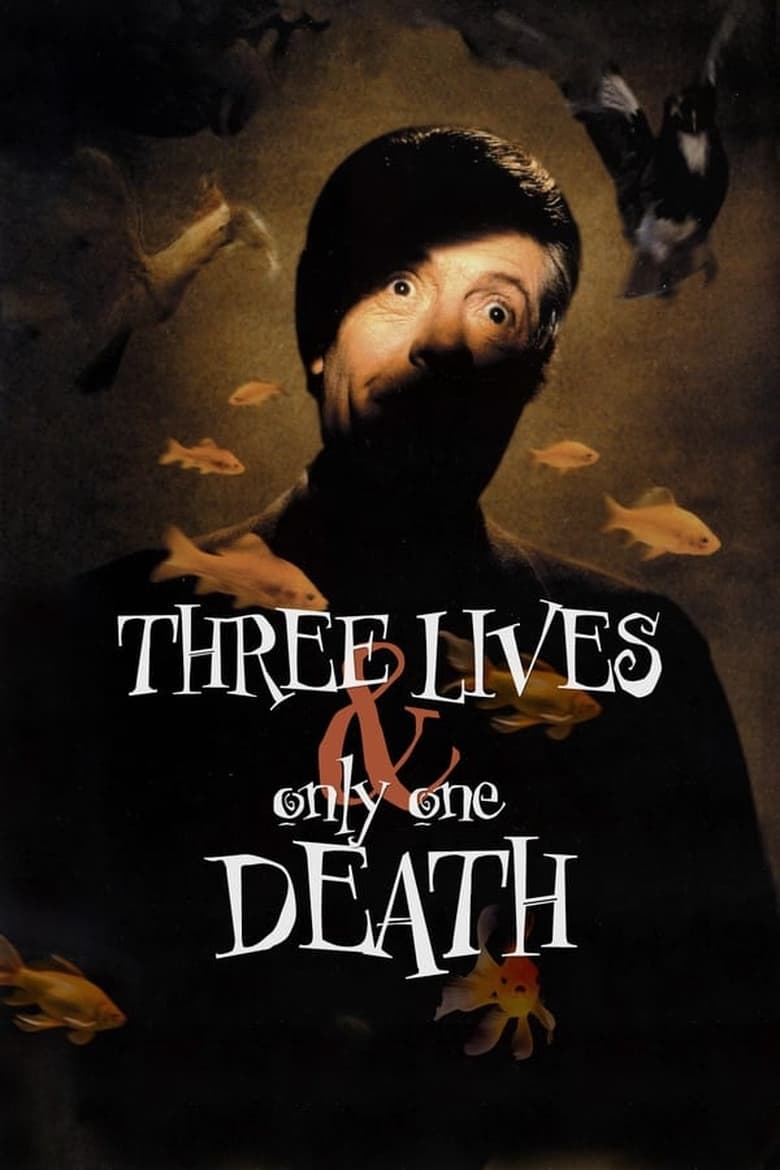
1996
Director
Raúl Ruiz
Runtime
123 minutes
Average Rating
No ratings yetSynopsis
Four intertwining stories of bizarre occurrences in Paris featuring a man who was stolen away by fairies, a professor who becomes a tramp, the lovers who inherit a chateau – and the last tale that connects all that has gone before.
Overall Score
Fair
Category Breakdown
LGBTQ+ Representation
The film subverts heteronormative structures by treating identity as performative rather than absolute. While it lacks explicit, centralized LGBTQ+ character arcs, its focus on shifting personas creates a space for identity fluidity.
Gender Representation
Gender hierarchies are challenged through a dream-like structure that disrupts stable, gendered roles. Characters inhabit various roles through artifice, deconstructing the idea of inherent masculine or feminine essences.
Racial & Ethnic Diversity
The narrative prioritizes metaphysical explorations over social realism, resulting in a lack of visible, intentional intersectional casting. It avoids traditional family units but lacks a significant non-Anglo-Saxon majority.
Religious & Cultural Diversity
The film excels by promoting moral relativism and subjective reality. Its intertwining, bizarre stories reject singular truths and express skepticism toward the stability of Western social and religious institutions.
Disability Representation
Characters function as metaphysical archetypes rather than social subjects. The film avoids centering disability as a moral lesson but lacks agency-driven representation of neurodivergence or physical disability.
Strengths
Areas for Improvement
AI Analysis
Raúl Ruiz’s work operates through a postmodern lens, prioritizing ontological complexity over demographic checklists. The film’s strength lies in its rejection of absolute truths and its deconstruction of stable identities through surrealist vignettes. However, the film lacks explicit representation in several key areas. It misses opportunities for intentional intersectional casting and lacks agency-driven depictions of disability or neurodivergence, focusing instead on archetypal movements. Ultimately, the film is intellectually progressive in its narrative architecture, even if it remains thin on overt, identity-based character arcs.
1984

1991
1992
1991

2000

2000

1979
No reviews yet. Be the first to share your thoughts on this movie!
Use the rating form above to leave a star rating and optional review.