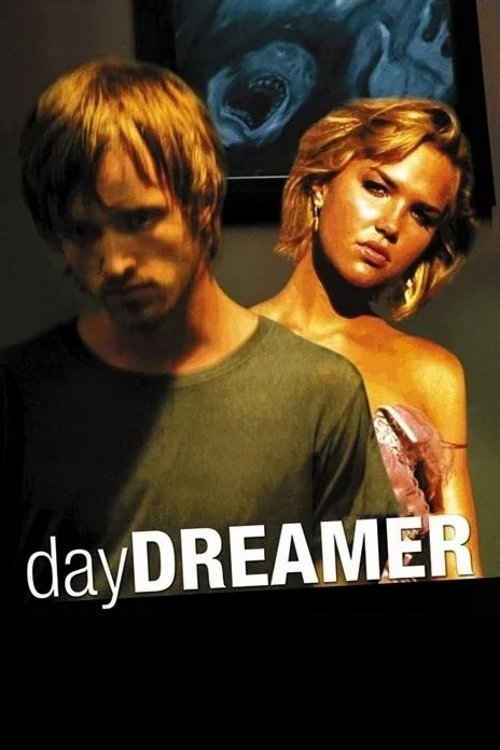
Daydreamer
2007
No user ratings available yet
Representation score: 3.5 out of 10

Representation Score
Fair
2000
Director
Raúl Ruiz
Runtime
100 minutes
Average Rating
No ratings yetNew Showbiz Analysis
Raúl Ruiz offers a postmodern exploration of identity that prioritizes aesthetic artifice over conventional realism. The film functions less as a study of specific demographic politics and more as a systemic deconstruction of the structures that define social reality. While the work lacks overt, multi-layered representation, it succeeds in disrupting the perceived stability of Western social norms. By emphasizing the performative nature of manners and roles, it challenges the 'naturalness' of traditional hierarchies. Ultimately, the film's strength lies in its narrative structure. It replaces objective truth with a fluid, dream-like logic that critiques the very idea of institutional stability.
Category Breakdown
The film uses a surreal approach where identity feels like a performance rather than a fixed trait. Though it doesn't feature explicit LGBTQ+ character arcs, its surrealist perspective avoids rigid, traditional identity clichés.
Set in 18th-century France, the film portrays gender as a theatrical construct. Ruiz's stylistic approach blurs the lines between reality and performance, moving away from the stable masculine leadership typical of period dramas.
The narrative focuses on an aristocratic, 18th-century French setting. There is no indication of significant racial blending or non-Anglo-Saxon majority casting within this historical context.
The film excels by prioritizing dream-like logic and philosophical playfulness over social realism. This deconstruction of traditional structures serves as a critique of predictable, organized social systems.
There is no information available regarding the depiction of physical or neurodivergent disabilities in this work.
Present on Screen
Limited or Absent
Official Synopsis
Today, Camille turns nine. He had sworn that on his 9th birthday he would show his parents the videos he was shooting on the side - the tail of a cat scampering away, a window, and a veiled woman's face - an intriguing picture... Later that day, Camille's mother, Ariane, meets up with her son in the park. The boy appears perturbed. He is leaning against a tree, eyes cast down. He says that now he wants to return to his "real home" and his "real mother."
2007
1974
2016
1992
2012
2004

2003

2004
No reviews yet. Be the first to share your thoughts on this movie!
Use the rating form above to leave a star rating and optional review.