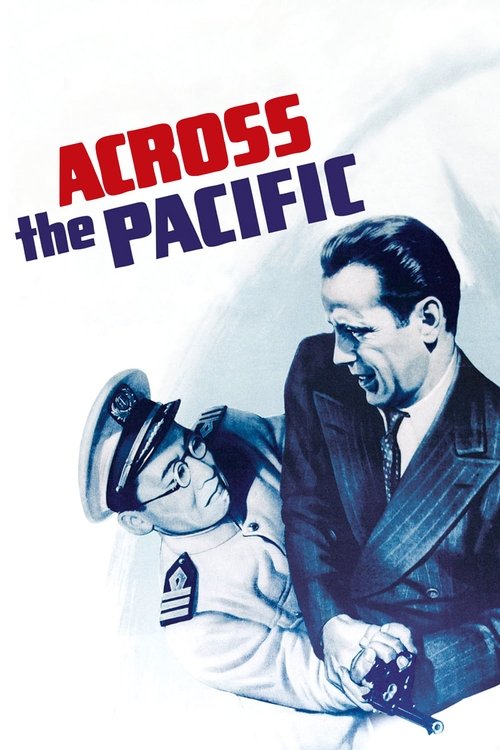
Across the Pacific
1942
No user ratings available yet
Representation score: 1.8 out of 10
Representation Score
Fair
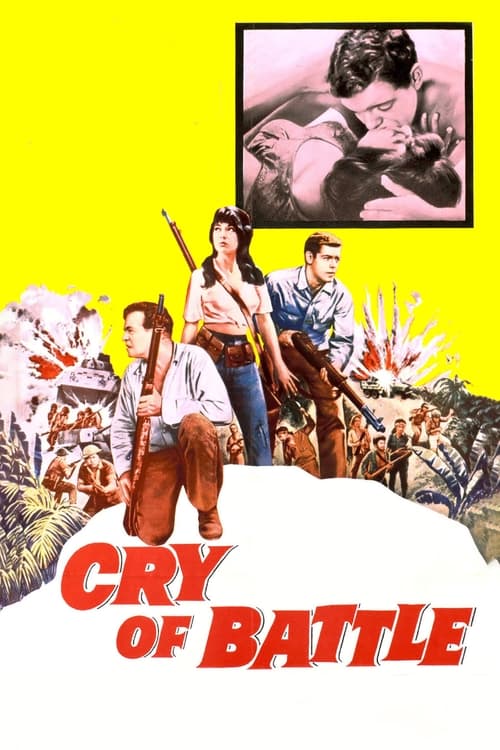
1963
ApprovedDirector
Irving Lerner
Runtime
99 minutes
Average Rating
No ratings yetNew Showbiz Analysis
Cry of Battle is a 1963 war drama that heavily relies on traditional masculine archetypes and period-specific romantic clichés. The narrative centers on a male protagonist's transformation from wealth to guerrilla warfare, limiting the scope of gendered ability to act. While the film lacks progressive identity representation, it offers thematic depth through its critique of class. The protagonist's rejection of a privileged upbringing in favor of anti-imperialist struggle provides a layer of social commentary. The racial dynamics are tied to the historical context of resisting Japanese occupation, suggesting a diverse cast of resistance fighters, though the balance of power among characters is unclear.
Category Breakdown
The film focuses on a traditional romantic storyline centered around the male protagonist. There is no indication of non-straight relationships or same-sex intimacy.
The story emphasizes the male protagonist's journey through a coming-of-age archetype. While romance is mentioned, the narrative primarily centers on the male character's development.
The film is set during a time of resistance against Japanese occupation, featuring a mix of Western and local characters. However, the specific roles and ability to act of non-Western characters are not clearly defined.
The narrative critiques class structures by following a wealthy individual's involvement in a grassroots movement. This shift from privilege to collective struggle challenges conventional capitalist narratives.
The provided documentation contains no information regarding the depiction of physical or neurodivergent disabilities.
Present on Screen
Limited or Absent
Official Synopsis
During World War II, the spoiled son of a wealthy businessman finds himself involved in the guerrilla movement fighting against the Japanese, and finds romance and adventure.
1942
1945
1960
1964
1950
1945
1959
1939
No reviews yet. Be the first to share your thoughts on this movie!
Use the rating form above to leave a star rating and optional review.