
The Bamboo Blonde
1946
No user ratings available yet
Representation score: 1.4 out of 10
Representation Score
Minimal
1942
ApprovedDirector
John Huston
Runtime
97 minutes
Average Rating
No ratings yetNew Showbiz Analysis
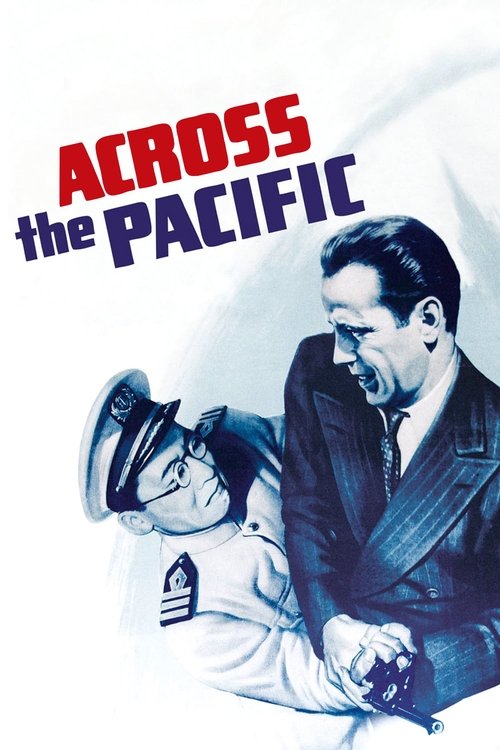
Across the Pacific is a genre-driven thriller that prioritizes wartime suspense and mystery over the exploration of diverse identities. It functions as a product of its 1942 context, focusing on geopolitical tension rather than social deconstruction. The film succeeds in offering a more nuanced portrayal of female control through Marlene Dietrich's character, who avoids the passive clichés common to the era. However, this is offset by a lack of racial diversity and a total absence of LGBTQ+ or disability representation. Ultimately, the narrative remains centered on Western archetypes and traditional power structures, reflecting the era's focus on individual control within established wartime frameworks.
Category Breakdown
The film does not include any LGBTQ+ characters or non-assuming gender matches what was assigned at birth identities. The interpersonal dynamics focus on traditional romantic tension and wartime espionage without any queer subtext.
Alberta Marlow provides a degree of control and intellectual equality within the espionage plot. However, the narrative still relies on conventional 1940s romantic clichés and male-led suspense.
The cast mainly features Western European and American archetypes. While it touches on various nationalities, it lacks meaningful racial or ethnic diversity.
The story explores moral ambiguity and individualist survival over nationalistic fervor. It remains rooted in wartime distinctions between Allied and Axis interests.
There are no visible or invisible disabilities portrayed. Characters are defined by their professional roles and physical ability to navigate the Swiss Alps.
Present on Screen
Limited or Absent
Official Synopsis
Rick Leland makes no secret of the fact he has no loyalty to his home country after he is court-martialed out of the army and boards a Japanese ship for the Orient in late 1941. But has Leland really been booted out, or is there some other motive for his getting close to fellow passenger Doctor Lorenz? Any motive for getting close to attractive traveler Alberta Marlow would however seem pretty obvious.
1946
1945

1953
1964

1945

1941

1952

1952
No reviews yet. Be the first to share your thoughts on this movie!
Use the rating form above to leave a star rating and optional review.