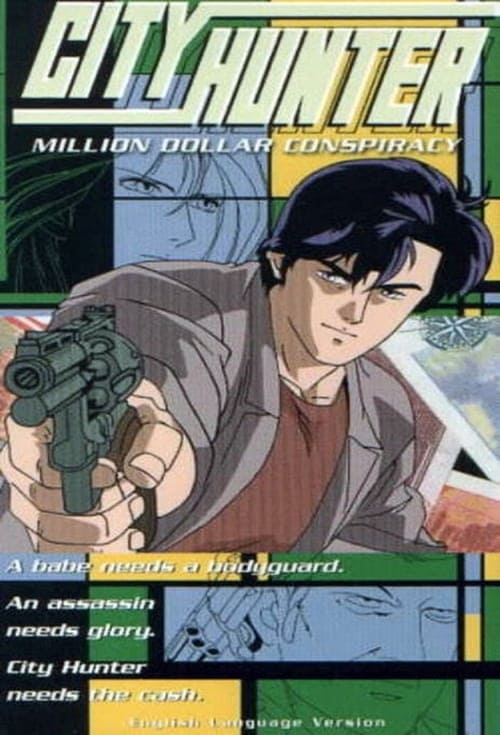
City Hunter: Million Dollar Conspiracy
1990
No user ratings available yet
Representation score: 4.0 out of 10
Representation Score
Limited
1989
Director
Kenji Kodama
Runtime
80 minutes
Average Rating
No ratings yetNew Showbiz Analysis
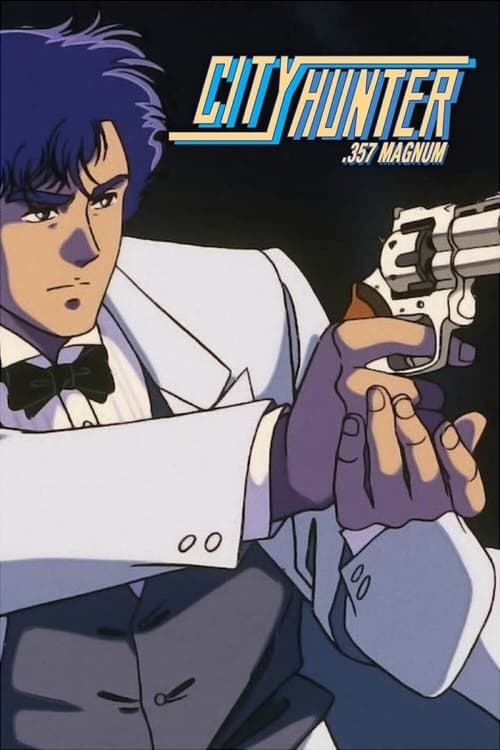
City Hunter: .357 Magnum is a classic 1980s action film that emphasizes genre conventions over social commentary. Its strength lies in the gender dynamics, particularly the active role of the female lead. However, the film remains culturally and demographically homogeneous, reflecting the social norms of its era without broader characters who reflect more than one aspect of diversity.
Category Breakdown
The film follows traditional romantic structures and lacks any queer narratives. There are no characters with LGBTQ+ identities.
Kaori Makimura actively regulates the hyper-masculine protagonist, challenging traditional gender roles. She uses humor and strong character development to influence the plot.
The cast is primarily Japanese, with international characters like Klaus serving geopolitical purposes rather than representing diverse backgrounds.
The story focuses on individual heroism and professional competence within the urban crime thriller genre, avoiding broader systemic critiques.
The film does not prominently depict characters with disabilities. Characters are defined by their professional roles and physical abilities within the action genre.
Present on Screen
Limited or Absent
Official Synopsis
A beautiful pianist comes to Tokyo for a charity concert - and City Hunter is there. But music isn't his forte. He wants lessons in the language of love. Desperation is the word as bodies start dropping. A foreign dignitary is assassinated in cold blood. Secret agents scour the streets for a missing microchip. And diplomatic infighting swirls around the upcoming concert until Nina the pianist and her grandfather Klaus are kidnapped. A maelstrom of exploding grenades, the rumble of Falcon's jeep, and the tinkling of the ivories all set the stage for City Hunter: . 357 Magnum. The show must go on!
1990

2001

2019

2000
1996
1997

1999

1990
No reviews yet. Be the first to share your thoughts on this movie!
Use the rating form above to leave a star rating and optional review.