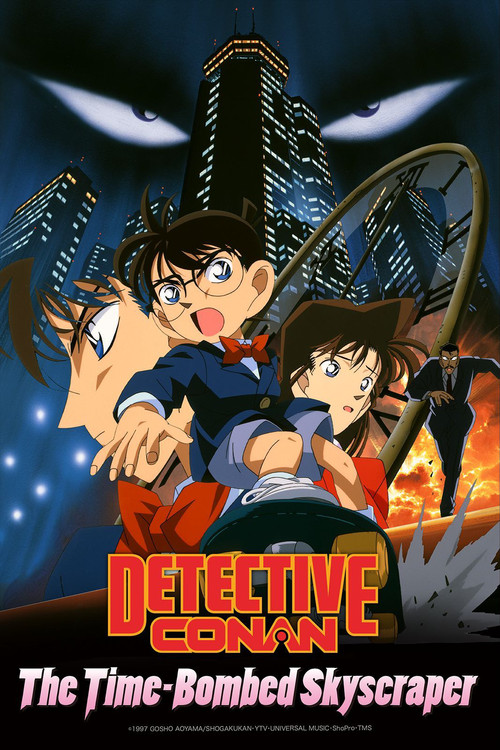
Detective Conan: The Time Bombed Skyscraper
1997
No user ratings available yet
Representation score: 2.0 out of 10
Representation Score
Minimal
1998
PGDirector
Kenji Kodama
Runtime
100 minutes
Average Rating
No ratings yetNew Showbiz Analysis
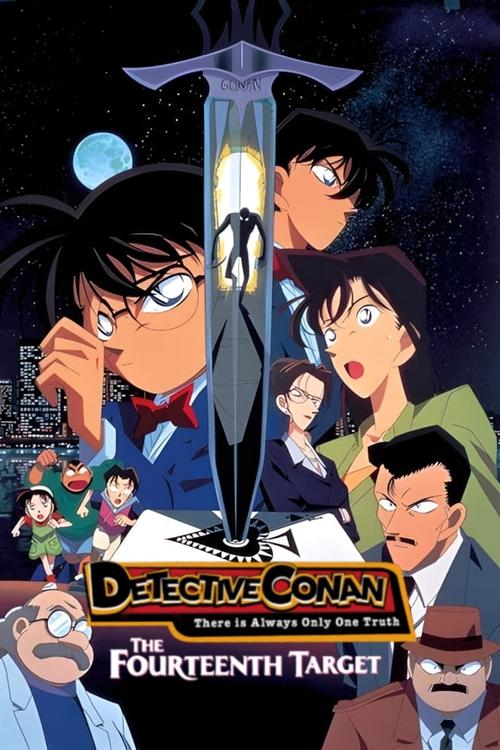
Case Closed: The Fourteenth Target is a traditional genre procedural that upholds established narrative conventions. While it avoids the most simplistic gender clichés by showcasing Ran Mouri's physical prowess, the film remains rooted in a conventional social order. The production is culturally specific and ethnically uniform, focusing on a localized Japanese context without delving into broader cultural or multi-layered identities. This results in a narrative that reinforces societal norms rather than challenging them. Ultimately, the film's strength lies in its portrayal of capable female characters, but its lack of diversity in terms of identity, disability, and cultural breadth limits its overall impact.
Category Breakdown
The film does not include any LGBTQ+ characters or non-straight relationships. The interpersonal dynamics center around traditional heterosexual romance between the main character and the female lead.
Ran Mouri is represented through her physical abilities and martial arts expertise. She avoids the damsel-in-distress cliché, but the male protagonist retains the primary intellectual role.
The cast is ethnically uniform, reflecting a local Tokyo setting. The narrative does not explore diverse cultural backgrounds or multi-layered identities.
The story adheres to a traditional crime and punishment storyline, reinforcing institutional norms. It emphasizes individual heroism and family protection without addressing broader systemic issues.
There are no prominent depictions of visible or invisible disabilities. Characters operate within a standard range of physical and cognitive abilities.
Present on Screen
Limited or Absent
Official Synopsis
Ran’s secret past revealed! Ten years ago, something happened between her mom and dad. Now, plagued by nightmares, Ran is starting to remember… Meanwhile, a murderous card dealer breaks out of jail to seek revenge. His target: Ran’s father. Can Conan stop him in time and save his girlfriend’s family?
1997

2000
2003
1999

2001

2018

2015
2009
No reviews yet. Be the first to share your thoughts on this movie!
Use the rating form above to leave a star rating and optional review.