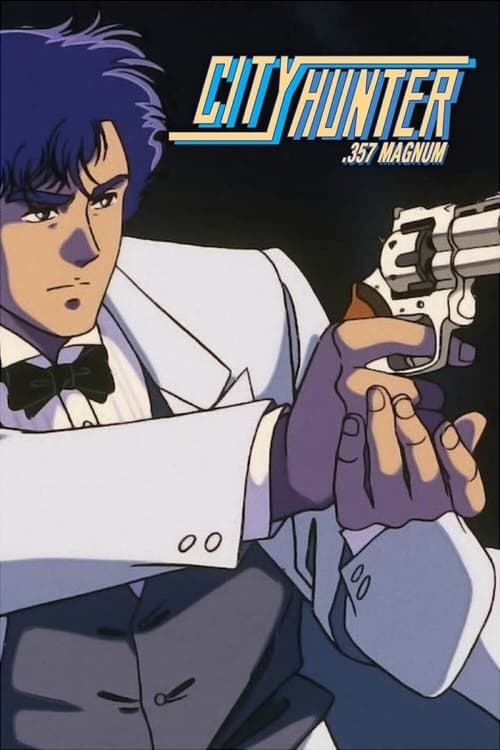
City Hunter: .357 Magnum
1989
No user ratings available yet
Diversity score: 3.9 out of 10
1990
TV-MADirector
Kenji Kodama
Runtime
45 minutes
Average Rating
No ratings yetSynopsis
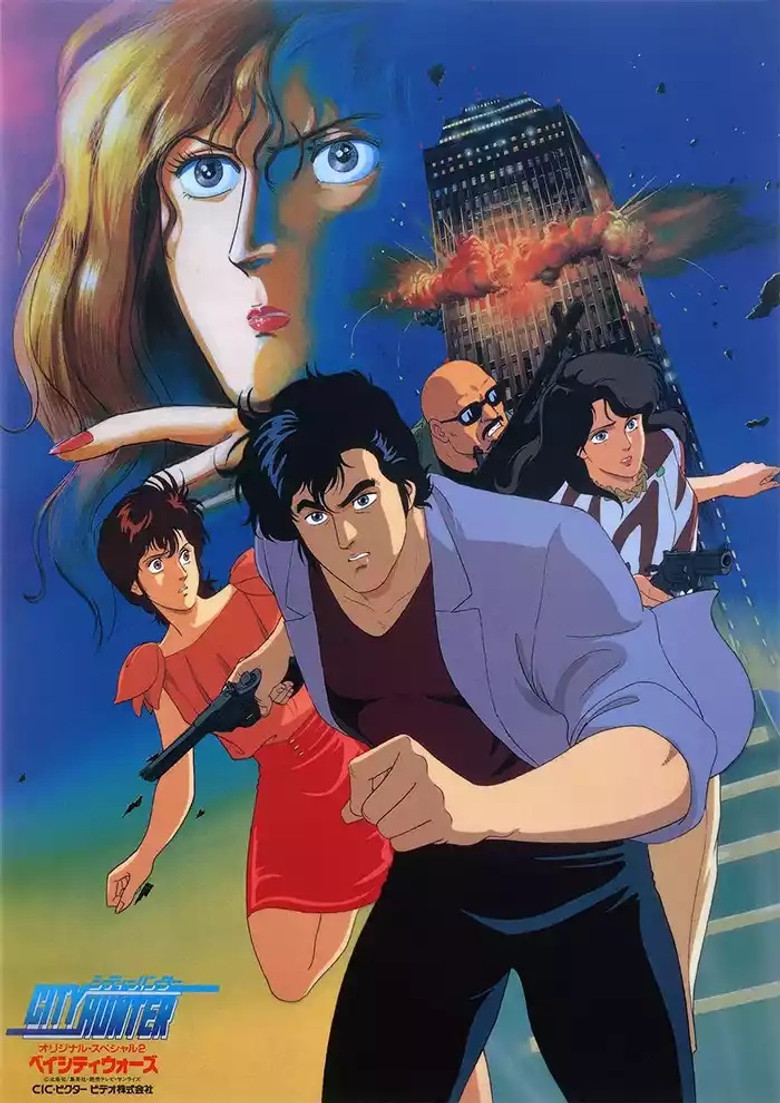
Rival private eyes Ryo Saeba and Umibozu must find a way into a high-tech luxury hotel to rescue their friends who are being held hostage and stop a mad South American dictator's plans to use the hotel's supercomputer to unleash a nuclear holocaust. Highly reminiscent of Die Hard, right down to a scene where Ryu bunjee-jumps off of the roof of the hotel skyscraper with a fire hose. Written by Christopher E. Meadows
Overall Score
Limited
Category Breakdown
LGBTQ+ Representation
The film lacks explicit LGBTQ+ characters or storylines. Romantic tension remains centered on the heteronormative relationship between Ryo Saeba and Kaori Makimura.
Gender Representation
Kaori Makimura provides a powerful foil to Ryo Saeba's hyper-masculine archetype. Her use of physical comedy subverts male authority and prevents a purely patriarchal structure.
Racial & Ethnic Diversity
The setting mirrors American urban environments with a Japanese cast. A South American dictator provides global geopolitical stakes, though the focus remains on action spectacle.
Religious & Cultural Diversity
The narrative presents a world of moral relativism where justice is a private commodity. It utilizes Western backdrops without actively critiquing capitalism or religious institutions.
Disability Representation
There is no significant or intentional depiction of visible or invisible disabilities. Characters are defined primarily by their physical prowess and combat capabilities.
Strengths
Areas for Improvement
AI Analysis
City Hunter: Bay City Wars is a high-octane genre piece that prioritizes kinetic action and established archetypes over social commentary. It functions as an exploration of individualistic heroism rather than a vehicle for systemic critique. The film finds its most interesting footing in its gender dynamics. By using comedic tropes to discipline the protagonist's masculine posturing, the story avoids a strictly traditional hierarchy. However, the work remains largely tethered to conventional structures. It lacks intentionality regarding LGBTQ+ identities, disability, or deep cultural exploration, focusing instead on the spectacle of the conflict.
1989
1990
2019
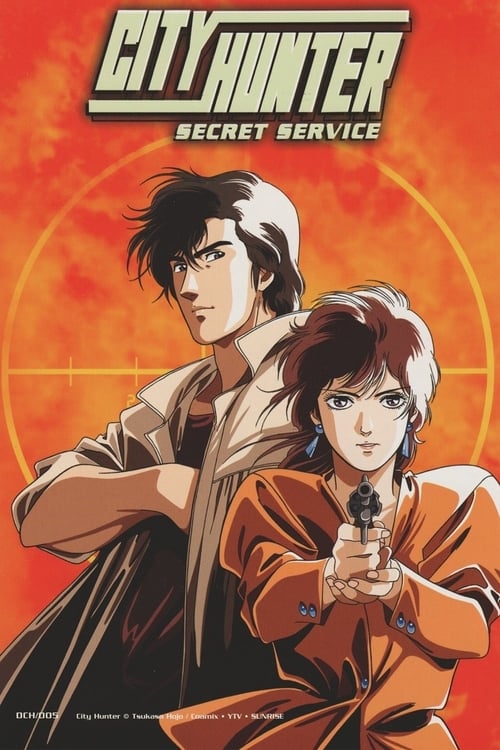
1996
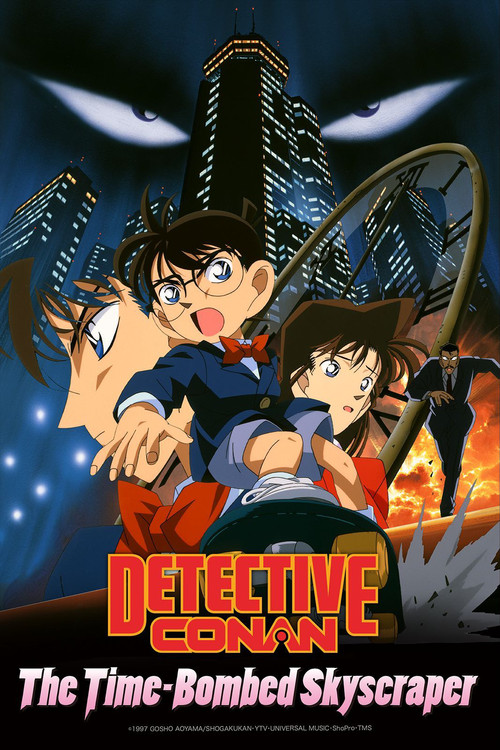
1997
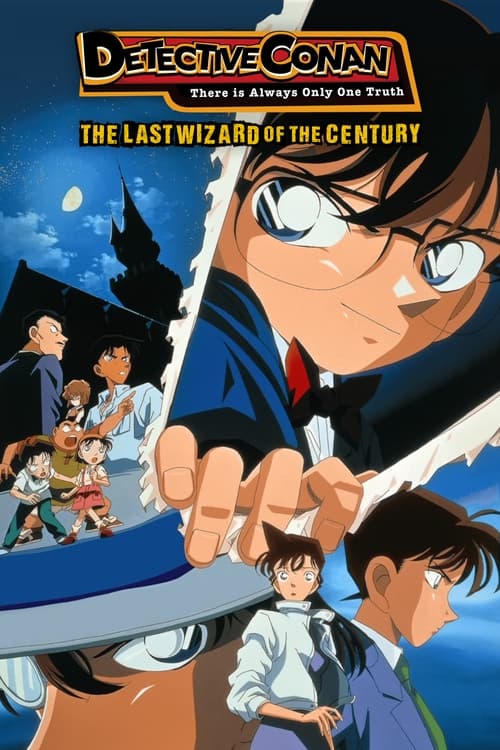
1999
No reviews yet. Be the first to share your thoughts on this movie!
Use the rating form above to leave a star rating and optional review.