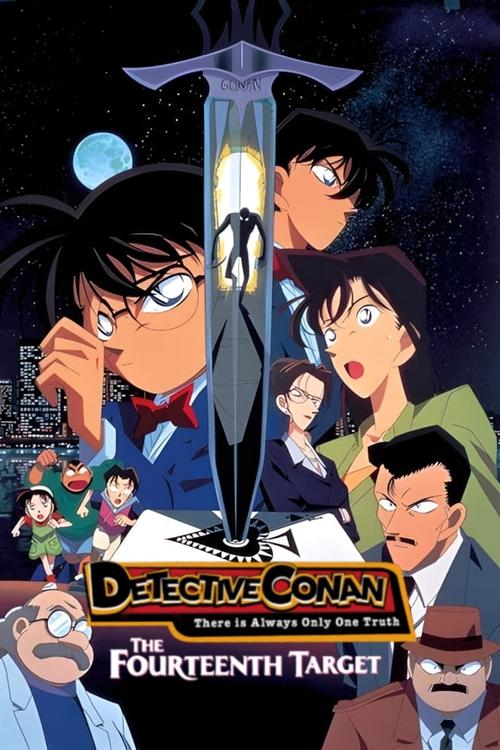
Case Closed: The Fourteenth Target
1998
No user ratings available yet
Representation score: 1.8 out of 10
Representation Score
Minimal
1997
TV-14Director
Kenji Kodama
Runtime
94 minutes
Average Rating
No ratings yetNew Showbiz Analysis
The film is a typical 1990s procedural that emphasizes restoring social order. It successfully portrays female characters as competent and physically active, moving beyond traditional gender roles. However, the narrative remains culturally and socially conservative, focusing on a homogeneous Japanese cast and traditional institutional authority. Ultimately, while the film offers some subversion of gender clichés, it lacks meaningful representation of LGBTQ+ identities, racial diversity, or disability.
Category Breakdown
The film adheres to traditional assumptions about straight relationships and does not include characters with diverse sexual orientations or gender identities.
Ran Mouri is portrayed as a capable martial artist who actively influences the story, rather than being a passive character. The film includes meaningful conversations between female characters, passing the Bechdel test.
The cast is predominantly Japanese, reflecting a specific Tokyo setting. The film avoids stereotypes but does not feature characters from different racial or ethnic backgrounds.
The story emphasizes the effectiveness of traditional institutions like the police force. It follows a conventional moral arc where social order is restored through logical deduction.
Conan's condition, which involves a physiological regression, is used as a plot device rather than exploring disability issues. No other characters with visible or invisible disabilities are featured.
Present on Screen
Limited or Absent
Official Synopsis
Once brilliant teenage detective Shinichi Kudo was given a poison that reverted him to a 4-year-old. He's adopted the pseudonym Conan Edogawa so no one (save for an eccentric inventor) will know. Now he's got to solve a series of bombings before his loved ones become victims. Who is this madman and why is he doing this? Only the young genius can save the day but will even he be up to the task?
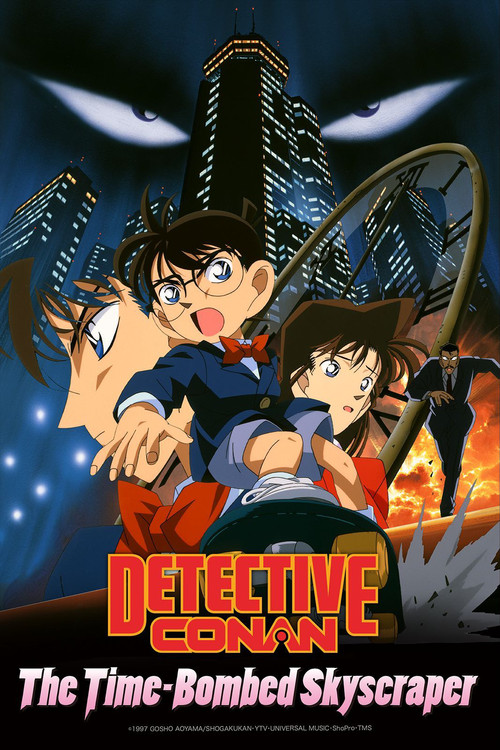
1998
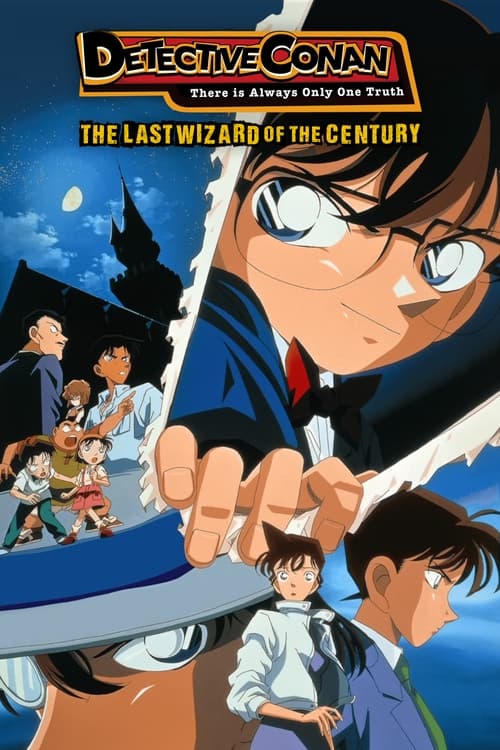
1999
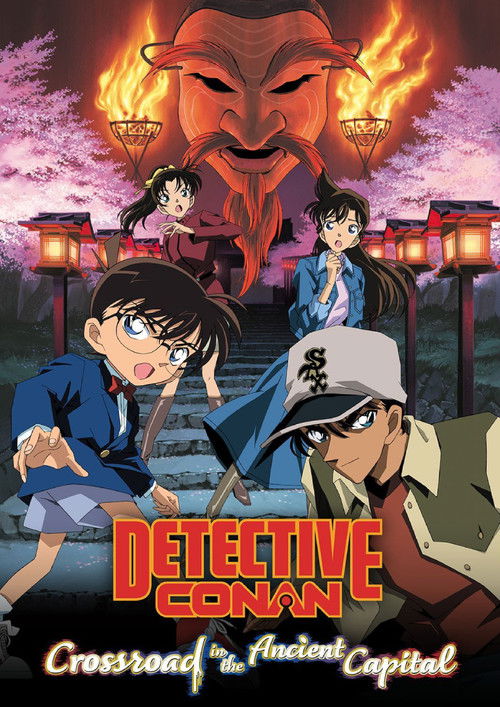
2003

2000
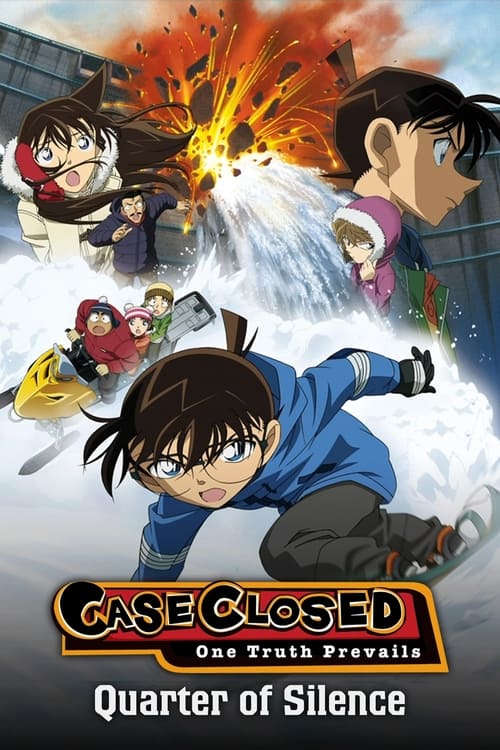
2011
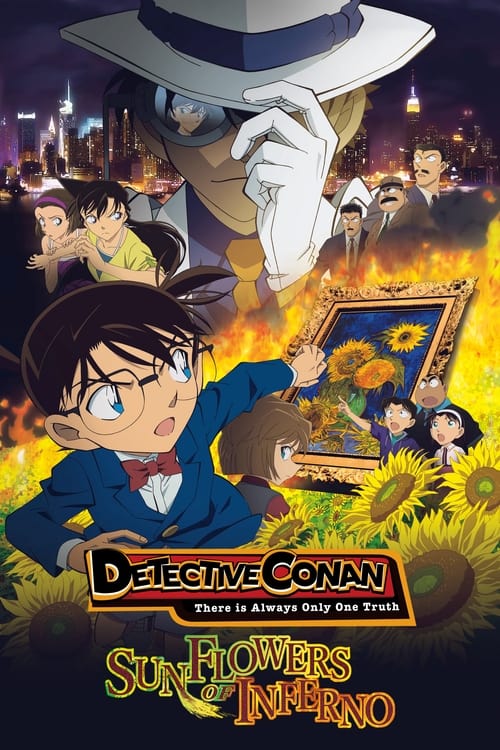
2015
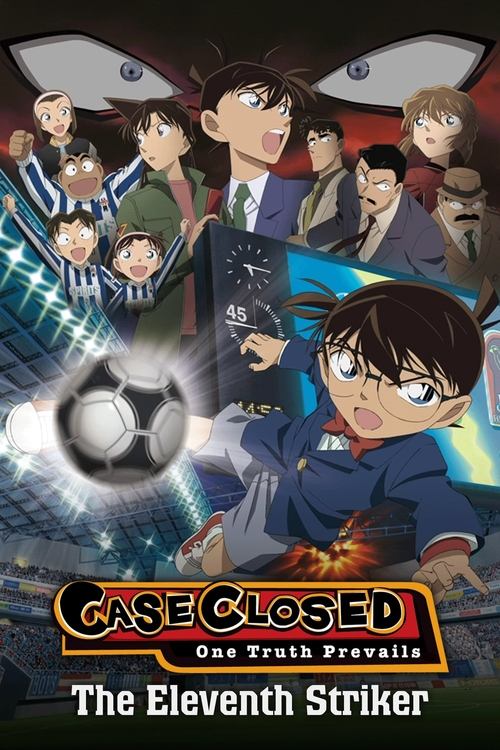
2012
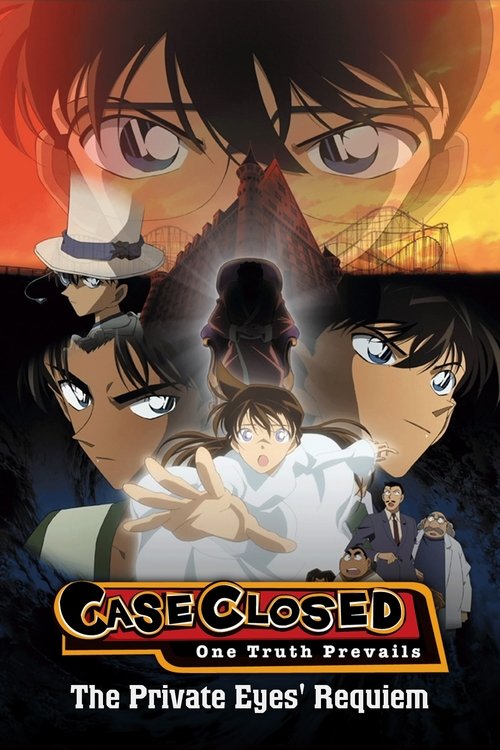
2006
No reviews yet. Be the first to share your thoughts on this movie!
Use the rating form above to leave a star rating and optional review.