
La guerra è finita
2002
No user ratings available yet
Diversity score: 3.4 out of 10
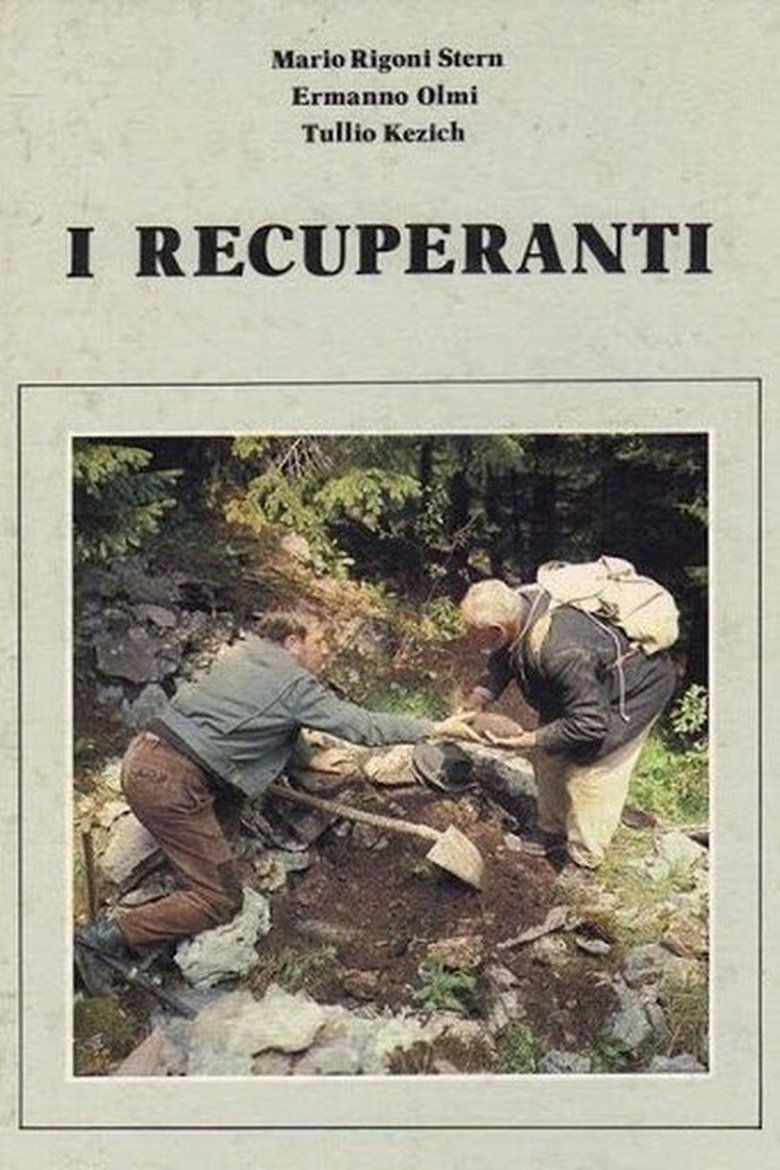
1972
Director
Ermanno Olmi
Runtime
94 minutes
Average Rating
No ratings yetSynopsis
After World War II an Italian soldier returns to his hometown near the Alps and, unable to find a job, hooks up with a crotchety hermit who scavenges buried shells and bombs for scrap metal.
Overall Score
Limited
Category Breakdown
LGBTQ+ Representation
The film lacks any discernible presence of LGBTQ+ characters. It remains focused on the material realities of post-war survival within a traditional rural framework.
Gender Representation
Gender roles are depicted through the lens of historical necessity. While women participate in survival labor, the narrative adheres to traditional hierarchies without subverting masculine authority.
Racial & Ethnic Diversity
The cast is demographically homogenous, reflecting the specific historical and geographic constraints of a rural, post-war Italian community. This results in low intersectional variety.
Religious & Cultural Diversity
The film offers a profound critique of economic structures and systemic struggle. It portrays traditional institutions through their inability to alleviate extreme poverty.
Disability Representation
There is no explicit focus on specific disabilities. Instead, the film portrays the physical toll of manual labor and the limiting effects of extreme poverty.
Strengths
Areas for Improvement
AI Analysis
Ermanno Olmi’s work prioritizes the documentation of class struggle over demographic variety. The film functions as a social-realist study of those left behind by the post-war economic engine, emphasizing systemic destitution rather than individual moral agency. While the film lacks representation regarding LGBTQ+ identities, racial diversity, or gender subversion, it achieves sophistication through its critique of economic inequality. It focuses on the 'ragpickers' living on the fringes of society. Ultimately, the narrative architecture is shaped by the harsh demands of poverty and the necessity of subsistence, making the struggle for survival the central character of the film.
No reviews yet. Be the first to share your thoughts on this movie!
Use the rating form above to leave a star rating and optional review.