The Price of Silence
1959
No user ratings available yet
Representation score: 1.4 out of 10
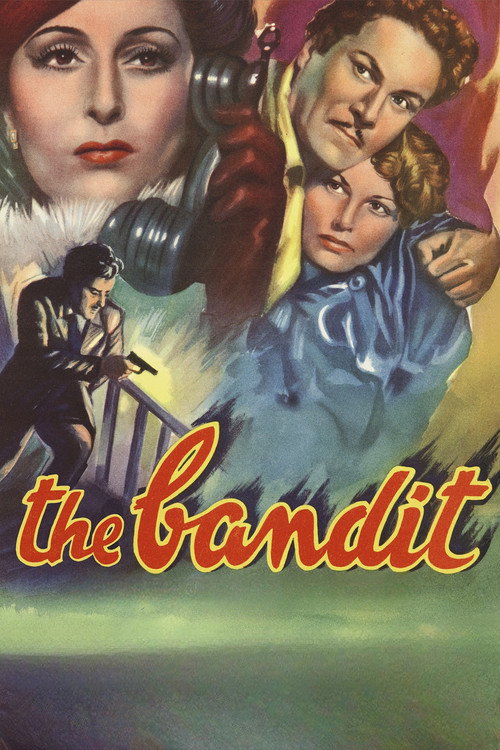
Representation Score
Fair
1946
Director
Alberto Lattuada
Runtime
84 minutes
Average Rating
No ratings yetNew Showbiz Analysis
The film serves as a gritty exploration of displacement and societal collapse in post-war Italy. It prioritizes social realism and the dismantling of traditional institutions over modern identity-based representation. While the narrative provides a powerful critique of capitalism and the state's failure, it remains grounded in the homogeneous society of 1940s Turin. The focus is primarily on the male protagonist's struggle to survive in a fractured economy. Ultimately, the work finds its strength in its examination of how broken social safety nets push individuals toward criminality, rather than in demographic variety.
Category Breakdown
The film focuses on the struggle for survival after the war. There are no non-straight relationships or queer stories in the main plot.
The story centers on the male experience of trauma and economic hardship. It emphasizes masculine roles as the protagonist tries to regain control over his life.
Set in post-war Turin, the film reflects a localized, homogeneous society. It does not include diverse racial or ethnic backgrounds.
The film offers a critical look at Western institutions. It shows the breakdown of the family and the state's inability to support its citizens.
The story touches on the psychological impact of war through the experiences of prisoners of war. However, there are no characters with specific disabilities as central figures.
Present on Screen
Limited or Absent
Official Synopsis
Among others, Ernesto returns to Turin after the war from a German POW camp; his household destroyed and family deceased, he tries making an honest living.
1959

1949
1944
1949

1952

1952

1972
2018
No reviews yet. Be the first to share your thoughts on this movie!
Use the rating form above to leave a star rating and optional review.