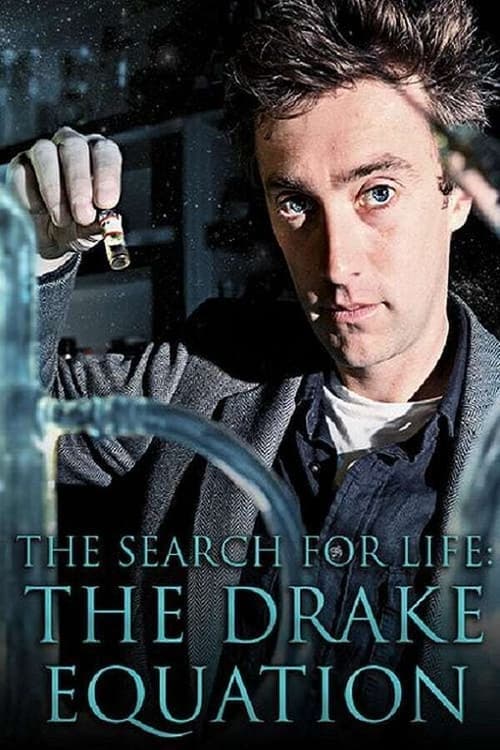
The Search for Life: The Drake Equation
2010
No user ratings available yet
Representation score: 3.7 out of 10
Representation Score
Fair
2016
Director
thomas hewitson
Runtime
59 minutes
Average Rating
No ratings yetNew Showbiz Analysis
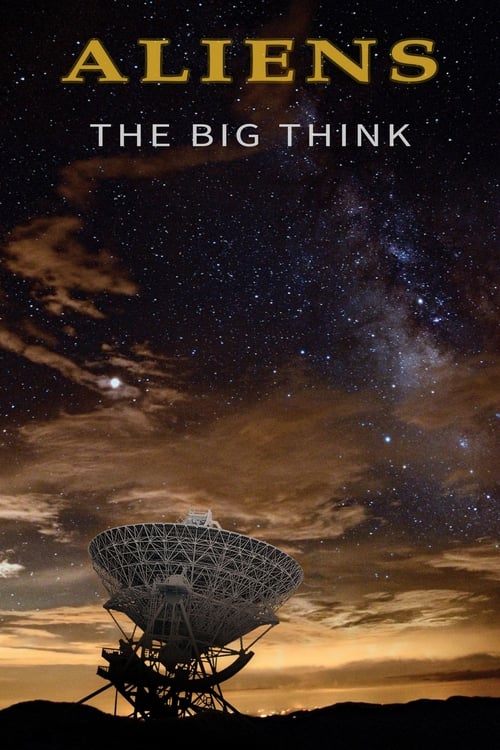
Aliens: The Big Think is a scientific documentary that prioritizes intellectual frameworks over social representation. It avoids religious dogma, focusing instead on a secular, cosmological perspective on the existence of life. However, the film lacks intentional diversity, following traditional academic hierarchies without highlighting gender or racial variety among experts. Ultimately, it serves as a specialized inquiry into space and technology, avoiding religious dogma but not actively challenging social norms.
Category Breakdown
The documentary focuses on cosmological inquiry and the search for extraterrestrial intelligence. There are no characters or stories related to LGBTQ+ identities.
The film centers on the intellectual contributions of Professor Martin Rees. It follows traditional academic structures without showing diverse gender representation in science and technology fields.
The documentary explores universal scientific questions but does not provide specific demographic details about the participating scientists. It does not show a non-Anglo-Saxon majority.
The film prioritizes scientific inquiry over religious beliefs. It frames life through cosmology and machine intelligence rather than divine creation, aligning with secular frameworks.
There is no mention of experts or characters with visible or invisible disabilities. The focus remains strictly on astronomical theory.
Present on Screen
Limited or Absent
Official Synopsis
The hunt for aliens is on! After a distinguished career in cosmology Professor Martin Rees, the astronomer royal, has taken up the search for extra-terrestrials. Looking for aliens is no longer science fiction - it is a question that's engaging some of the greatest minds in science. As our knowledge of the universe has increased, we're getting closer to answers. Many scientists now think we live in galaxy with a billion Earth-like planets, many of which may be teeming with life. But what kind of life? Has anything evolved into beings we could communicate with? This film gets inside the minds of the scientists considering one of the most exciting and profound questions we can ask - are we alone in the universe? Professor Rees thinks we may have our idea of what an alien is like all wrong. If he's right, it's not organic extra-terrestrials we should look for, it's machines.
2010
2022

2016
2013
2017

2008
2017

2017
No reviews yet. Be the first to share your thoughts on this movie!
Use the rating form above to leave a star rating and optional review.