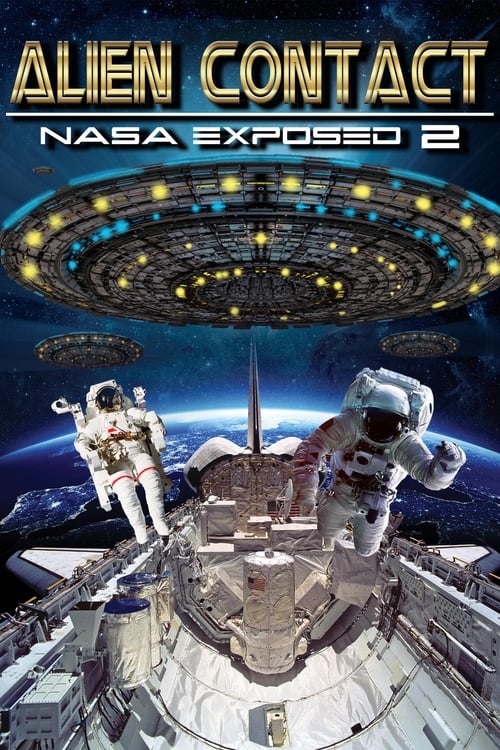
Alien Contact: NASA Exposed 2
2017
No user ratings available yet
Representation score: 2.1 out of 10

Representation Score
Limited
2017
Not RatedDirector
J. Michael Long
Runtime
63 minutes
Average Rating
No ratings yetNew Showbiz Analysis
Alien Contact: Outer Space is a specialized documentary focused on speculative science and astronomical history. The narrative structure emphasizes cosmic exploration and technological milestones over human social representation. Since the subject matter revolves around probes, radio waves, and extraterrestrial phenomena, the film lacks the character-driven depth necessary to explore identity. It serves primarily as an informational work rather than a platform for social commentary. The low diversity score reflects a focus on non-human subjects, avoiding engagement with human social hierarchies or multi-layered narratives.
Category Breakdown
The documentary focuses entirely on astronomical phenomena and historical space probes. There are no LGBTQ+ characters or narratives addressing non-assuming gender matches what was assigned at birth identities.
The documentary focuses solely on scientific history and technological advancements. There is no meaningful exploration of gender-based narratives or character development.
The film references global scientific achievements, particularly Russian space programs. However, it focuses on scientific objects rather than diverse human characters.
The documentary examines cosmic isolation and non-human intelligence. It adheres to a traditional scientific inquiry model without engaging in systemic critiques or cultural frameworks.
The documentary focuses on celestial bodies and historical data. There is no evidence of human characters to assess physical or neurodivergent representation.
Present on Screen
Limited or Absent
Official Synopsis
Many people think of Space as a quiet and desolate vacuum of emptiness, but new evidence reveals that space is rife with activity beyond our comprehension. Just as we sent Voyager and Pioneer probes beyond our solar system, Aliens have probes of their own that may have arrived as early as the 1600's. While Tesla was the first to successfully communicate with neighboring worlds using radio waves, we have received recent signals from intelligent sources. In 1989, Russian Space Probe Phobos 2 photographed a UFO on the surface of Mars just prior to losing contact. Scientists have determined that the craft was real and of a thin elliptical shape over 20 miles in length. We are not alone in outer space and while the Aliens may be initiating contact, they could also be here already.
2017
2017
2017
2020
1975

2016
2021
2017
No reviews yet. Be the first to share your thoughts on this movie!
Use the rating form above to leave a star rating and optional review.