
Great Barrier Reef 3D
2018
No user ratings available yet
Diversity score: 1.3 out of 10
2016
NRDirector
Steve Amezdroz
Runtime
32 minutes
Average Rating
No ratings yetSynopsis
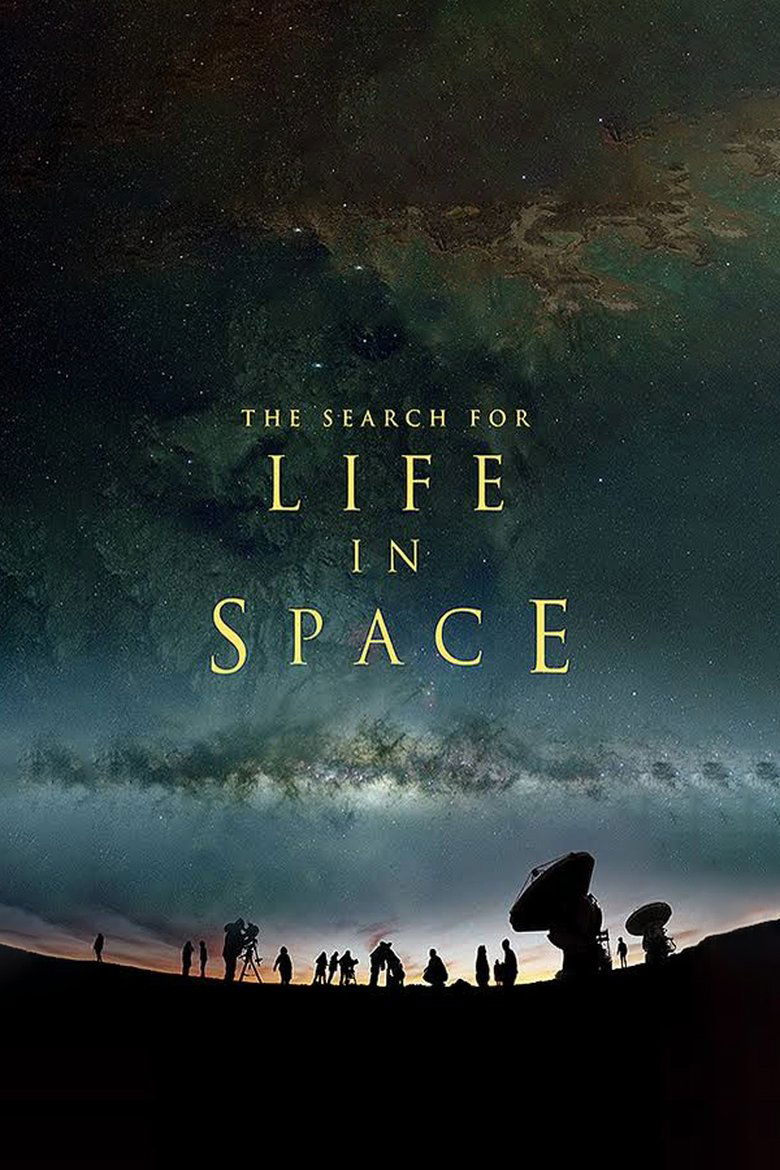
Journey from the depths of the Pacific Ocean into the far reaches of space on a quest to find something that changes everything...signs of life, somewhere else in the universe. With cutting-edge imagery from the world's most powerful telescopes, The Search for Life in Space takes audiences from the surface of Mars and the icy moons of Jupiter and Saturn, to the extreme lava fields of Hawaii and thermal vents deep beneath the sea. In these harsh environments, astrobiologists look for clues to how life takes hold. As this immersive adventure into the universe reveals the possibility of planets like ours, The Search for Life in Space will make you re-examine such fundamental questions as: "Where did we come from?", "How did we get here?" and "Are we alone?"
Overall Score
Fair
Category Breakdown
LGBTQ+ Representation
The film focuses on macro-scale biological and astronomical phenomena. There is no evidence of human interpersonal relationships or non-cisnormative gender identities within the scientific discourse.
Gender Representation
The film prioritizes scientific inquiry over social commentary. Without specific data on the gender distribution of featured scientists, the representation remains neutral regarding traditional gender roles.
Racial & Ethnic Diversity
The documentary utilizes a global perspective, ranging from the Pacific Ocean to Mars. The focus on universal biological questions tends to bypass identity-based narratives for a scientific lens.
Religious & Cultural Diversity
The narrative leans toward a secular, scientific worldview. It prioritizes empirical evidence and astrobiology over traditional religious dogma when questioning human origins.
Disability Representation
The documentary does not feature human character arcs. The focus remains strictly on extreme environments and the biological precursors to life.
Strengths
Areas for Improvement
AI Analysis
This documentary functions as an observational educational medium rather than a character-driven narrative. Because the primary subjects are celestial bodies and scientific processes, traditional metrics of interpersonal representation are largely absent. The film succeeds in promoting a secular, scientific perspective that challenges theological certainties. However, it lacks the human agency required to explore intersectional identities or social hierarchies. Ultimately, the work operates outside the frameworks of social representation, favoring cosmic inquiry over human identity politics.
2018
2021

2010

2016

2019

2016
2022

2017

2012

2017

2022

2022
No reviews yet. Be the first to share your thoughts on this movie!
Use the rating form above to leave a star rating and optional review.