
The Memory Keeper's Daughter
2008
No user ratings available yet
Diversity score: 4.0 out of 10
1989
UnratedDirector
Peter Markle
Runtime
99 minutes
Average Rating
No ratings yetSynopsis
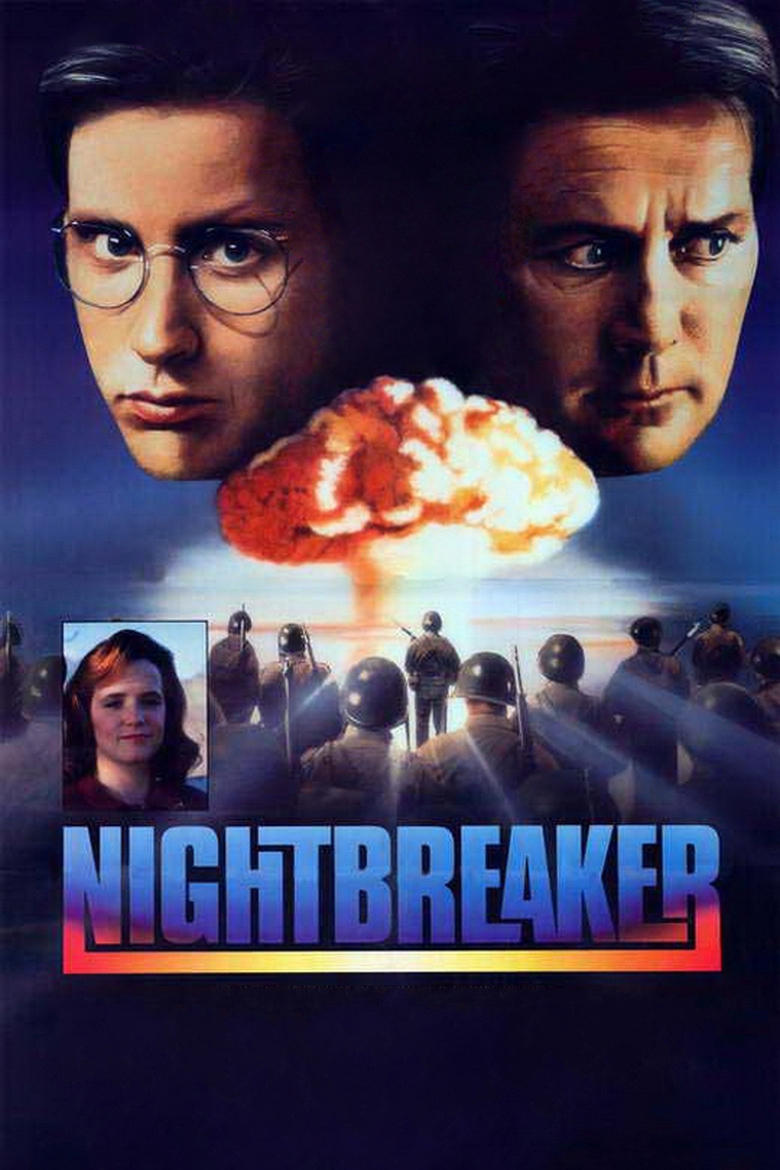
Dr. Alexander Brown arrives in Las Vegas, awarded for his recent medical invention. An ex-G.I. tells Brown he was a test subject during the 1950's, exposed to atomic bomb radiation in the Nevada desert-- will Brown help the man uncover the truth? In 1950's Nevada, Brown is a young psychiatrist and a guest of the U.S. Army, where soldiers were routinely exposed to excessive radiation. The young Brown and a colleague interview soldiers, who show their ignorance and insouciance in the face of this danger. The movie intercuts scenes between the young Alexander Brown and older Alexander Brown, some thirty years after the nuclear tests. Will the decorated psychiatrist finally speak out on the atrocity he witnessed?
Overall Score
Fair
Category Breakdown
LGBTQ+ Representation
The film lacks any indication of LGBTQ+ characters or themes. The narrative focus remains strictly on medical and psychological fallout from nuclear testing.
Gender Representation
The story centers on a male protagonist within a male-dominated 1950s military setting. There is little evidence of female characters exercising significant agency.
Racial & Ethnic Diversity
The mid-20th-century military setting suggests a potentially homogeneous cast. No evidence exists of significant non-Anglo-Saxon representation or race-bent casting.
Religious & Cultural Diversity
The film critiques Western institutional authority by framing military testing as an atrocity. It challenges the idea of government institutions as inherently protective.
Disability Representation
Characters navigate the long-term physiological consequences of radiation exposure. The plot centers on the lived experiences of those suffering from chronic health conditions.
Strengths
Areas for Improvement
AI Analysis
Nightbreaker is a period drama that prioritizes systemic critique over identity-based representation. Its strength lies in its willingness to deconstruct the sanctity of military and scientific institutions, framing them as sources of negligence rather than progress. However, the film operates within a traditional framework. The focus on a male protagonist and a 1950s military environment results in limited gender and racial diversity. The narrative lacks visible LGBTQ+ themes or intersectional depth. Ultimately, the film's social value is found in its exploration of medical ethics and institutional accountability. It uses physical trauma as a driver for moral inquiry rather than mere decoration.
2008

1992

2017

1984

1989

1993
1977

1959

1975

1984
1995

2001
No reviews yet. Be the first to share your thoughts on this movie!
Use the rating form above to leave a star rating and optional review.