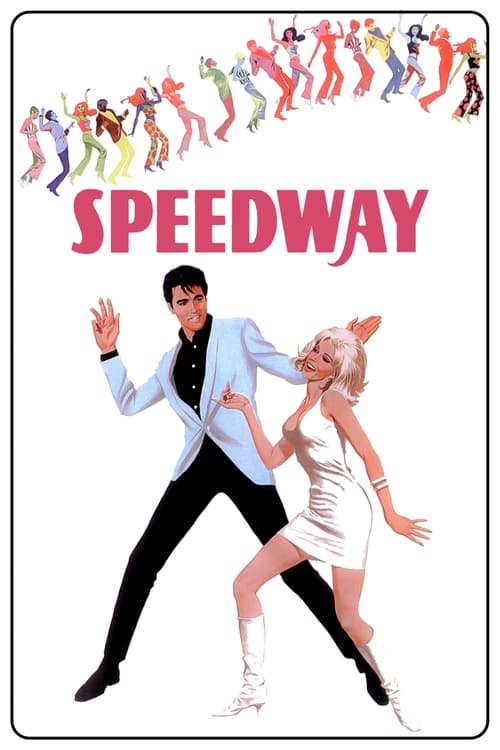
Speedway
1968
No user ratings available yet
Representation score: 0.9 out of 10
Representation Score
Minimal
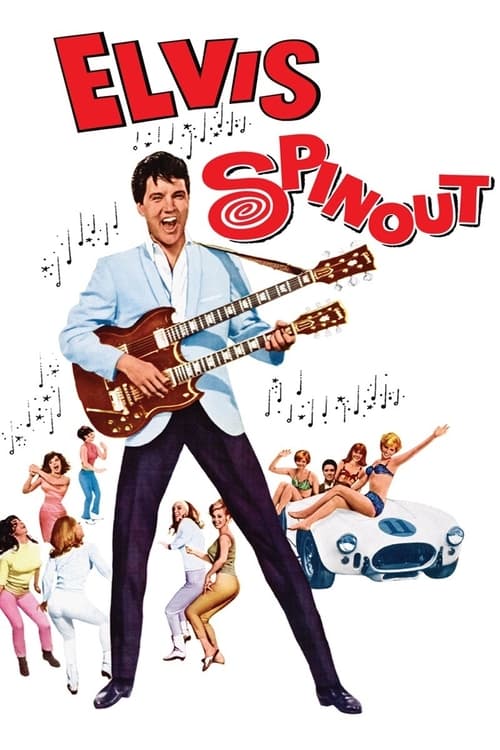
1966
NRDirector
Norman Taurog
Runtime
93 minutes
Average Rating
No ratings yetNew Showbiz Analysis
Spinout is a classic product of the mid-1960s studio system, designed to reinforce rather than challenge contemporary social norms. The film relies on traditional romantic clichés and conventional gender roles to propel its storyline. The production mirrors the era's demographic uniformity, featuring a predominantly white cast and a culturally singular setting. It operates as an escapist musical comedy that prioritizes broad appeal over social critique. Ultimately, the film upholds the period's dominant cultural structures, lacking any effort to disrupt systemic norms or represent diverse identities.
Category Breakdown
The film does not include any LGBTQ+ identities or subtext. The romantic plot revolves around traditional heterosexual relationships.
The movie upholds conventional masculine stereotypes and gender roles typical of the mid-20th century. The female lead is central but her role is closely tied to the male protagonist.
The cast is primarily white, reflecting the homogeneous demographics of 1960s cinema. Characters of color with substantial roles are notably absent.
The film highlights mid-century American pastimes and competitive capitalism. It promotes traditional Western values and supports the stability of the existing social order.
The film does not feature any characters with visible or invisible disabilities. All characters are portrayed as fully able-bodied participants in a musical performance.
Present on Screen
Limited or Absent
Official Synopsis
Band singer/race driver Mike McCoy must choose between marrying a beautiful girl and driving her father's car in a prestigious race.
1968

1964
1962
1968
1963
1965
1965
1967
No reviews yet. Be the first to share your thoughts on this movie!
Use the rating form above to leave a star rating and optional review.