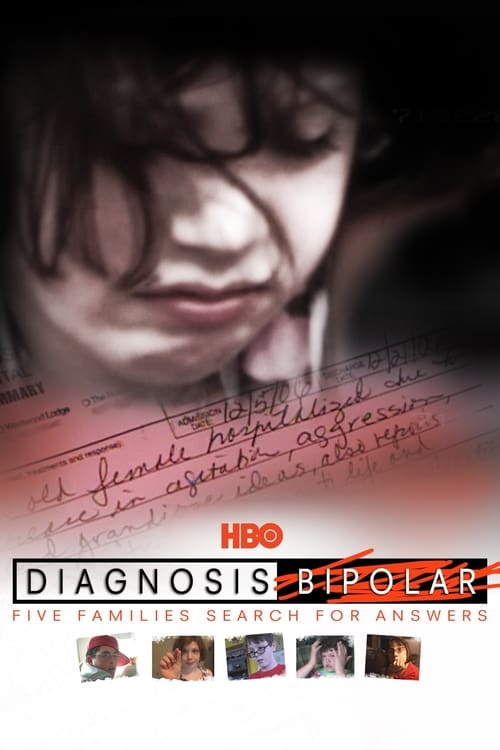
Diagnosis Bipolar: Five Families Search for Answers
2010
No user ratings available yet
Representation score: 7.9 out of 10
Representation Score
Good
1994
TV-14Director
Allie Light
Runtime
90 minutes
Average Rating
No ratings yetNew Showbiz Analysis
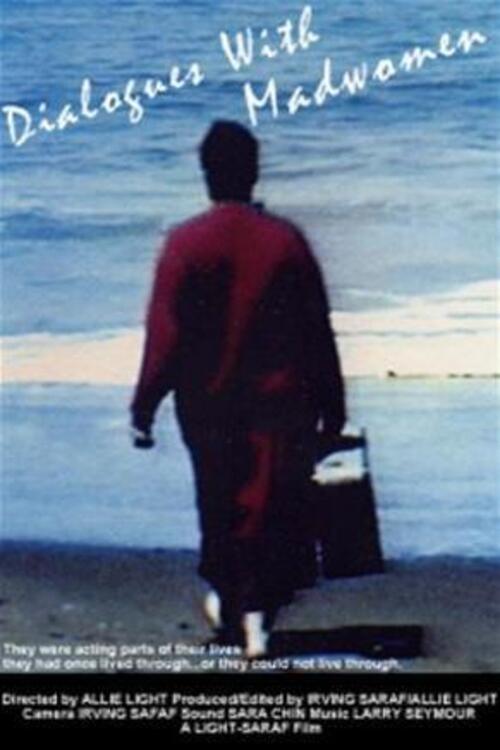
Dialogues with Madwomen serves as a platform for neurodivergent individuals, using a documentary format to bypass traditional clinical hierarchies. The film's strength lies in its focus on lived experiences and the subversion of institutional authority. However, the work's impact is limited by a lack of verifiable data regarding diverse identities. Without clear information on racial, ethnic, or LGBTQ+ representation, the film's ability to address broader social complexities remains unproven. Ultimately, the documentary succeeds in centering the voices of those with bipolar disorder, providing a vital, subjective look at mental health that challenges the patriarchal medical gaze.
Category Breakdown
The film does not provide explicit information about the sexual orientation or gender identity of its participants. Although there may be intersections with neurodivergent communities and queer identities, no specific LGBTQ+ narratives are confirmed.
By focusing on 'madwomen,' the documentary highlights the female perspective on mental health. This approach shifts the emphasis from a clinical viewpoint to the personal, internal experiences of women.
There is no information available about the racial or ethnic makeup of the documentary's subjects. Therefore, the demographic diversity of the participants cannot be determined.
The documentary challenges the authority of psychiatric establishments by centering personal testimonies. This approach deconstructs the notion that medical institutions are the sole arbiters of psychological truth.
The film provides high visibility for bipolar disorder through personal testimonies. This documentary format gives subjects a significant role in driving the story, avoiding common clichés by presenting complex realities.
Present on Screen
Limited or Absent
Official Synopsis
A documentary about bipolar disorder.
2010
1978

2017

2011
2009
2016
1996
2006
No reviews yet. Be the first to share your thoughts on this movie!
Use the rating form above to leave a star rating and optional review.