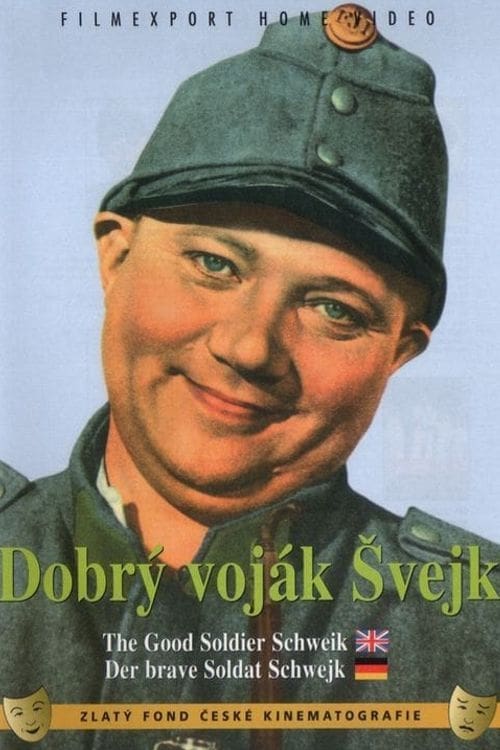
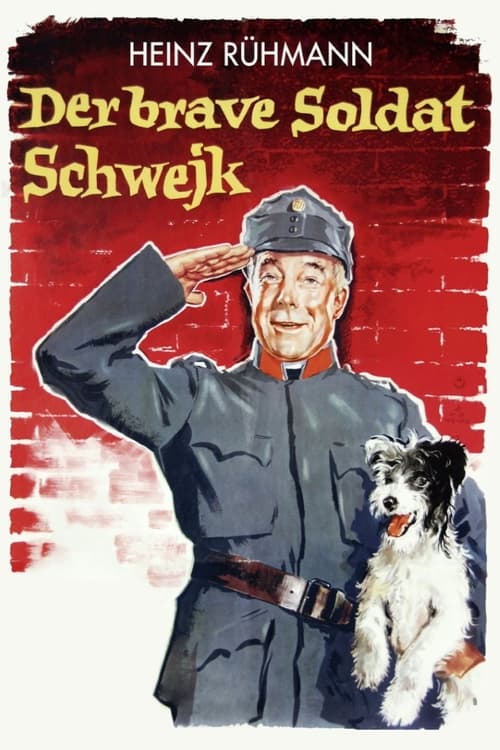
The Good Soldier Švejk
1957
No user ratings available yet
Representation score: 4.8 out of 10

Representation Score
Fair
1964
Director
Wolfgang Liebeneiner
Runtime
92 minutes
Average Rating
No ratings yetNew Showbiz Analysis
Schweik's Years of Indiscretion is a satirical deconstruction of imperial structures rather than a modern exploration of diverse identities. Its strength lies in its cultural critique, using the protagonist to expose the absurdities of the Austro-Hungarian military and state bureaucracy. However, the film's period setting limits its representation of gender and LGBTQ+ identities, focusing instead on a male-dominated military hierarchy. Ultimately, the film's value comes from its authentic depiction of ethnic diversity and its sophisticated critique of systemic corruption.
Category Breakdown
The film does not include any visible LGBTQ+ characters or identities outside of heterosexuality. It stays within the strict confines of a pre-WWI military setting, which is not inclusive of diverse sexual orientations or gender identities.
The film focuses on a male-dominated military hierarchy. Women are shown in secondary roles, reinforcing traditional gender roles where they are primarily in domestic or supportive positions.
The production accurately reflects the multi-ethnic nature of the Austro-Hungarian Empire. It includes a mix of Central European identities, such as Czech and German, highlighting the empire's internal conflicts.
The film effectively critiques Western institutions and imperial authority. It uses Švejk’s character to challenge nationalism and state-imposed morality through passive resistance.
The protagonist is portrayed as having a perceived cognitive impairment. While the film uses the 'sub-idiot' cliché, it turns this perceived disability into a tool for the protagonist's survival.
Present on Screen
Limited or Absent
Official Synopsis
Shortly before the First World War, the son of a Prague butcher is called up for military service in the Austro-Hungarian Army of Emperor Franz Joseph, proving to be a very incompetent recruit.
1957
1959

1959
1967
1971

1992
1960
1979
No reviews yet. Be the first to share your thoughts on this movie!
Use the rating form above to leave a star rating and optional review.