
Yuriko's Aroma
2010
No user ratings available yet
Representation score: 4.2 out of 10
Representation Score
Minimal
2006
Director
Kōta Yoshida
Runtime
43 minutes
Average Rating
No ratings yetNew Showbiz Analysis
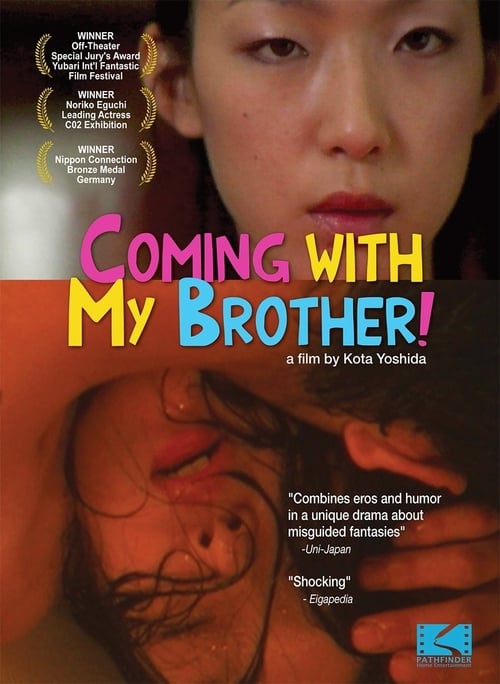
Coming with My Brother! is a localized domestic drama that operates within conventional social frameworks. The narrative focuses on interpersonal impulses and sexualized tension rather than systemic or storytelling that reflects multiple aspects of identity. The film lacks diversity in casting and thematic depth. It presents a homogeneous Japanese environment and adheres to traditional social structures without attempting to challenge traditional gender hierarchies or social norms. Ultimately, the work functions as a character-driven drama that avoids the structural complexity required for a progressive social critique.
Category Breakdown
The film focuses on a heterosexual relationship between a female protagonist and a younger male. There are no queer narratives or non-cisgender identities.
The story leans towards traditional clichés of sexual tension. While Nao exerts psychological influence, the film lacks a structural critique of traditional gender roles.
This Japanese production features an all-Japanese cast. It reflects a homogeneous social environment without multi-ethnic or color-blind casting approaches.
The drama centers on private, domestic interactions. It lacks themes intended to critique institutional power or broader societal norms.
The film provides no information regarding characters with physical, neurodivergent, or mental health disabilities.
Present on Screen
Limited or Absent
Official Synopsis
Morishita Nao (Eguchi Noriko) shares an apartment with a female friend. Her roommate's younger brother Kotaro (Nakamura Kuniaki) leaves their family home and comes to stay with them. That evening, Nao witnesses Kotaro smelling her panties. The next day Nao begins acting provocatively towards him.
2010

2004

2011

2008

2009

2000

2006

2017
No reviews yet. Be the first to share your thoughts on this movie!
Use the rating form above to leave a star rating and optional review.