Tunnel Vision
1976
No user ratings available yet
Diversity score: 3.8 out of 10
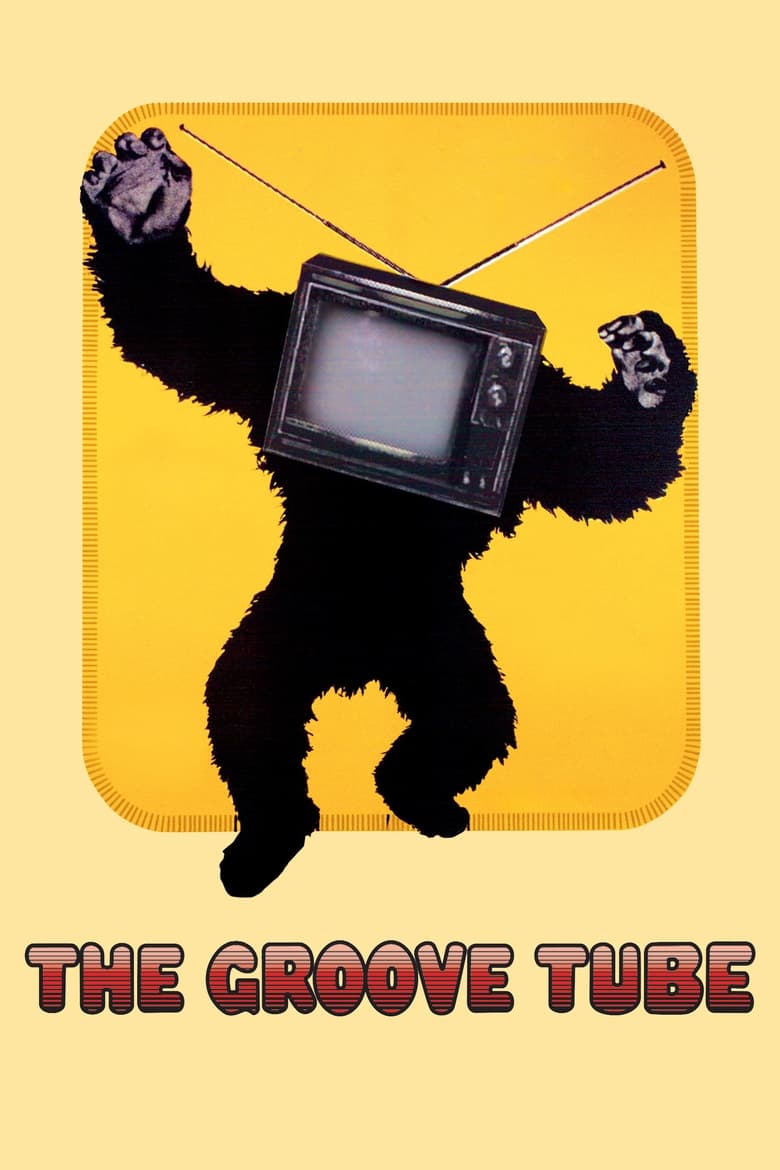
1974
RDirector
Ken Shapiro
Runtime
75 minutes
Average Rating
No ratings yetSynopsis
Television programming takes it on the chin in this ribald spoof of the networks.
Overall Score
Fair
Category Breakdown
LGBTQ+ Representation
The film lacks documented depictions of non-cisnormative identities or same-sex intimacy. While the satire may target social mores, there is no verifiable progressive representation.
Gender Representation
As a ribald spoof, the film likely uses gendered humor to critique social structures. However, it lacks evidence of high-agency female characters or subverted masculine leadership.
Racial & Ethnic Diversity
The narrative focuses on television satire rather than demographic diversity. There is no evidence of a non-white majority cast or intentional race-bent casting.
Religious & Cultural Diversity
The film earns points for deconstructing Western media institutions. By mocking television networks, it challenges the authority and perceived infallibility of corporate media structures.
Disability Representation
There is no verifiable evidence regarding the inclusion or portrayal of characters with visible or invisible disabilities.
Strengths
Areas for Improvement
AI Analysis
The Groove Tube operates as a genre-driven critique of 1970s media institutions rather than a project focused on intersectional representation. Its satirical lens targets the stability of television culture and corporate gatekeeping. While the film disrupts institutional norms through its ribald spoof style, it lacks demographic intentionality. The narrative architecture prioritizes the mockery of media power over the inclusion of diverse identities. Ultimately, the film reflects the standard casting and social perspectives of its era, offering institutional critique without significant progressive character development.
1976

1980
1968

1983

1977
1975

2012

1975
2012

1973

1976
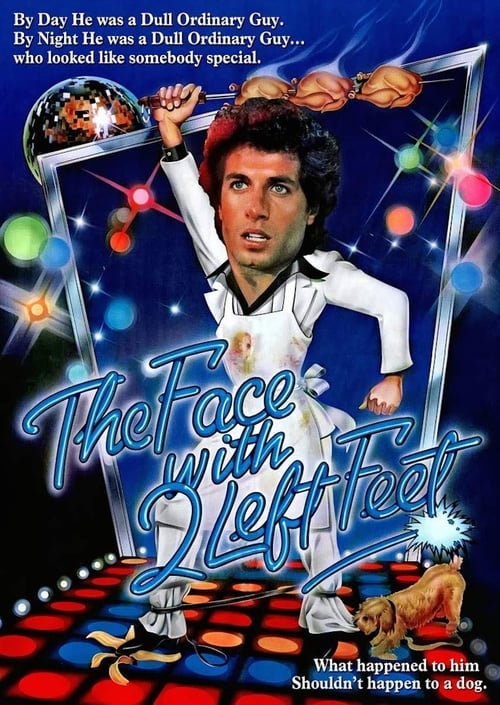
1979
No reviews yet. Be the first to share your thoughts on this movie!
Use the rating form above to leave a star rating and optional review.