
Bless the Woman
2003
No user ratings available yet
Diversity score: 2.8 out of 10

1957
Director
Aleksandr Zarkhi
Runtime
94 minutes
Average Rating
No ratings yetSynopsis
For the construction of the plant comes a team of ironworkers, they will carry out the installation of the blast furnace according to the new method. A film about the difficult characters of ordinary Soviet people who know how to work, dream, love - to build a great human happiness.
Overall Score
Minimal
Category Breakdown
LGBTQ+ Representation
The film lacks any evidence of LGBTQ+ characters or non-heteronormative narratives. It focuses on traditional romantic ideals and heteronormative structures aligned with state-sanctioned social cohesion.
Gender Representation
The story centers on industrial labor and heavy machinery, prioritizing masculine archetypes of strength. While women are part of the ironworking team, they likely occupy supporting or traditional romantic roles.
Racial & Ethnic Diversity
Representation aligns with a homogeneous Soviet identity centered on the working class. The narrative lacks evidence of a multi-ethnic cast, focusing instead on a unified, largely Slavic-centric workforce.
Religious & Cultural Diversity
The film prioritizes state-driven collectivism and secularism over individual or religious interests. Happiness is framed through industrial output and social duty rather than personal or anti-establishment values.
Disability Representation
There is no indication of characters with disabilities being portrayed with agency. The heroic worker archetype of this era typically demanded physical perfection and strength.
Strengths
Areas for Improvement
AI Analysis
Height is a traditionalist narrative that reinforces the social and industrial hierarchies of the 1950s Soviet era. It emphasizes collective duty and state-aligned morality, offering very little disruption to established cultural norms. The film's focus on industrial construction and the 'heroic worker' archetype naturally prioritizes masculine strength and a homogeneous workforce. This results in a narrow depiction of identity that serves the era's ideological goals. Ultimately, the work functions as a tool for social cohesion, celebrating the dignity of labor through a lens of conventional gender roles and a unified, state-centric identity.
2003

1956

1958

1963

1958

1980
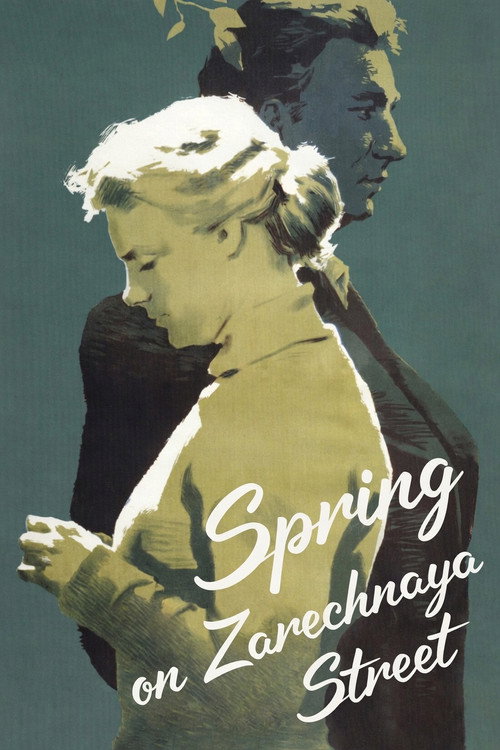
1956

1970

1974

1978
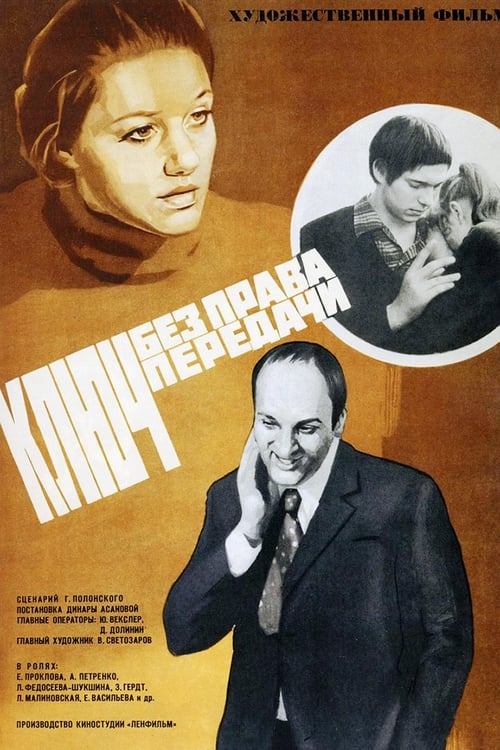
1977
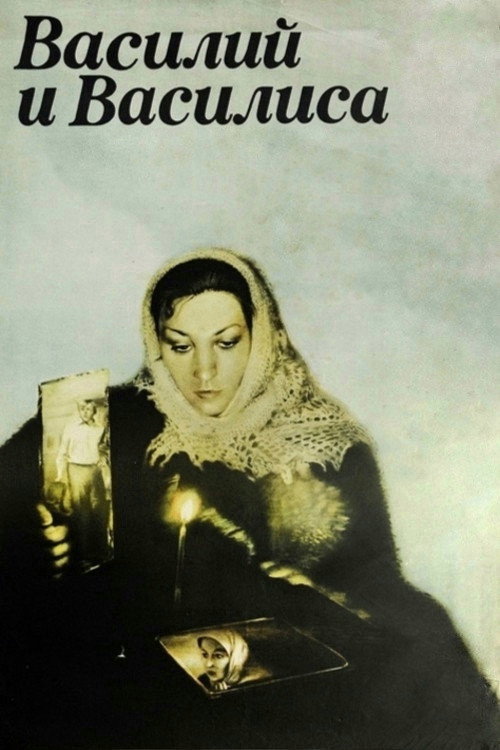
1981
No reviews yet. Be the first to share your thoughts on this movie!
Use the rating form above to leave a star rating and optional review.