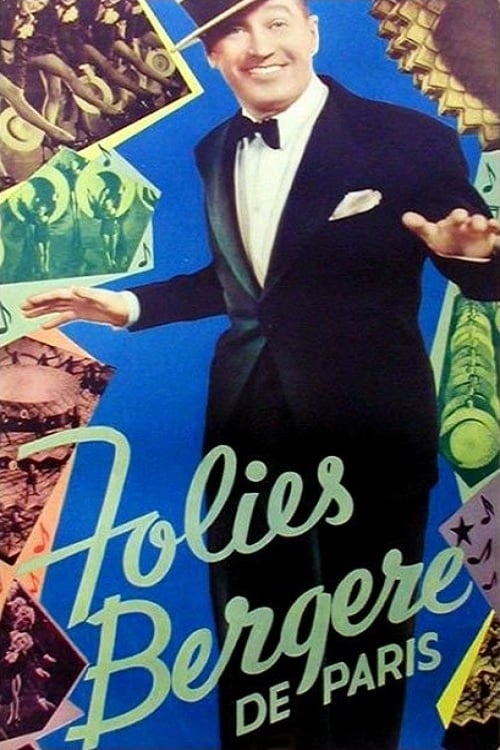
Folies Bergère de Paris
1935
No user ratings available yet
Representation score: 1.4 out of 10
Representation Score
Limited
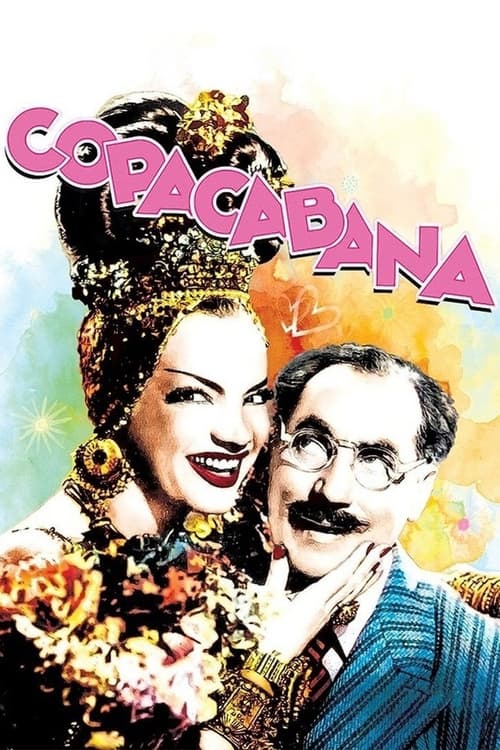
1947
NRDirector
Alfred E. Green
Runtime
92 minutes
Average Rating
No ratings yetNew Showbiz Analysis
Copacabana is a quintessential product of the Golden Age of Hollywood, designed for mass appeal through established comedic clichés. The narrative structure reinforces mid-century social hierarchies rather than challenging them. The film lacks complexity in representing diverse identities, focusing instead on a centralized, traditional comedic structure. Character roles are often tied to deception and situational irony within a conventional social framework. Ultimately, the production reflects the era's systemic constraints, prioritizing mainstream entertainment values over the representation of underrepresented identities or the subversion of established cultural norms.
Category Breakdown
The film follows the conventions of the Hays Code era, focusing on conventional romantic rivalries and comedic deception without addressing non-traditional gender identities.
The plot relies on traditional gender stereotypes, where the female lead's role is defined by the male gaze and various personas, emphasizing a transactional view of her ability to act.
The film reflects the demographic norms of 1940s Hollywood, lacking significant roles for non-white characters despite its nightclub setting.
This is an escapist comedy that celebrates the spectacle of the nightclub, functioning within conventional social morality without critiquing Western institutions or capitalism.
There is no evidence of characters with visible or invisible disabilities. The narrative focuses entirely on the physical comedy and musical talents of the main cast.
Present on Screen
Limited or Absent
Official Synopsis
A talent agent sells his girlfriend to a nightclub – as two separate acts. The deception and constant costume changes are too much for his girl, and the men who have fallen for the different performers.
1935
1929

1937
1954
1947
1956
1944
1933
No reviews yet. Be the first to share your thoughts on this movie!
Use the rating form above to leave a star rating and optional review.