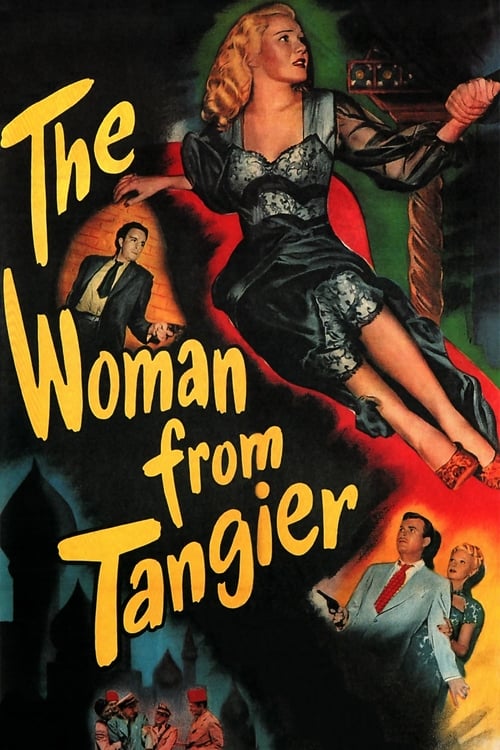
The Woman from Tangier
1948
No user ratings available yet
Diversity score: 2.3 out of 10
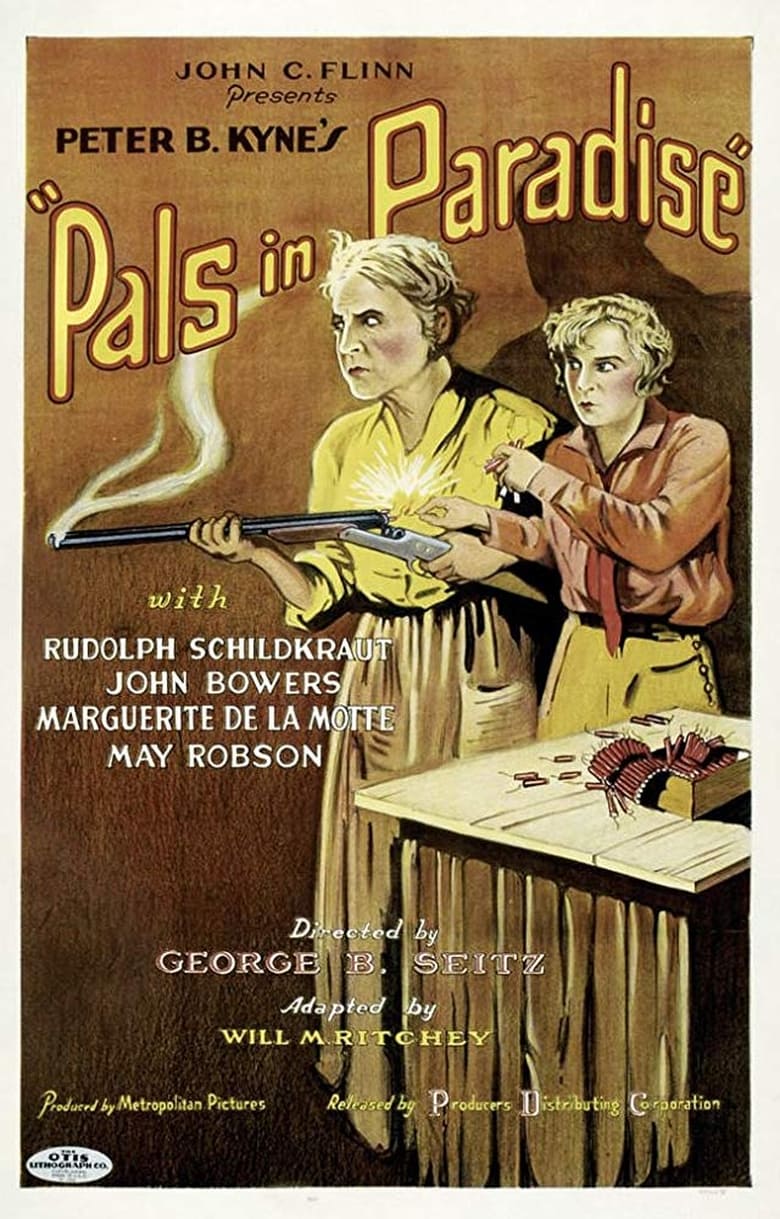
1926
PassedDirector
George B. Seitz
Runtime
70 minutes
Average Rating
No ratings yetSynopsis
Bill Harvey discovers a lost mine, rich with gold. Geraldine "Jerry" Howard has the claim to it left her by her father. Bill tells her that the death of the claimant, her father, makes a claim void. Infuriated, she goes to John Kenton, a crooked lawyer, for aid. Kenton sees an opportunity for wealth if he marries Geraldine, but Bill tells her that Kenton is only after her money. She gets more infuriated. While Bill and a posse are raiding an immoral cabaret, Kenton raids the Paradise freight depot to steal the money. The depot catches fire and Kenton shoots his henchman to save himself. The town and Geraldine think Kenton is a hero. It is up to Bill to prove otherwise.
Overall Score
Limited
Category Breakdown
LGBTQ+ Representation
The film lacks any depiction of non-heteronormative identities or same-sex intimacy. The plot centers on traditional romantic and legal conflicts.
Gender Representation
Geraldine Howard serves as an active protagonist who seeks legal aid to protect her inheritance. However, her role is largely defined by her wealth and her status as a target for male opportunism.
Racial & Ethnic Diversity
The setting suggests a homogeneous cast typical of 1920s adventure films. There is no mention of non-white characters or diverse casting.
Religious & Cultural Diversity
The story follows a classic hero versus villain dichotomy within a traditional Western moral framework. It reinforces standard notions of property rights and legal legitimacy.
Disability Representation
There is no information available regarding the depiction of characters with physical or neurodivergent disabilities.
Strengths
Areas for Improvement
AI Analysis
Pals in Paradise is a conventional silent-era adventure that adheres strictly to the genre tropes of 1926. The narrative focuses on individual morality and the protection of private property rather than social subversion. While the female lead possesses agency, she remains tethered to patriarchal structures of inheritance. The film lacks intersectional depth, offering a standard demographic focus typical of early American cinema. Ultimately, the work functions as a period-typical drama that reinforces existing social hierarchies rather than challenging them.
1948
1932

1928
1935
No reviews yet. Be the first to share your thoughts on this movie!
Use the rating form above to leave a star rating and optional review.