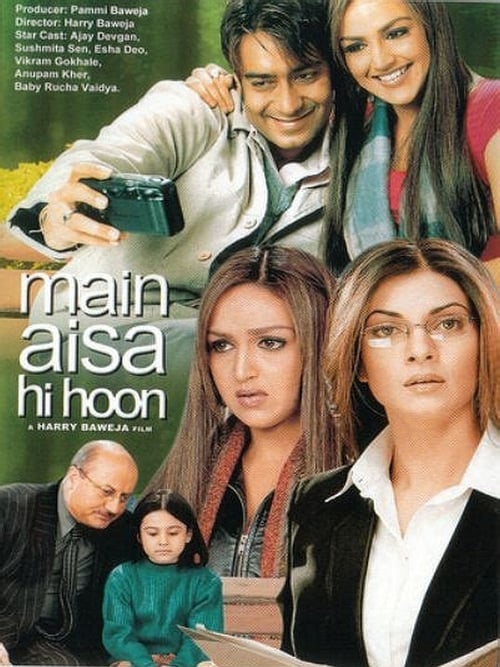
Main Aisa Hi Hoon
2005
No user ratings available yet
Representation score: 3.0 out of 10
Representation Score
Good
1990
Not RatedDirector
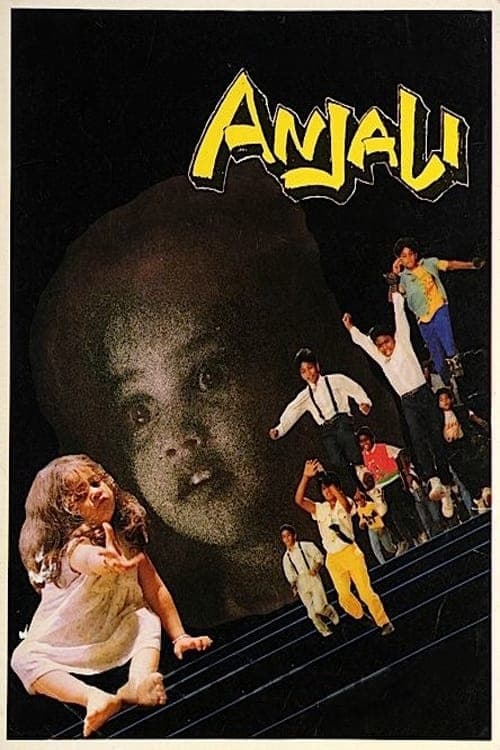
Mani Ratnam
Runtime
150 minutes
Average Rating
No ratings yetNew Showbiz Analysis
Anjali is a character-driven domestic drama that finds strength in its cultural authenticity and regional specificity. By centering the story on emotional intelligence and communal support, it moves away from traditional patriarchal clichés. However, the film operates within a relatively homogeneous framework. It lacks engagement with identity politics or the subversion of systemic power structures, remaining largely within a traditionalist view of the family unit. While the portrayal of disability is sensitive and avoids mockery, it leans toward sentimentalism rather than a radical reclamation of ability to act for the characters involved.
Category Breakdown
The film does not include any LGBTQ+ characters or narratives. Relationships and interactions are centered around traditional family and caregiver roles without challenging assumptions about straight relationships.
The narrative challenges traditional gender roles by emphasizing emotional labor and caregiving over patriarchal dominance. Characters' actions are driven by emotional intelligence rather than rigid masculine leadership.
A primarily South Indian cast provides authentic regional representation. The film avoids whitewashing, grounding its story in a localized, non-Anglo-centric perspective.
The story emphasizes the importance of the domestic sphere and traditional family units. It focuses on personal emotional experiences rather than religious doctrine or critiques of Western institutions.
The film explores the complexities of caregiving and mental health challenges. It avoids mockery, focusing instead on the emotional impact of living with different needs.
Present on Screen
Limited or Absent
Official Synopsis
After a few years, Chitra learns that her child, who was believed to be dead, is alive but is suffering from a mental illness. However, her family faces many challenges while looking after her child.
2005
2003
1992

1999
2011

2019

2005
1983
No reviews yet. Be the first to share your thoughts on this movie!
Use the rating form above to leave a star rating and optional review.