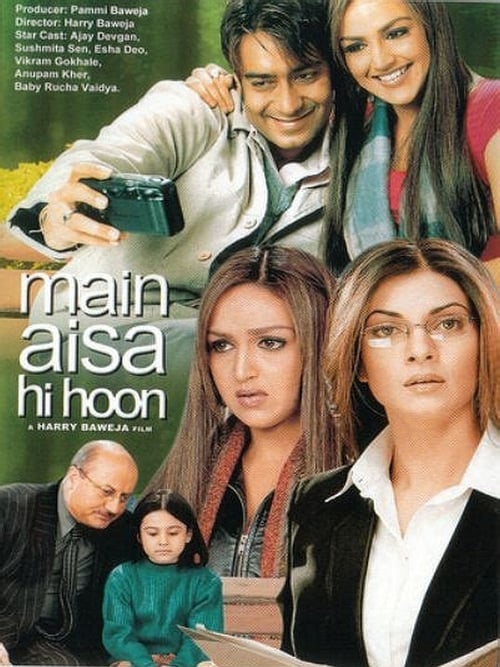
Main Aisa Hi Hoon
2005
No user ratings available yet
Representation score: 3.0 out of 10

Representation Score
Fair
2011
Not RatedDirector
A. L. Vijay
Runtime
162 minutes
Average Rating
No ratings yetNew Showbiz Analysis
Deiva Thirumagal is a character-driven film that highlights neurodivergent representation within a mainstream context. By focusing on a character with a disability, the film challenges the notion that intellectual capacity alone determines social value. However, the film remains rooted in traditional social structures. It relies on conventional gender roles and emphasizes the preservation of the standard family unit rather than exploring more subversive or layered themes. Overall, while the film may not delve deeply into complex identity politics, its targeted approach to disability offers a meaningful shift from typical heroic narratives.
Category Breakdown
The film does not include any LGBTQ+ characters or explore non-straight relationships. The main romantic storyline follows traditional heterosexual and cisgender norms.
Gender roles adhere to traditional hierarchies, with the female lead serving primarily as an emotional support. Although these women exhibit emotional intelligence, they do not have the narrative power to drive the central conflict.
The film offers a genuine portrayal of a middle-class South Indian community. It avoids casting actors from Western backgrounds, providing a realistic depiction that reflects the local demographics.
The narrative upholds traditional moral values and the sanctity of the family unit. It emphasizes social stability and conventional caretaking roles without challenging social institutions.
The film stands out by featuring a man with a developmental disability as a proactive protagonist. His legal fight for custody questions the conventional definition of competence and parental fitness.
Present on Screen
Limited or Absent
Official Synopsis
An intellectually disabled man fights for custody of his 7-year-old daughter, and in the process teaches his opponent lawyer the value of love and family.
2005

2019

2009

2005

2021

2011

2020

2016
No reviews yet. Be the first to share your thoughts on this movie!
Use the rating form above to leave a star rating and optional review.