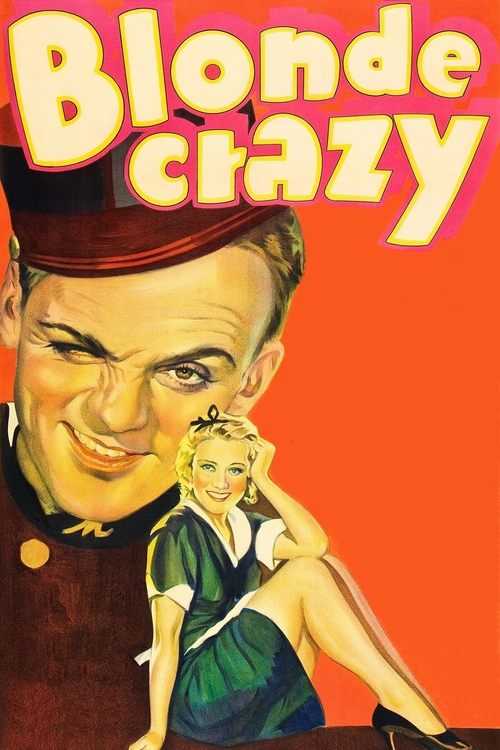
Blonde Crazy
1931
No user ratings available yet
Representation score: 2.5 out of 10

Representation Score
Minimal
1933
NRDirector
Roy Del Ruth
Runtime
76 minutes
Average Rating
No ratings yetNew Showbiz Analysis
The Little Giant is a typical genre piece that aligns with the social and demographic norms of 1933 Hollywood. It relies on well-known clichés like the 'lovable rogue' and the 'damsel in distress' to propel its crime-comedy plot. The film upholds traditional hierarchies without challenging them. The male lead's actions are driven by his masculine role, while female characters are defined by their economic status or relationship to the male lead. Overall, the production lacks complexity in representing multiple aspects of identity. It serves as appropriate entertainment for its time, reflecting a homogeneous view of society focused on individual criminality.
Category Breakdown
The film does not include any characters with LGBTQ+ identities or queer narratives. The story revolves around traditional romantic relationships between the male and female leads.
Gender roles in the film follow traditional patterns seen in early 1930s cinema. The male lead acts as the primary driver of change and rescue, while the female lead starts in a position of economic dependence.
The movie reflects the demographic uniformity of 1930s cinema. There is no indication of racial blending or non-white actors in the California or Chicago settings.
The storyline explores themes of bootlegging and financial fraud through a crime-comedy lens. It focuses on individual greed rather than a broader critique of social or religious institutions.
There is no depiction of physical or neurodivergent disabilities in the film's narrative.
Present on Screen
Limited or Absent
Official Synopsis
Prohibition is ending so bootlegger Bugs Ahearn decides to crack California society. He leases a house from down-on-her-luck Ruth and hires her as social secretary. He rescues Polly Cass from a horsefall and goes home to meet her dad who sells him some phony stock certificates. When he learns about this he sends to Chicago for mob help.
1931
1939

1941
1933
1940
1939
1934
1921
No reviews yet. Be the first to share your thoughts on this movie!
Use the rating form above to leave a star rating and optional review.