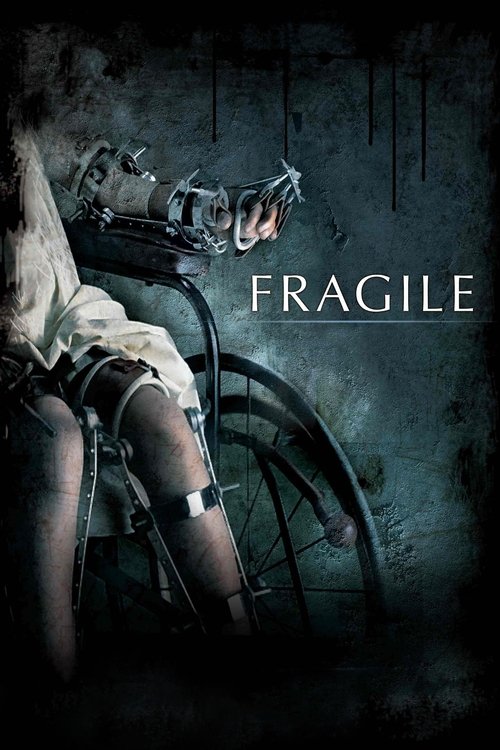
Fragile
2005
No user ratings available yet
Representation score: 4.4 out of 10
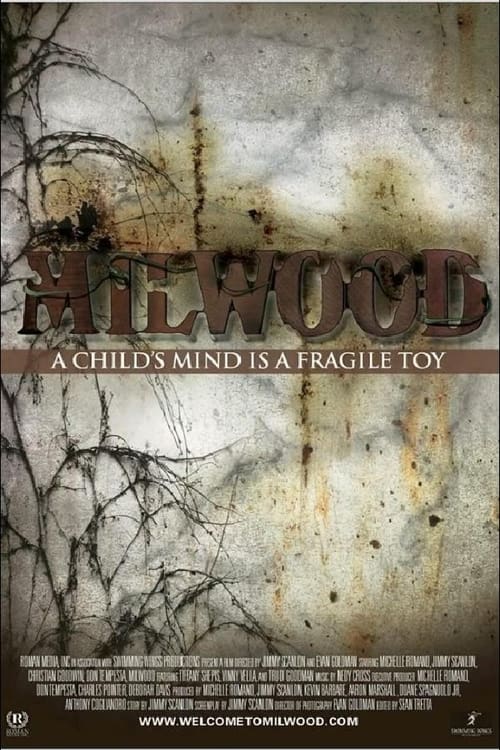
Representation Score
Minimal
2013
RDirector
Jimmy Scanlon, Evan Goldman
Runtime
90 minutes
Average Rating
No ratings yetNew Showbiz Analysis
The Orphanage functions as a conventional genre piece that prioritizes thriller clichés over diverse representation. The narrative structure focuses on a single male protagonist, leaving little room for varied perspectives or challenging social hierarchies. Representation across underrepresented identities is largely absent. The film lacks LGBTQ+ characters, racial and ethnic diversity, and disability-focused narratives, resulting in a homogeneous and traditional demographic presentation. While the institutional setting offers potential for systemic critique, the film does not explore broader cultural or anti-capitalist themes.
Category Breakdown
The film does not include any LGBTQ+ characters or narratives focused on non-assuming gender matches what was assigned at birth identities. It follows a traditional horror storyline centered around a single protagonist.
The male lead, Nathan Perry, takes a central role in navigating a high-stress situation. Although female characters are present, the film does not challenge traditional gender roles.
The production presents a conventional, homogeneous demographic with a predominantly white and Anglo-Saxon cast.
The story explores themes of institutionalization and terror using standard genre clichés. It does not explicitly engage with anti-Western or secularist frameworks.
There is no evidence that characters with disabilities are given significant roles. The film does not address sensory or cognitive diversity.
Present on Screen
Limited or Absent
Official Synopsis
After a fatal accident occurs, Nathan Perry is assigned to the Milwood facility for young adults. During his time at Milwood, Nathan becomes a victim of unforeseen terror and unusual behavior.
2005

2015
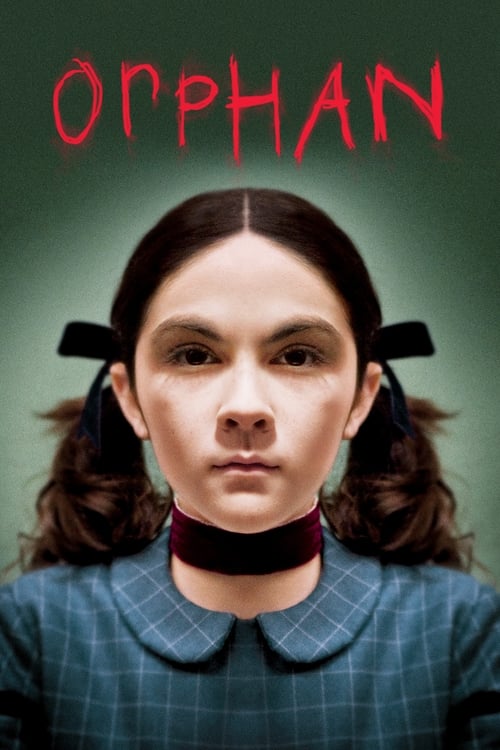
2009
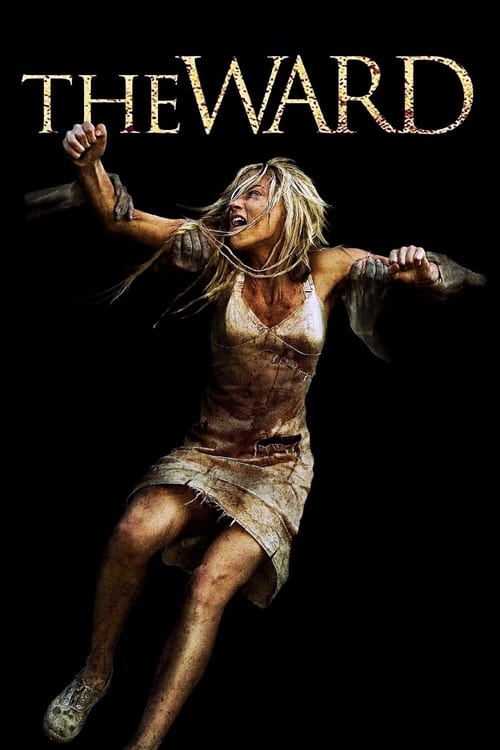
2010

2008
2001
2007
2019
No reviews yet. Be the first to share your thoughts on this movie!
Use the rating form above to leave a star rating and optional review.