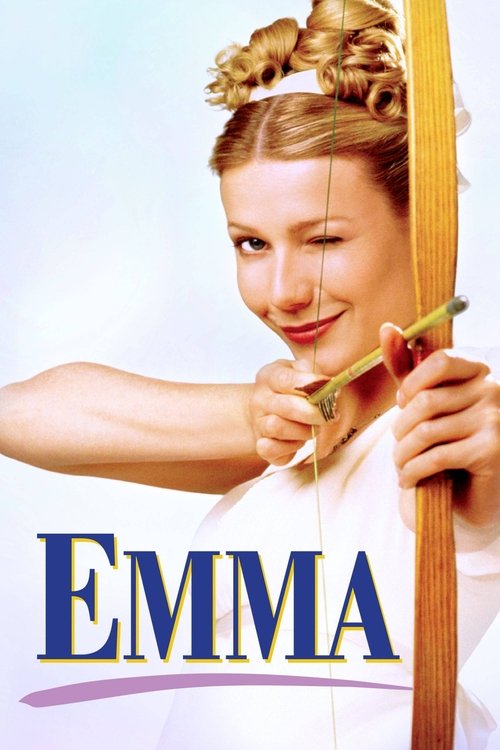
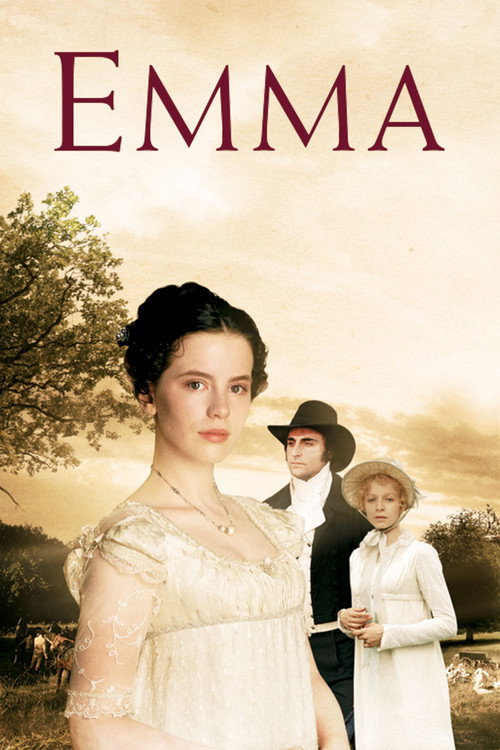
Emma
1996
No user ratings available yet
Representation score: 1.2 out of 10
Representation Score
Limited
1996
TV-GDirector
Diarmuid Lawrence
Runtime
107 minutes
Average Rating
No ratings yetNew Showbiz Analysis
Emma (1996) is a period drama that closely follows the social hierarchies and romantic conventions of its time. While it presents a more active female protagonist compared to traditional narratives, it remains firmly within a heterosexual and culturally homogeneous framework. The production lacks complexity in addressing diverse identities and social issues, focusing instead on preserving established social norms and courtship rituals.
Category Breakdown
The story centers on traditional heterosexual relationships without any representation of LGBTQ+ identities or critiques of conventional dating.
Emma Woodhouse is a strong female lead with significant influence and intellectual independence. However, the central romance revolves around a traditional male-female relationship.
The film features an ensemble that seems homogeneous, reflecting the predominantly white casts typical of Regency-era period dramas. There is no indication of a racially diverse cast.
The narrative emphasizes Western social norms, focusing on class, etiquette, and community standards. It does not explore secularist or anti-Western themes.
There is no mention of characters dealing with physical disabilities, neurodivergent conditions, or mental health issues.
Present on Screen
Limited or Absent
Official Synopsis
Emma Woodhouse is a congenial young lady who delights in meddling in other people’s affairs. She is perpetually trying to unite men and women who are utterly wrong for each other. Despite her interest in romance, Emma is clueless about her own feelings, and her relationship with gentle Mr. Knightley.
1996
1940
2020

2006
2016
1939
1993

1999
No reviews yet. Be the first to share your thoughts on this movie!
Use the rating form above to leave a star rating and optional review.