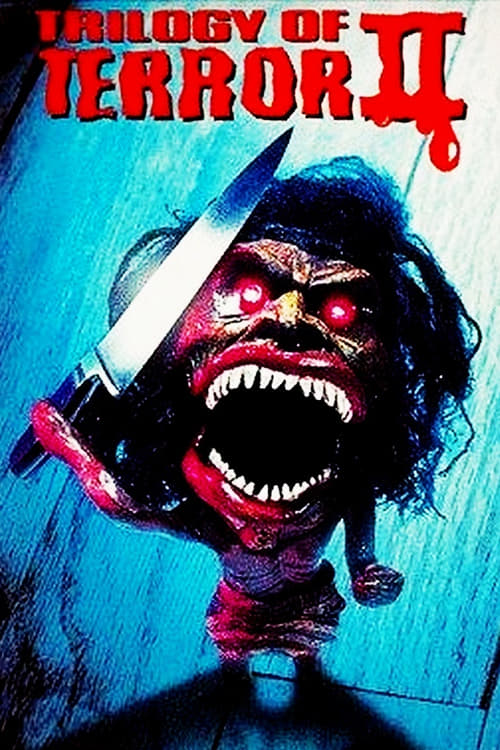
Trilogy of Terror II
1996
No user ratings available yet
Representation score: 3.4 out of 10
Representation Score
Limited
1977
Director
Dan Curtis
Runtime
76 minutes
Average Rating
No ratings yetNew Showbiz Analysis
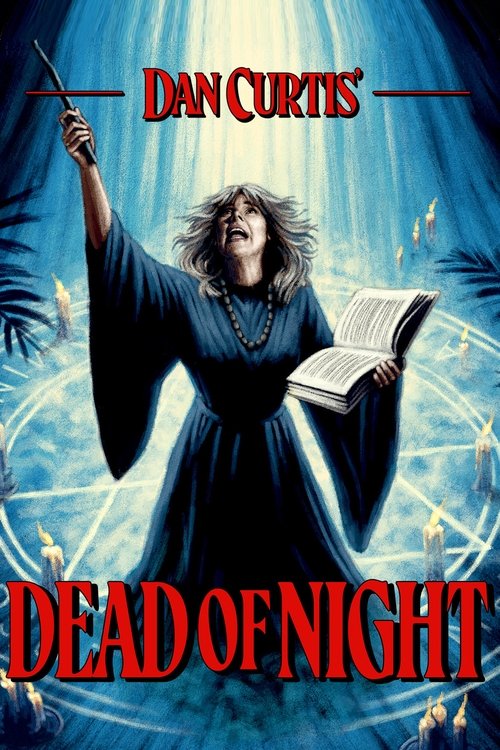
Dead of Night is a typical 1970s genre film that emphasizes atmospheric tension and psychological instability over social commentary. It adheres to the structural norms of its era, focusing on individual supernatural experiences rather than identity-focused narratives. The production mirrors the demographic standards of late-70s American television. It lacks diverse representation, presenting a largely homogeneous cast and upholding established social hierarchies. While the film addresses mental health through its psychiatric setting, it primarily uses neurodivergence as a horror device. The work serves as a traditional period piece rather than a vehicle for challenging social or cultural norms.
Category Breakdown
There are no visible LGBTQ+ characters or non-straight identities in the film. The story focuses on traditional interpersonal relationships within a psychiatric and supernatural context.
Gender roles reflect those of the 1970s, with women mostly in subordinate positions. The film does not challenge traditional gender roles or give female characters more ability to act or intelligence.
The cast is fairly uniform, reflecting the television standards of the time. There are no non-white characters driving the main plot.
The film follows a typical Western approach to supernatural themes. It treats these elements as personal experiences rather than tools for critiquing societal or religious structures.
Mental health and neurodivergence are key to the psychiatric setting. However, characters with these conditions often serve as traditional horror clichés to create suspense.
Present on Screen
Limited or Absent
Official Synopsis
This anthology tells three stories: a man buys a car that takes him back and forth through time; a tale of vampires; and a distraught mother asks for her drowned son to come back to life and gets more than she bargained for.
1996
1975

1983
1965

1986

1963
1994
1987
No reviews yet. Be the first to share your thoughts on this movie!
Use the rating form above to leave a star rating and optional review.