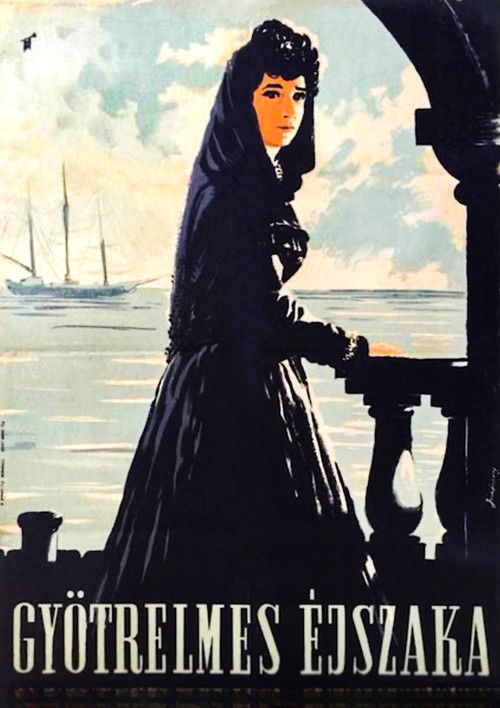
Perfidy
1953
No user ratings available yet
Diversity score: 4.1 out of 10
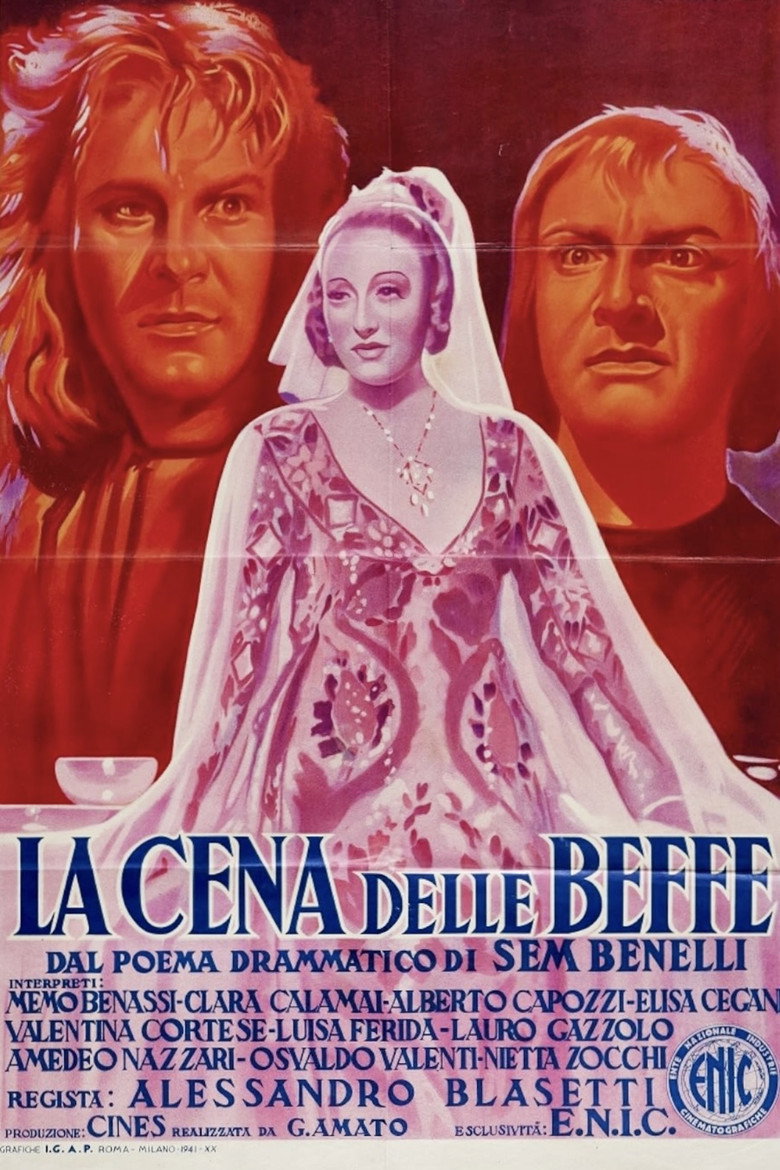
1942
Director
Alessandro Blasetti
Runtime
87 minutes
Average Rating
No ratings yetSynopsis
In Florence, at the time of Lorenzo de Medici, known also as Lorenzo the Magnificent, the aristocrat brothers Chiaramantesi rule with an iron fist the streets of the city. Ruthless and fierce, the two brothers have chosen as their special victim the innocent and harmless Giannetto. Even though determined to not react to the cruel pranks of the brothers, Giannetto is forced to take a stand when Ginevra, a beautiful girl that works in the Chiaramantesi household, is dragged into the game. To defend his honor and protect the girl, Giannetto works out a fiendish plot that will end in blood and madness.
Overall Score
Limited
Category Breakdown
LGBTQ+ Representation
The film lacks any evidence of non-cisnormative identities or same-sex intimacy. The romantic tension remains strictly between Giannetto and Ginevra, following traditional heteronormative structures.
Gender Representation
Ginevra acts as a catalyst for the protagonist's agency, subtly subverting traditional hierarchies. However, the plot is driven by masculine archetypes of honor and retribution.
Racial & Ethnic Diversity
Set in Renaissance Florence, the social landscape appears homogeneous. The depiction reflects a traditional, era-appropriate portrayal of Italian aristocracy and peasantry without visible ethnic blending.
Religious & Cultural Diversity
The narrative challenges the idea of a benevolent aristocracy by portraying the ruling class as ruthless oppressors. It explores systemic corruption and moral relativism through Giannetto's subversion.
Disability Representation
There is no mention of characters navigating physical, sensory, or neurodivergent conditions.
Strengths
Areas for Improvement
AI Analysis
The film is a period drama centered on the friction between systemic oppression and individual agency. It utilizes a classic 'victim-to-avenger' arc to explore the power dynamics of Medici-era Florence. While the film lacks modern intersectional markers, it succeeds in disrupting the expectation of a harmonious historical setting. By framing the ruling class as a source of instability, it provides a nuanced look at class conflict. Ultimately, the work remains rooted in traditional dramatic tropes, focusing on personal honor and the struggle of a marginalized individual against entrenched aristocratic power.
1953
1974

1973
1966
1991
No reviews yet. Be the first to share your thoughts on this movie!
Use the rating form above to leave a star rating and optional review.