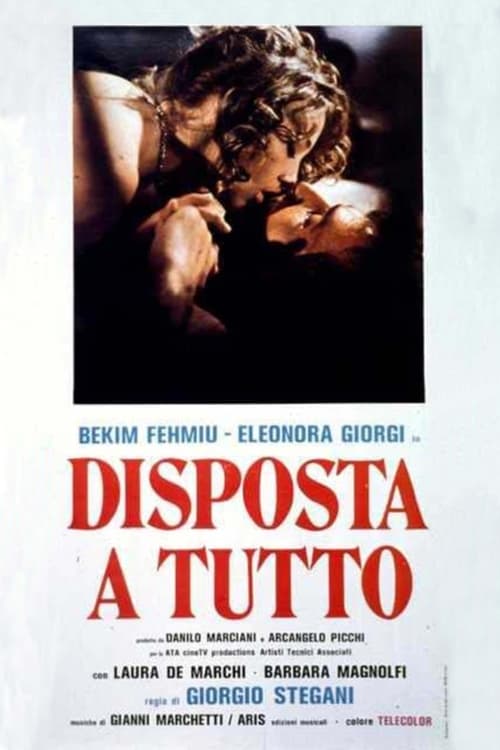
Ready for Anything
1977
No user ratings available yet
Representation score: 1.6 out of 10
Representation Score
Good
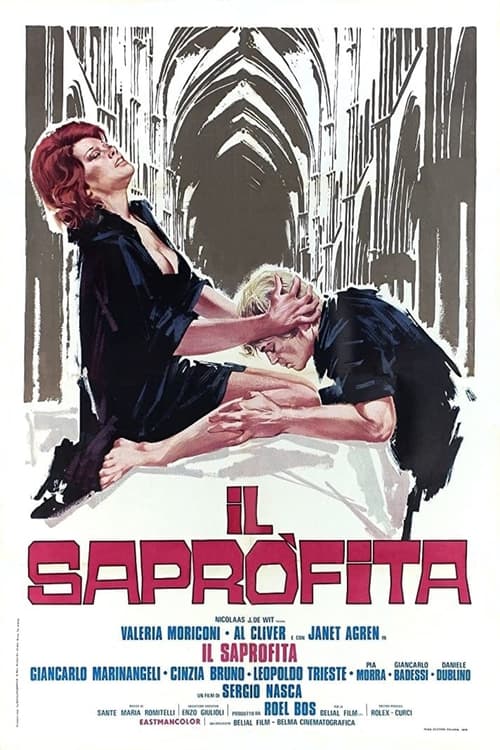
1974
Director
Sergio Nasca
Runtime
100 minutes
Average Rating
No ratings yetNew Showbiz Analysis
Sergio Nasca’s film is a cynical deconstruction of the Italian landed gentry. It replaces traditional morality with a transactional view of human relationships, where power and sex dictate survival. The work effectively critiques religious and family institutions, presenting them as corruptible entities. It uses the character of a mute seminarian to challenge the sanctity of religious life. However, the film remains limited by its lack of racial and LGBTQ+ breadth. It operates primarily within a homogenous ethnic and straight-centered framework typical of 1970s regional cinema.
Category Breakdown
The film examines social transgressions through an illicit affair. However, it focuses on challenging class and religious norms rather than depicting specific LGBTQ+ identities.
Baroness Clotilde serves as a central figure who drives the story within a patriarchal structure. The narrative challenges traditional leadership by showing male landowners as morally bankrupt.
The cast appears ethnically homogeneous within its Mediterranean setting. There is no evidence of racial blending or diverse casting in this regional context.
The film critiques traditional Western institutions like the church and family. It portrays these structures as sites of corruption and systemic opportunism.
Parsifal’s paraplegia is central to the plot's power dynamics. While his condition drives character actions, he remains an active participant in the household's social ecosystem.
Present on Screen
Limited or Absent
Official Synopsis
In the city of Ostuni in Puglia, the mute seminarian Ercole is designated to be the driver and nurse of Parsifal, the paraplegic son in a rich and sanctimonious family of landowners. Ercole soon becomes the lover of his master's wife, the beautiful Baroness Clotilde. In a familial and social context where only money, sex and power count, everyone tries to take advantage of everyone, but the real saprophyte turns out to be Ercole.
1977
1976

1969
1943
1970

1974

1982
1969
No reviews yet. Be the first to share your thoughts on this movie!
Use the rating form above to leave a star rating and optional review.