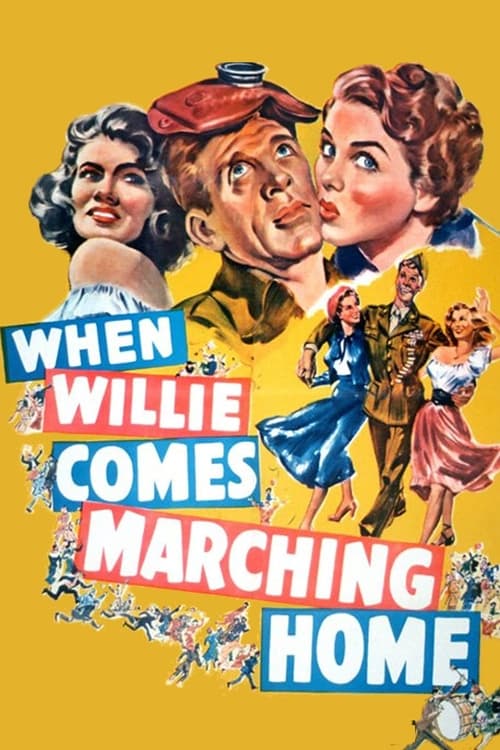
When Willie Comes Marching Home
1950
No user ratings available yet
Diversity score: 2.2 out of 10
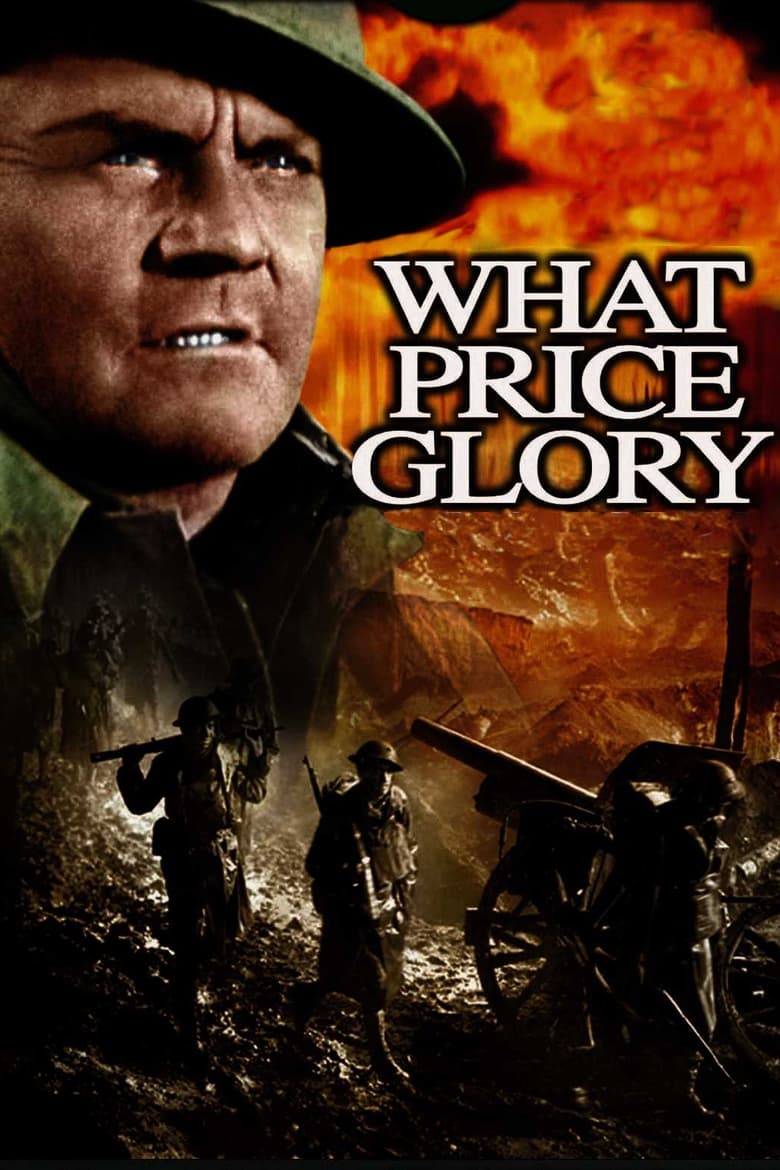
1952
NRDirector
John Ford
Runtime
110 minutes
Average Rating
No ratings yetSynopsis
Two military men, Captain Flagg and Sergeant Quirt, who are rivals to begin with, grow more at odds with each other when Quirt is made Flagg's top sergeant. And when a local beauty comes between them, their rivalry escalates even further. But when they discover that the woman has marriage in mind, they now compete to try to avoid marching down the aisle - that is, until they are called upon to march into battle.
Overall Score
Limited
Category Breakdown
LGBTQ+ Representation
The narrative architecture is strictly heteronormative. The central conflict revolves around a romantic rivalry between two men over a female protagonist, reinforcing traditional courtship dynamics.
Gender Representation
The film operates within mid-century gender hierarchies. While the female lead possesses wit and agency, the power dynamics remain centered on the male protagonists and military authority.
Racial & Ethnic Diversity
Casting and narrative focus are overwhelmingly homogeneous. The cast is predominantly white, with no significant presence of characters of color in prominent or high-agency roles.
Religious & Cultural Diversity
The film presents a traditionalist view of Western institutions. It prioritizes human elements of conflict and social cohesion over systemic critiques of the military or Western sentiment.
Disability Representation
There are no prominent depictions of visible or invisible disabilities. Characters are primarily defined by their physical utility within a combat environment.
Strengths
Areas for Improvement
AI Analysis
What Price Glory functions as a traditional war drama that reinforces mid-century social and institutional norms. The story focuses on the interpersonal rivalries and camaraderie of a homogeneous military group, prioritizing established hierarchies of gender and race. While the film explores the psychological toll of war through its protagonists, it lacks the intentionality required to disrupt conventional social expectations. It serves as a baseline for traditional Western storytelling, emphasizing stability and established social roles.
No reviews yet. Be the first to share your thoughts on this movie!
Use the rating form above to leave a star rating and optional review.