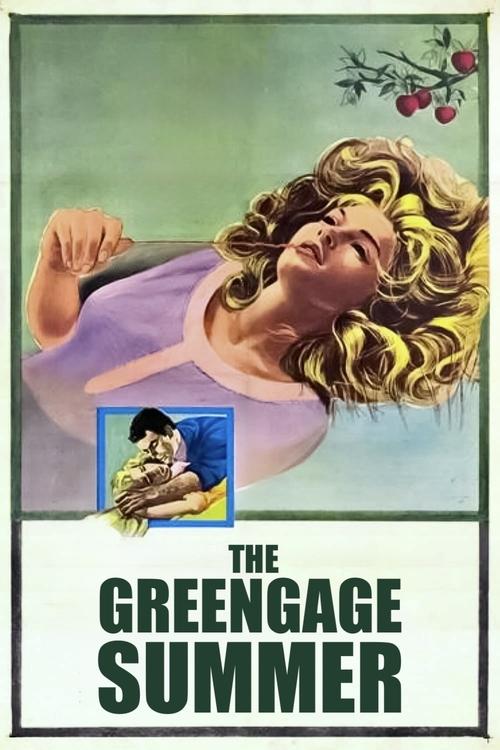
The Greengage Summer
1961
No user ratings available yet
Representation score: 1.2 out of 10

Representation Score
Limited
1970
RDirector
Jonathan Miller
Runtime
101 minutes
Average Rating
No ratings yetNew Showbiz Analysis
Jonathan Miller’s social realist approach allows the film to serve as a nuanced examination of class friction and social hierarchies. Instead of relying on broad demographic representation, the film delves into the emotional complexities and systemic pressures experienced by its female protagonist. While the film excels in critiquing class-based structures and providing the female protagonist who play a significant role in driving the story, it remains confined by the social homogeneity of its time. The absence of racial, LGBTQ+, and disability representation limits its demographic scope. Ultimately, the film prioritizes psychological and sociological nuances over conventional genre clichés, making it a character-driven exploration of social strata rather than a diverse ensemble piece.
Category Breakdown
The film does not include any LGBTQ+ characters or explore non-straight relationships. The romantic storyline focuses solely on traditional heterosexual relationships.
The story revolves around a woman who navigates social hierarchies with significant influence. It passes the Bechdel test, ensuring that female characters have interactions independent of men.
The cast is primarily white, reflecting the social context of 1970s England. There is no significant representation of minorities or color-blind casting.
The film provides a detailed look at the class-based social structures, highlighting the tension between working-class authenticity and upper-class emotional detachment.
There are no visible or invisible disabilities featured in the film. Disabilities are not used as part of the narrative.
Present on Screen
Limited or Absent
Official Synopsis
Young Jenny heads to the South of England to start a new career as a school teacher. Even before she has had a chance to settle in she meets Patrick, one of the local "lads". Within a short time she has her hands full when a number of the local boys take a liking to her. But who will be the lucky one who wins her affections?
1961

1965

1966
1970
2004
1960
1983
1971
No reviews yet. Be the first to share your thoughts on this movie!
Use the rating form above to leave a star rating and optional review.