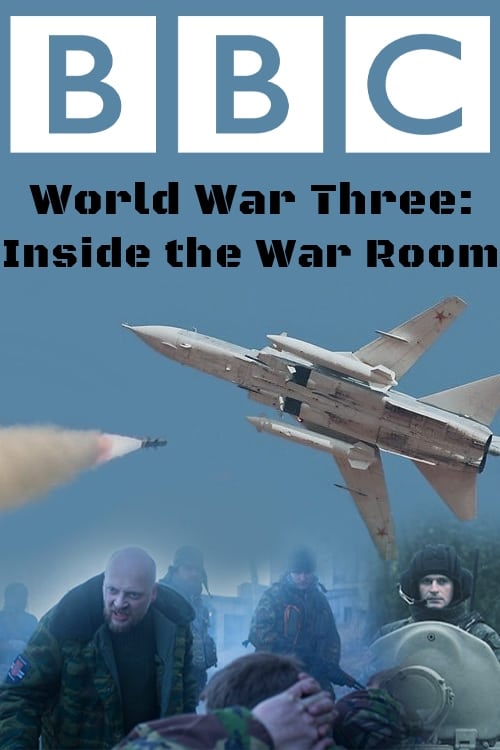
World War Three: Inside the War Room
2016
No user ratings available yet
Representation score: 1.9 out of 10
Representation Score
Fair
1998
Director
Robert Stone
Runtime
88 minutes
Average Rating
No ratings yetNew Showbiz Analysis
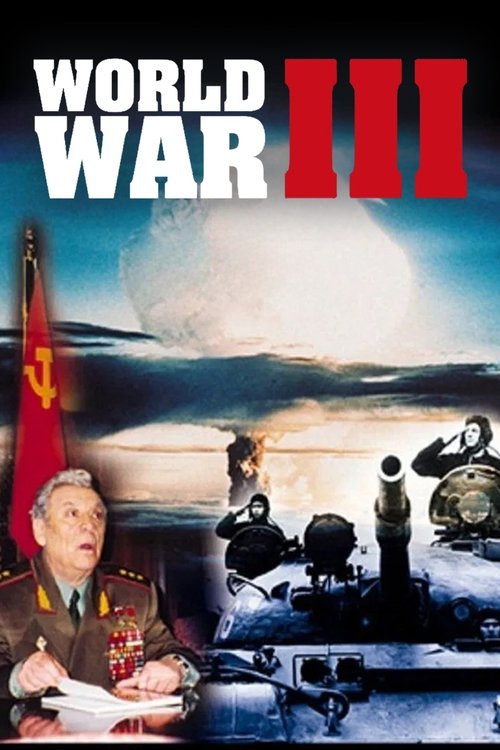
World War Three primarily serves as a systemic critique of geopolitical stability rather than an multi-layered character study. It excels at deconstructing historical narratives and challenging Western institutional authority through its mockumentary format. However, the film's focus on high-level political tension and military hierarchies results in a lack of visible representation for individual identities. The narrative architecture favors state-level movements over personal or diverse character perspectives. Ultimately, while the film offers a sophisticated cultural critique of power, it lacks the granular character diversity needed to address gender, LGBTQ+, or disability representation effectively.
Category Breakdown
The film does not include explicit LGBTQ+ characters or narratives. Its focus is on macro-level geopolitical events and military coups, which prioritize state actors over individual identity politics.
The narrative centers on military coups and nuclear escalation, settings that emphasize traditional masculine hierarchies. There are no indications of female characters driving political ability to act or subverting gender roles.
The setting involving East Germany and the USSR allows for an exploration of ethnic and national identity. While it moves beyond Anglo-centric perspectives, specific character-level diversity remains unconfirmed.
The mockumentary style depicts the collapse of the USSR, critiquing traditional power structures and presenting history as a fragmented, subjective construction.
There is no evidence suggesting that disability, neurodivergence, or chronic illness are central to the narrative or character arcs.
Present on Screen
Limited or Absent
Official Synopsis
This mock documentary uses archival footage, interviews and reports taken out of context and staged interviews to highlight a possible escalation into a nuclear war. In this feature, tension in East Germany, and an uprising triggered by a visit by Gorbachev sees a successful military coup taking place in the USSR. Western actions against brutal crack-downs on civilians involved increases tension between the sides, finally resulting in nuclear war.
2016
1966
1973
1984
2000
1983
1990

1961
No reviews yet. Be the first to share your thoughts on this movie!
Use the rating form above to leave a star rating and optional review.