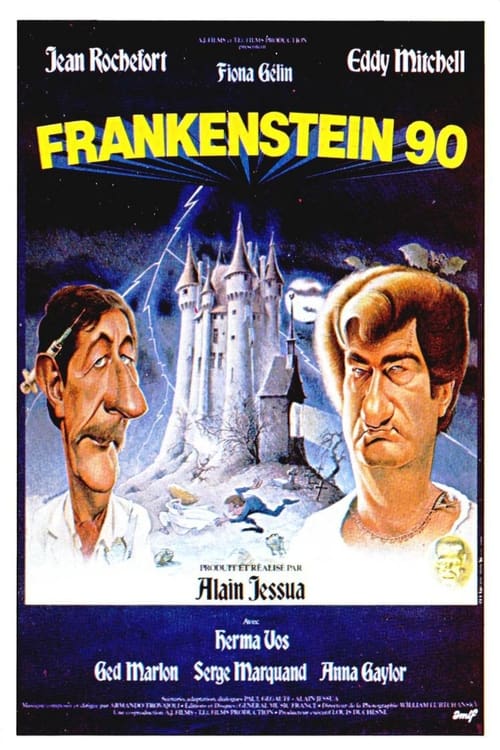
Frankenstein 90
1984
No user ratings available yet
Representation score: 4.0 out of 10
Representation Score
Limited
1975
XDirector
Armando Crispino
Runtime
89 minutes
Average Rating
No ratings yetNew Showbiz Analysis
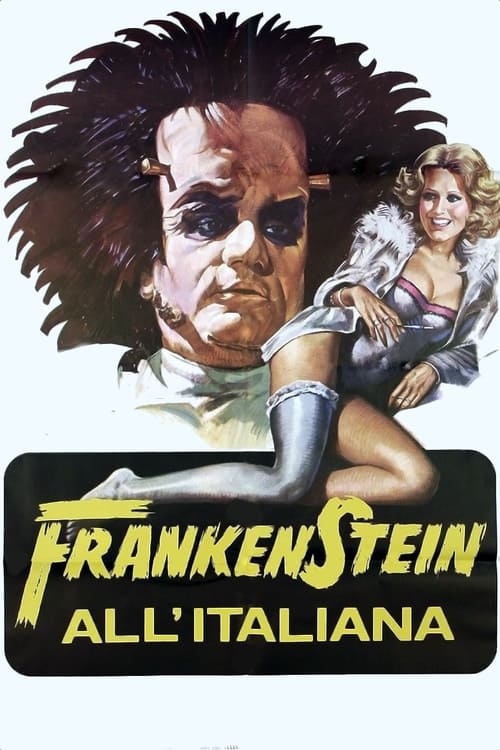
Frankenstein: Italian Style is a genre-driven horror-comedy that prioritizes Gothic clichés over social commentary. It operates within the established narrative constraints of 1970s European cinema, focusing on the mad scientist archetype and domestic disruption. The film lacks intentional exploration of multiple aspects of identity, relying instead on conventional gender roles and heterosexual norms. While it touches on ethical ambiguity regarding scientific progress, it does not deconstruct systemic power structures or identity politics. Ultimately, the work functions as a traditional piece of genre entertainment that reinforces rather than challenges the social norms of its era.
Category Breakdown
The film follows traditional heterosexual norms. The central conflict revolves around the monster's pursuit of Janet, reinforcing conventional desires without exploring diverse sexual identities.
Gender roles adhere to traditional Gothic conventions. Female characters mainly serve as objects of desire or plot catalysts, while the narrative centers on male scientific and domestic pursuits.
The production reflects the homogeneous European demographics typical of 1970s Italian genre cinema. There is no evidence of diverse casting or narratives challenging Eurocentric norms.
The film explores moral relativism through scientific hubris. However, these themes operate as genre clichés rather than a critique of Western religious or social institutions.
The character Igor uses a cliché often linked to physical deformity. This inclusion serves as a traditional plot device or comedic element without offering nuanced representation.
Present on Screen
Limited or Absent
Official Synopsis
Dr. Victor Frankenstein creates a monster to show his scientific theories, but soon leaves him. So the scientist tries to rebuild his life getting married with Janet, and retires to his castle with Igor. However the monster comes back to haunt Frankenstein, and so Victor finds out that the monster has ferocious sexual orientation to Janet. Frankenstein then calls the servant Igor to readjust the monster, but also Igor takes advantage of Janet...
1984
1966
1995

1974
2010

1958
1969
1969
No reviews yet. Be the first to share your thoughts on this movie!
Use the rating form above to leave a star rating and optional review.