Diary
1983
No user ratings available yet
Representation score: 4.8 out of 10
Representation Score
Fair
2022
Director
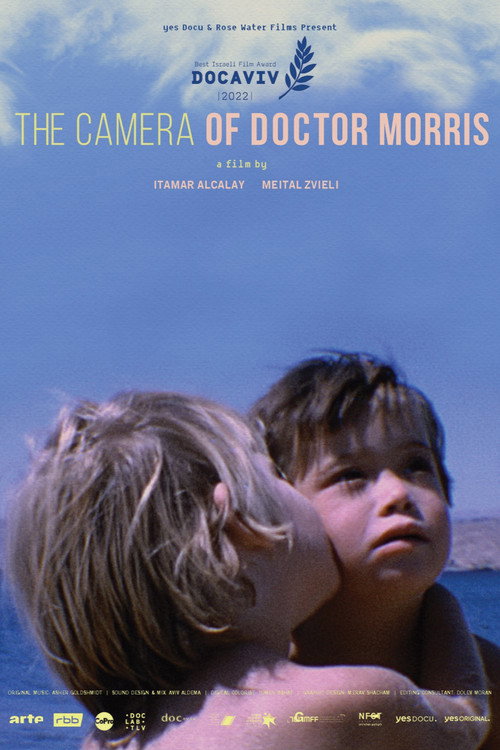
Itamar Alcalay, Meital Zvieli
Runtime
74 minutes
Average Rating
No ratings yetNew Showbiz Analysis
The film succeeds as a piece of archival reclamation, replacing monumental history with the intimate, lived experiences of a single family. By focusing on the intersection of British identity and the Israeli landscape, it offers a nuanced look at migration and cultural integration. However, the representation remains largely traditional. The narrative is anchored in conventional structures of marriage and family lineages, which limits its impact in terms of broader social diversity. Ultimately, the work is a study of the 'extraordinary ordinary,' providing a platform for personal ability to act within a specific geographic context, even if it lacks diverse identity markers.
Category Breakdown
The film focuses on the heterosexual relationship between Dr. Morris and Fay, with no visible LGBTQ+ characters or non-assuming gender matches what was assigned at birth identities.
The narrative explores female life through motherhood and partnership. Fay is a central figure, but her role is mainly within the domestic and familial spheres.
The story highlights a cross-cultural intersection between British expatriates and the Israeli desert. The primary cast appears to be of European descent, avoiding a purely Anglo-centric setting.
The documentary prioritizes personal, subjective truths over grand institutional histories. It captures the unvarnished realities of life in a desert outpost through a private family lens.
The film provides no specific information or visible portrayal regarding physical or neurodivergent disabilities.
Present on Screen
Limited or Absent
Official Synopsis
In the 1950s, a young British couple go on their honeymoon. They arrive at “the end of the world,” a small desert town, and decide to stay. In faraway Eilat, Israel’s southernmost city, they begin their new lives, while maintaining their British core. This is the story of Dr. Morris and his wife Fay. For decades, Dr. Morris filmed his family – the births and deaths, joys and tragedies, dramas and quiet days spent in the sun – all unfolding in the heat of the Israeli desert. Years after his death, the forgotten film was found and landed in the hands of directors Itamar Alcalay and Meital Zvieli. Together with the Morris family, they created a spectacular work about an extraordinary family, who are just as ordinary as everyone else.
1983

2010
1988
2020
2018
1995

2012
2011
No reviews yet. Be the first to share your thoughts on this movie!
Use the rating form above to leave a star rating and optional review.