Place de la République
1974
No user ratings available yet
Representation score: 4.7 out of 10
Representation Score
Fair
1957
Director
Alain Tanner, Claude Goretta
Runtime
17 minutes
Average Rating
No ratings yetNew Showbiz Analysis
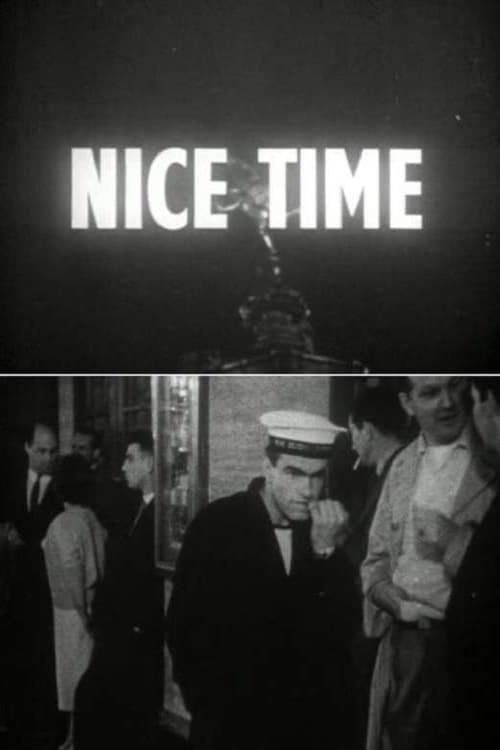
Nice Time operates as a sociological survey rather than a character-driven narrative. By focusing on the rhythmic observation of Piccadilly Circus, the film replaces traditional protagonist arcs with a decentralized study of human presence in a shared public space. The film's strength lies in its refusal to impose a singular moral perspective, allowing the chaotic energy of the city to dictate the rhythm. It captures a realistic, incidental glimpse of a multicultural, post-war London landscape. However, the observational format limits deep engagement with identity. Because the film focuses on transient movement rather than individual ability to act, it lacks the depth required to explore specific social hierarchies or personal narratives.
Category Breakdown
The documentary captures the varied social groups and non-traditional identities of 1950s London nightlife. While it doesn't have a modern focus on identity, it provides a look at fluid social interactions.
Women are shown as active participants in the nightlife economy and social scene. However, the film lacks specific character roles that fully challenge traditional gender hierarchies.
The film reflects a cosmopolitan, post-war London through the presence of diverse people. This representation is incidental, offering a realistic glimpse into a multicultural urban center.
The work adopts a secular, observational mode that emphasizes a subjective view of urban life. It favors a fluid, existentialist perspective over structured religious or moral frameworks.
There is insufficient evidence to determine how individuals with disabilities are represented within this urban montage.
Present on Screen
Limited or Absent
Official Synopsis
A montage of the night-life of Piccadilly Circus across the hours, from early evening to the last lingering passers-by.
1974

1927
1957
1929
1954
1964
1988

1965
No reviews yet. Be the first to share your thoughts on this movie!
Use the rating form above to leave a star rating and optional review.