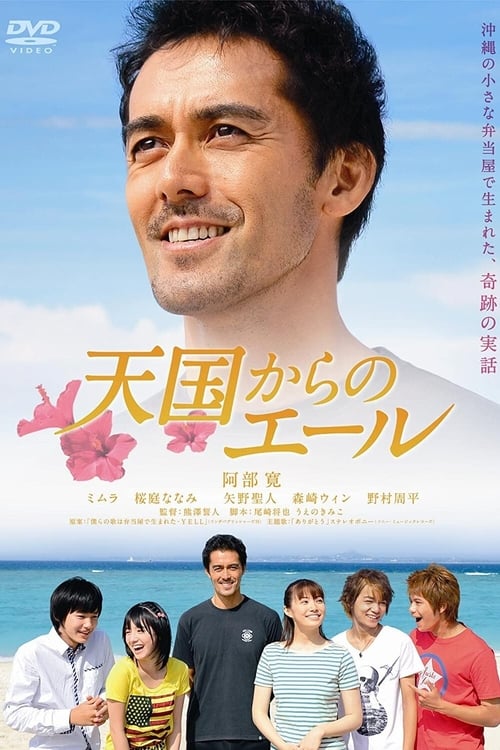
Cheers From Heaven
2011
No user ratings available yet
Representation score: 7.3 out of 10

Representation Score
Excellent
2011
Director
Yu Irie
Runtime
89 minutes
Average Rating
No ratings yetNew Showbiz Analysis
Ringing in Their Ears employs a multi-perspective ensemble structure to challenge conventional protagonist clichés. By intertwining the lives of musicians, single mothers, and shut-ins, the film prioritizes a decentralized social fabric over hierarchical success stories. The film values fragmented and reclusive lives, using music as a catalyst for connection among diverse social groups. This approach elevates underrepresented archetypes and fosters a nuanced view of social cohesion. Despite the absence of explicit high-level identity politics, the narrative structure subtly critiques rigid social conformity and institutional norms.
Category Breakdown
The film does not explicitly confirm any queer identities or romantic relationships. However, the focus on reclusive characters allows for exploring non-traditional social identities.
Women are portrayed in key social roles such as single mothers and kindergarten teachers, emphasizing domestic and communal responsibilities rather than traditional patriarchal roles.
As a Japanese production, the film highlights underrepresented social subgroups. This counters depictions of a homogeneous, idealized middle class by focusing on social outsiders.
The story supports lifestyles outside traditional capitalist productivity by centering on shut-ins and reclusive figures. Music serves as a transformative force against rigid social structures.
The inclusion of hikikomori, or shut-ins, provides a platform to explore social withdrawal. This shifts the narrative focus away from purely productive societal roles.
Present on Screen
Limited or Absent
Official Synopsis
Yu Irie (8000 MILES 1 & 2) returns with this ambitious flick about an upcoming concert by a reclusive rock group and the managers, obsessed fans, shut-ins, single moms and kindergarten teachers who are affected by it. A true tribute to the healing power of rock and roll.
2011

2005
2013
2012

1980
2001

2018
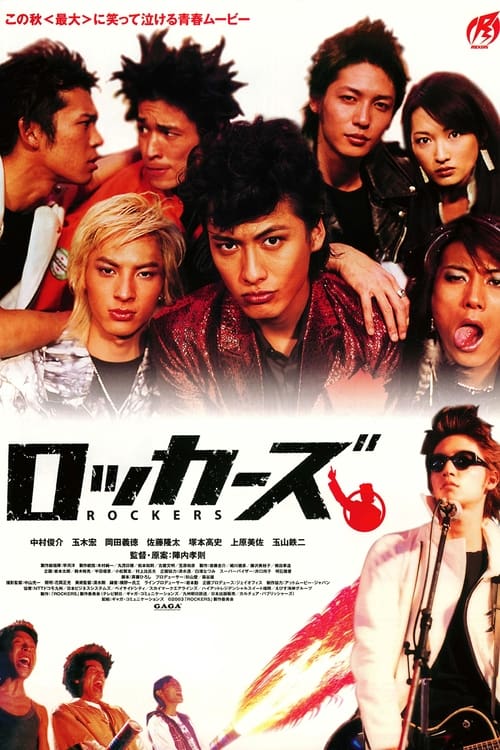
2003
No reviews yet. Be the first to share your thoughts on this movie!
Use the rating form above to leave a star rating and optional review.