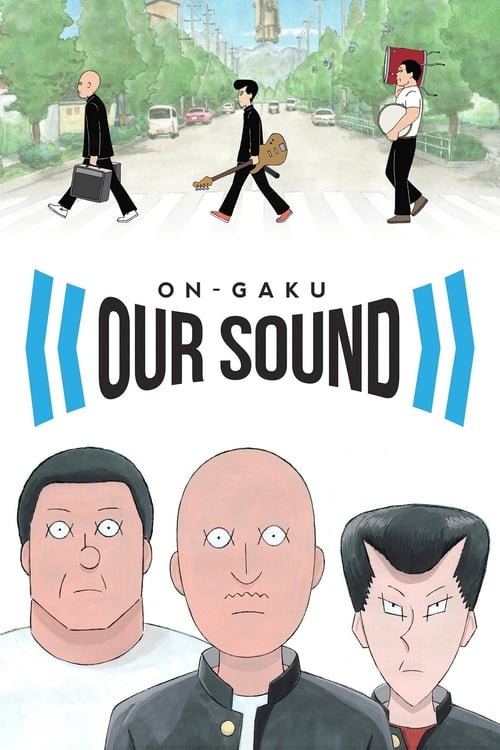
On-Gaku: Our Sound
2020
No user ratings available yet
Representation score: 1.1 out of 10

Representation Score
Fair
2005
TV-PGDirector
Nobuhiro Yamashita
Runtime
115 minutes
Average Rating
No ratings yetNew Showbiz Analysis
Nobuhiro Yamashita’s film is a slice-of-life character study centered on adolescent friendship and musical pursuits. It stands out by centering a female-led ensemble that actively shapes the narrative, avoiding traditional gender power hierarchies. While the film includes a Korean exchange student to explore cross-cultural interactions, the overall social landscape remains largely homogeneous. The narrative avoids systemic critiques, choosing instead to focus on the personal rhythms of youth. However, the film lacks representation of LGBTQ+ identities and disabilities. It functions as a grounded, low-stakes drama that emphasizes camaraderie over overt ideological messaging.
Category Breakdown
The film does not include explicit LGBTQ+ identities or narratives. Instead, it focuses on the close friendships between adolescent girls without exploring same-sex relationships.
The film features a strong female ensemble that drives the story through their musical ambitions and active roles. By emphasizing the band members' creative work, the film avoids the cliché of submissive femininity.
The inclusion of Son, a Korean exchange student, adds ethnic diversity. Her interactions highlight cultural differences and language barriers within a Japanese high school setting.
The story presents a realistic, everyday portrayal of Japanese life. It focuses on personal, day-to-day experiences rather than political or radical social critiques.
The film does not feature any prominent characters with visible or invisible disabilities. Disability is not used as a plot device or to highlight the ability to act of disabled individuals.
Present on Screen
Limited or Absent
Official Synopsis
Only three days before the school festival, a newly formed high school band rushes to put together a set for their big show — including a hit single by '80s by the Japanese punk rock band The Blue Hearts.
2020

2013

2003
2004
1992
1991
2003
2011
No reviews yet. Be the first to share your thoughts on this movie!
Use the rating form above to leave a star rating and optional review.