
Wajib
2017
No user ratings available yet
Representation score: 4.5 out of 10
Representation Score
Fair
2022
Director
Ehab Tarabieh
Runtime
83 minutes
Average Rating
No ratings yetNew Showbiz Analysis
The film is a focused exploration of ethnic and regional specificity. It succeeds by centering a underrepresented group and presenting a cultural framework that operates independently of Western norms. However, the work lacks progressive identity markers common in contemporary cinema. The focus on patriarchal leadership and traditional family structures limits the representation of gender and LGBTQ+ identities. Ultimately, the film provides significant value through its deconstruction of standard geopolitical narratives, even while remaining within conventional social hierarchies.
Category Breakdown
The film does not include any explicit LGBTQ+ characters or non-straight relationships. The story focuses on traditional family structures and duties, emphasizing a narrow focus on straight relationships.
The story centers around a traditional patriarchal structure, driven by male figures and a respected leader. The plot emphasizes masculine leadership and duty rather than diverse gender perspectives.
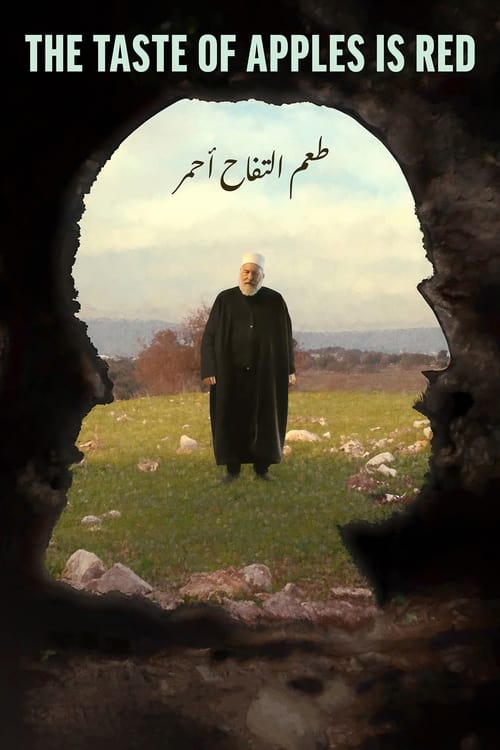
The film stands out by focusing on the specific ethnic identity of Druze communities in the Golan Heights. It challenges Western-centric views by prioritizing a localized, ethnic-specific experience with strong character roles.
The narrative presents a worldview rooted in regional complexities and communal obligations. It challenges Western moral frameworks by prioritizing local customs and Middle Eastern sociopolitical realities.
There are no characters with visible or invisible disabilities mentioned in the narrative.
Present on Screen
Limited or Absent
Official Synopsis
In the Druze mountain villages between Syria and Israel, Kamel, a respected sheik, must make an impossible decision between family and duty when his estranged brother returns to the Golan Heights after 47 years in exile.
2017

2016
2020

2017
2004

2004

2024

2021
No reviews yet. Be the first to share your thoughts on this movie!
Use the rating form above to leave a star rating and optional review.