
The Bermuda Triangle
1978
No user ratings available yet
Representation score: 2.0 out of 10
Representation Score
Fair
1998
PGDirector
Norberto Barba
Runtime
86 minutes
Average Rating
No ratings yetNew Showbiz Analysis
Lost in the Bermuda Triangle is a conventional late-90s genre telefilm that prioritizes melodrama and mystery over social subversion. The narrative is built around a central heterosexual couple, which limits its scope regarding multi-layered identities. The film relies heavily on traditional clichés, such as the female character being a passive object of a search and the use of illness as a plot device. This approach reinforces the era's standard cinematic norms rather than expanding them. Ultimately, the work functions as a standard period piece. It lacks intentional efforts to disrupt social hierarchies or integrate diverse perspectives, sticking instead to established Western dramatic structures.
Category Breakdown
The story centers on a traditional heterosexual marriage and the challenges of pregnancy. There are no visible LGBTQ narratives or non-binary gender identities present.
The plot relies on the 'distressed female' cliché, where the woman's role is limited by medical crises and supernatural events. The male protagonist drives the action as the main seeker.
The narrative follows a standard mystery setup typical of 1998 television. It appears to utilize a homogeneous, Western-centric cast without specific evidence of diverse ensemble casting.
The film adheres to Western dramatic structures centered on the nuclear family. It explores conventional moral frameworks regarding life and death rather than challenging established institutions.
Uterine cancer serves as a catalyst for melodrama and plot tension. The portrayal focuses on medical vulnerability rather than a nuanced exploration of lived experience with chronic illness.
Present on Screen
Limited or Absent
Official Synopsis
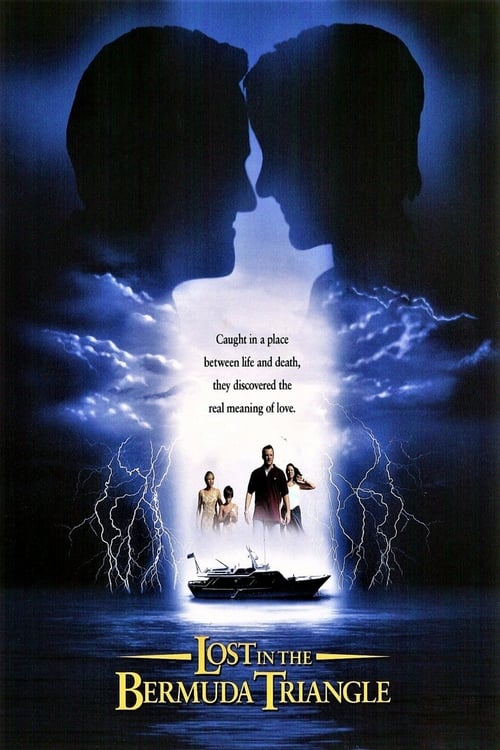
Wife of an upscale business executive becomes pregnant and at the same time discovers she has cancer in her uterus. Treatment means terminating the pregnancy. Keeping the baby means her ultimate death. The couple take a second honeymoon in Bermuda to make decision and while on a boat trip she is taken by what appear to be the forces of the Bermuda Triangle. The husband vows to find her, amid accusations of foul play and consults the help of a charter boat captain and a frustrated scientist.
1978

1993

1996
1975

2007

1979

2001

1975
No reviews yet. Be the first to share your thoughts on this movie!
Use the rating form above to leave a star rating and optional review.