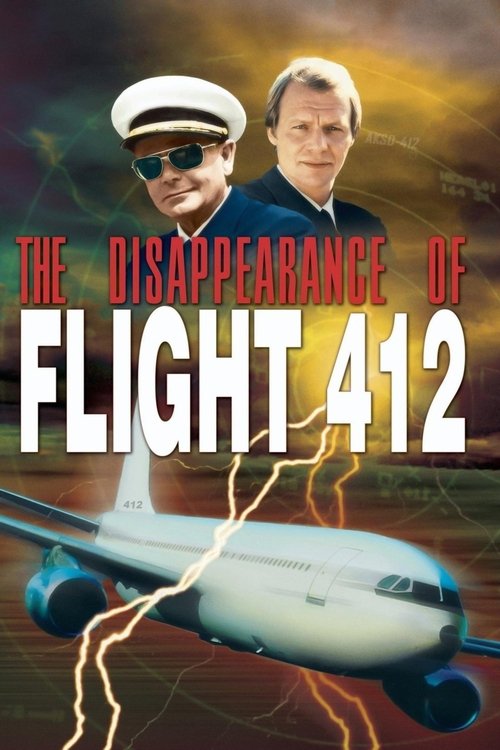
The Disappearance of Flight 412
1974
No user ratings available yet
Representation score: 1.2 out of 10
Representation Score
Limited
1975
Not RatedDirector
William A. Graham
Runtime
74 minutes
Average Rating
No ratings yetNew Showbiz Analysis
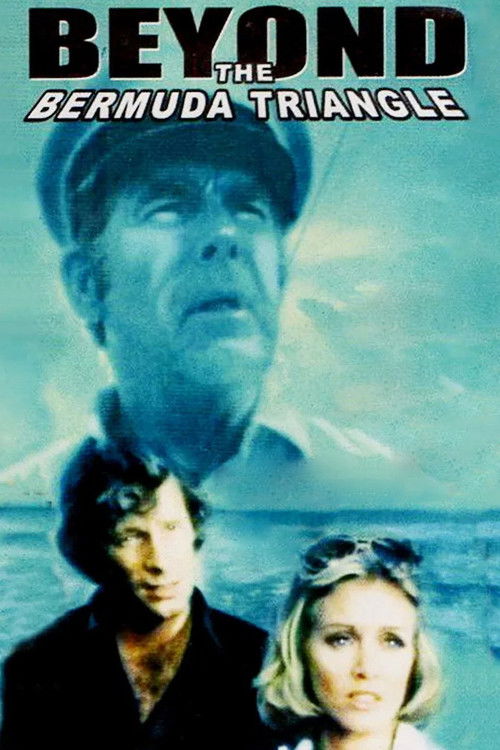
Beyond the Bermuda Triangle operates as a conventional genre piece that adheres to the storytelling norms of the mid-1970s. The narrative relies on established mystery and science fiction clichés rather than challenging social hierarchies. The film lacks intentional characters who reflect more than one aspect of diversity. It centers on a traditional masculine archetype, limiting the scope of ability to act and diversity among characters. Overall, the production reflects the era's tendency toward homogeneous casting and traditional frameworks, offering limited engagement with progressive values or diverse perspectives.
Category Breakdown
The film does not include any characters with non-binary genders or same-sex relationships, following a traditional framework typical of 1970s television.
The male protagonist, a retired businessman, drives the investigation, reinforcing traditional gender roles where men are seen as intellectually and physically strong.
The cast appears homogeneous, reflecting the era's standard Anglo-Saxon demographics without a diverse ensemble.
The story follows standard Western narrative structures, focusing on traditional societal roles for a businessman.
The film does not feature any characters with visible or invisible disabilities, nor does it utilize disability as a central plot device.
Present on Screen
Limited or Absent
Official Synopsis
A retired businessman notices that there has been a rash of ships and planes disappearing off the Florida coast, and he starts to investigate.
1974

2009
1978
1979

1978

2004
1975

1979
No reviews yet. Be the first to share your thoughts on this movie!
Use the rating form above to leave a star rating and optional review.