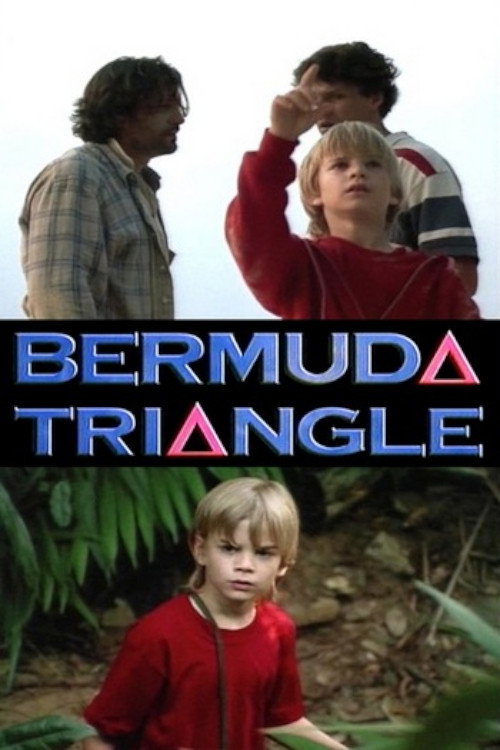
Bermuda Triangle
1996
No user ratings available yet
Representation score: 4.4 out of 10
Representation Score
Limited
1978
GDirector
René Cardona Jr.
Runtime
112 minutes
Average Rating
No ratings yetNew Showbiz Analysis
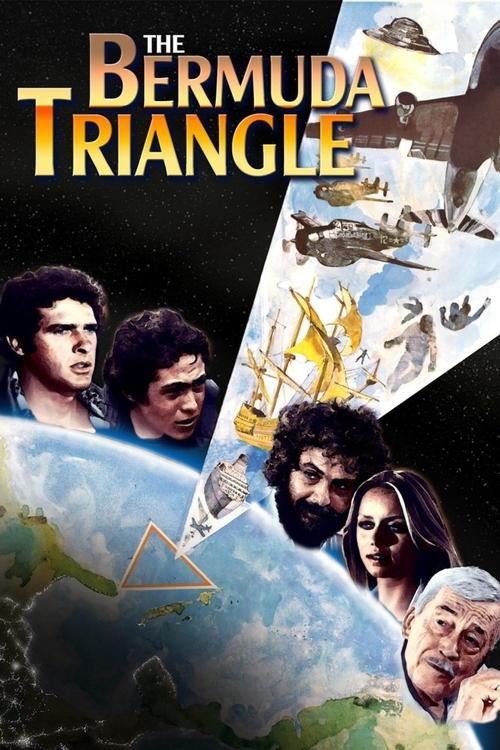
The Bermuda Triangle (1978) is a typical genre piece that prioritizes entertainment and spectacle over social commentary. It stays within the conventional narrative structures of late-1970s adventure cinema, avoiding any deep critique or subversion of traditional hierarchies. Although the maritime setting offers a backdrop for multicultural interaction, the film does not use race or culture as tools for meaningful storytelling. Representation remains superficial, adhering to the casting and social norms of its time. Ultimately, the film lacks the intentionality needed to provide nuanced or perspectives that reflect multiple aspects of identity, serving instead as a traditional example of horror-adventure clichés.
Category Breakdown
The film does not include any characters with non-straight or non-cisgender identities, nor does it feature any same-sex relationships or narratives. It follows traditional romantic and social structures typical of 1970s adventure films.
Female characters play supporting roles, often defined by their relationships to male characters. There is no evidence of women taking a leading role or driving the plot forward.
The Caribbean setting includes a diverse cast of passengers, but race is not a central theme. The film does not give actively leading roles to characters of color or explore multi-layered stories involving race and other identities.
The narrative focuses on suspenseful plot development rather than ideological critique or deconstructing Western institutions. It treats the central mystery as a supernatural event rather than a systemic issue.
There are no prominent depictions of visible or invisible disabilities. Characters are primarily defined by their roles as travelers or investigators within the horror genre.
Present on Screen
Limited or Absent
Official Synopsis
The passengers and crew of a boat on a summer cruise in the Caribbean stray into the famed Bermuda Triangle and mysterious things start happening.
1996
1963
1979
1975
2001
1975
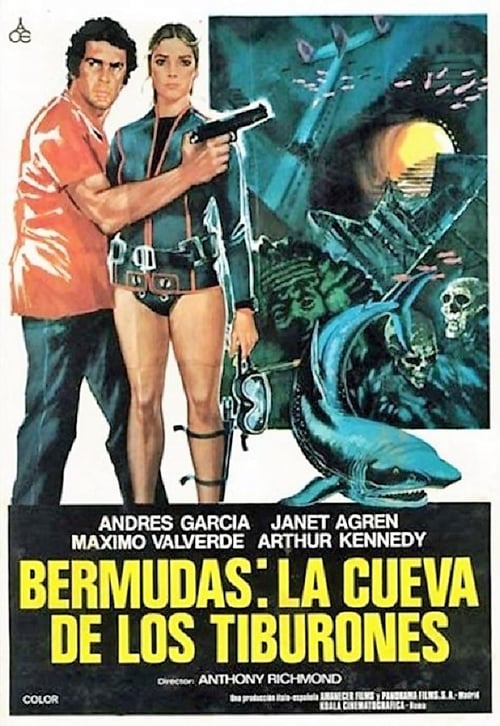
1978
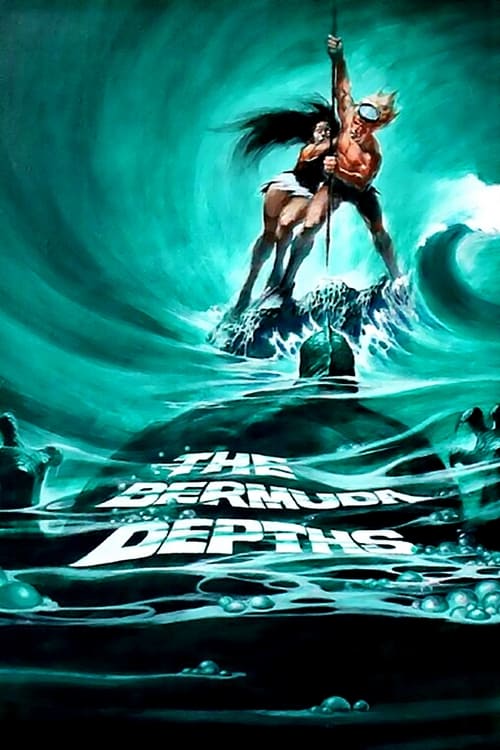
1978
No reviews yet. Be the first to share your thoughts on this movie!
Use the rating form above to leave a star rating and optional review.