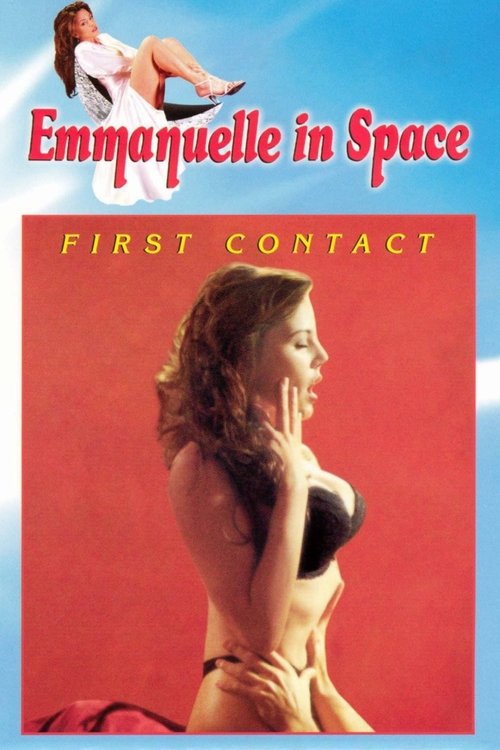
Emmanuelle: First Contact
1994
No user ratings available yet
Diversity score: 4.8 out of 10
1971
Not RatedDirector
Ralph Thomas
Runtime
87 minutes
Average Rating
No ratings yetSynopsis
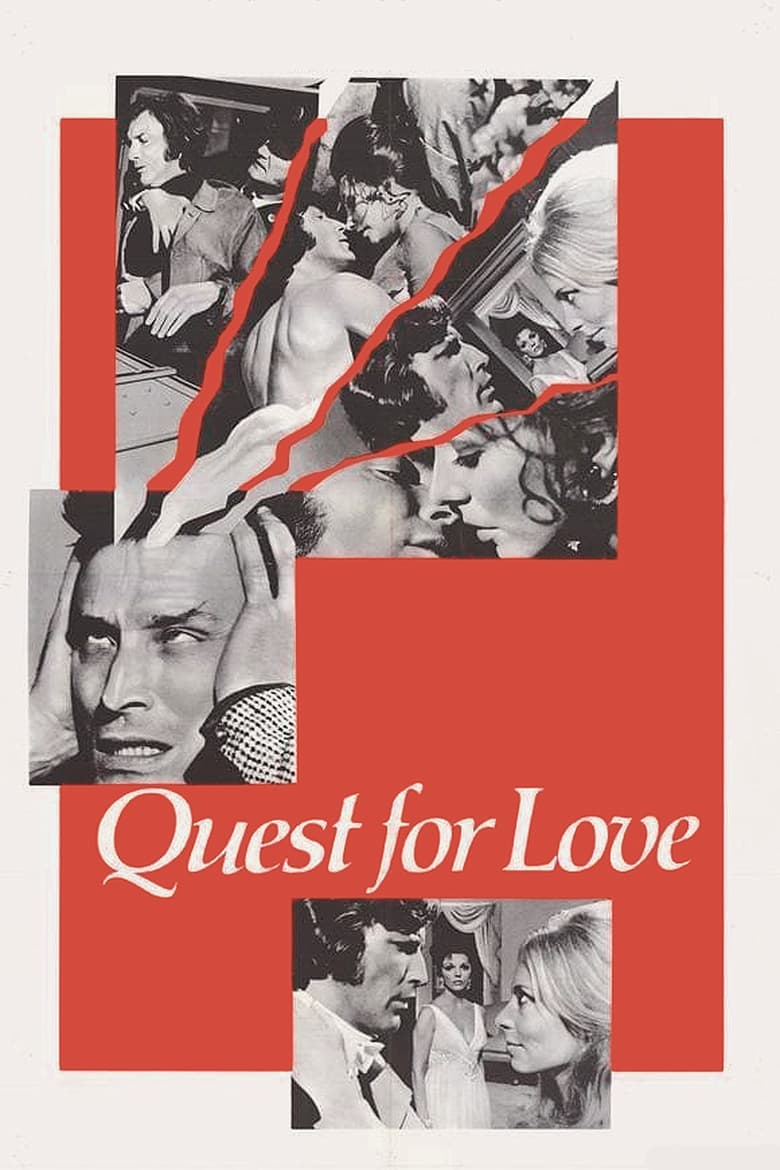
After a scientific experiment goes horribly wrong during a demonstration, a scientist finds himself trapped in an alternate reality that bears some similarities to our own, but also has some striking differences. In this other reality the Second World War had never occurred, mankind had not yet traveled into Space and Mt. Everest had not yet been conquered, just to name a few things. Also in this other reality he is no longer a scientist but rather a well known author. After a personal tragedy in this alternate world, he finds himself back in his own world and desperately trying to locate the woman he fell in love with in the other world. Little does she know, however, that her life depends on him finding her.
Overall Score
Limited
Category Breakdown
LGBTQ+ Representation
The film focuses entirely on a heteronormative romantic pursuit. There is no presence of non-cisnormative identities or same-sex intimacy within the character arcs.
Gender Representation
While the female lead provides significant emotional weight, the story centers on the male protagonist's perspective. Gender dynamics follow mid-century romantic tropes rather than subverting hierarchies.
Racial & Ethnic Diversity
The film depicts a largely homogeneous social environment. The setting reflects a specific British class structure without significant racial or ethnic blending.
Religious & Cultural Diversity
The narrative is embedded in Western romantic traditions and individual destiny. It focuses on personal memory and romantic ideals rather than challenging Western values.
Disability Representation
There is no representation of physical or neurodivergent disabilities. The protagonist's metaphysical displacement serves as a plot device rather than an exploration of lived experience.
Strengths
Areas for Improvement
AI Analysis
Quest for Love is a speculative romantic drama that prioritizes sentimentality over social disruption. The narrative uses a science-fiction conceit to explore personal connection, but it remains firmly rooted in the traditional cinematic norms of 1971. The film lacks intersectional complexity, focusing instead on a singular romantic ideal within a conventional demographic framework. It does not attempt to challenge established social or identity-based hierarchies. Ultimately, the work functions as a character study of individualist devotion, adhering to the period's standard representations of gender, race, and sexuality.
No reviews yet. Be the first to share your thoughts on this movie!
Use the rating form above to leave a star rating and optional review.