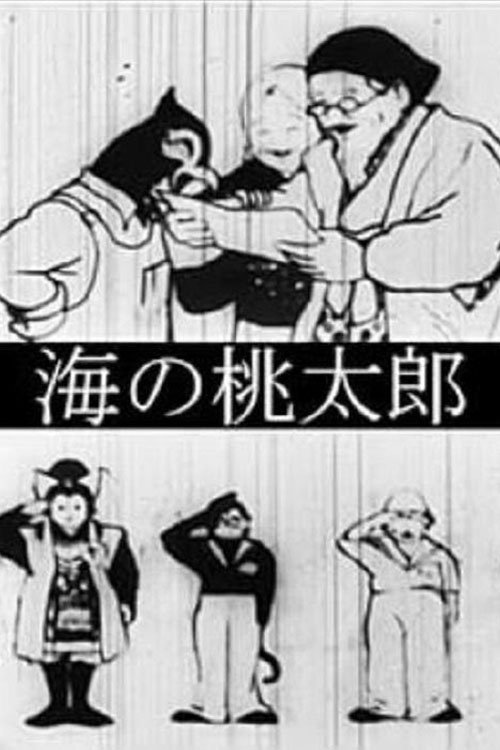
Umi no Momotaro
1932
No user ratings available yet
Representation score: 1.9 out of 10

Representation Score
Limited
1952
Director
Noburô Ôfuji
Runtime
10 minutes
Average Rating
No ratings yetNew Showbiz Analysis
Noburô Ôfuji’s *Kujira* is a significant historical piece of Japanese animation, known for its mastery of Chiyogami paper animation. It functions primarily as a formalist exploration of visual storytelling and aesthetic experimentation. The narrative revolves around a surreal event where a whale swallows humans. Since the plot centers on this mythic interaction with nature, it does not delve into complex social or identity-related discussions found in more recent works. While the film is a crucial non-Western contribution to animation history, it does not address systemic issues or provide progressive representation. Instead, it remains focused on form rather than social commentary.
Category Breakdown
The film does not include any documented LGBTQ+ characters or stories about non-straight identities. It focuses on a surreal event rather than personal identity issues.
Both men and women are shown being swallowed by the whale, which includes a mix of genders. However, the characters act together as a group rather than as individuals commenting on social issues.
As a 1952 Japanese production, the film reflects a non-Western cultural tradition. There is no specific evidence of intentional diversity in casting or character portrayal.
The story focuses on a mythic interaction between humans and nature, emphasizing folklore and surrealism rather than critiques of religion or institutions.
There is no information about the depiction of physical, sensory, or neurodivergent traits in this work.
Present on Screen
Limited or Absent
Official Synopsis
A whale swallows women and men.
1932

1973
1936
1935

2000
1965
1968
1956
No reviews yet. Be the first to share your thoughts on this movie!
Use the rating form above to leave a star rating and optional review.