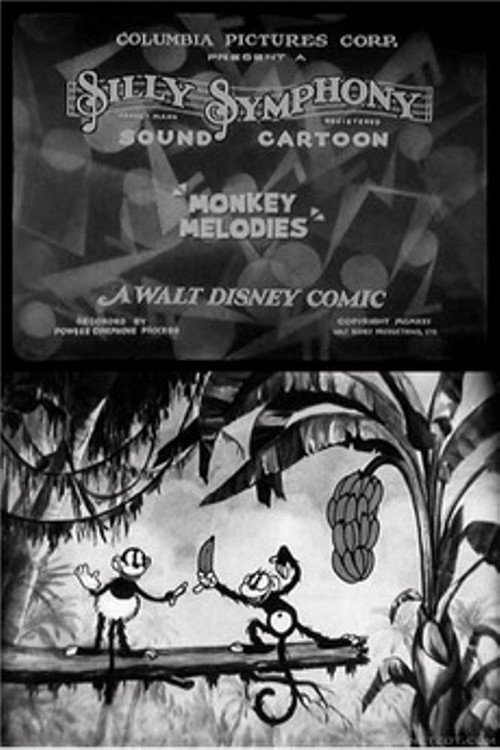
Monkey Melodies
1930
No user ratings available yet
Representation score: 2.4 out of 10
Representation Score
Minimal
1930
NRDirector
Burt Gillett
Runtime
6 minutes
Average Rating
No ratings yetNew Showbiz Analysis
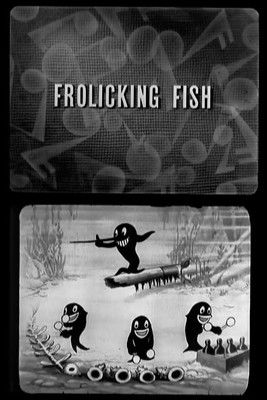
Frolicking Fish is a rhythmic, visually synchronized film featuring anthropomorphized aquatic creatures. Since the narrative centers on marine life rather than human social structures, it lacks the framework for traditional identity politics or systemic hierarchies. The film functions as an escapist piece of early animation. While it does not actively promote regressive values, its focus on character movement over complex characterization prevents any engagement with multi-layered themes. Ultimately, the work is a product of its era and genre, prioritizing visual rhythm and musicality over the nuanced human representation found in modern storytelling.
Category Breakdown
The film focuses on non-human marine life engaged in rhythmic movements. There are no romantic subtexts or intimate scenes that would allow for an assessment of LGBTQ+ identity.
Characters are anthropomorphic animals that follow traditional gender roles common in early 1930s animation. The film adheres to standard, non-challenging gender roles.
The cast consists entirely of fish and marine organisms. Therefore, the concept of racial or ethnic identity is not relevant to this aquatic narrative.
The film operates within a purely escapist, naturalistic framework. It does not engage with religious, political, or institutional structures like family or organized religion.
There are no characters with physical or neurodivergent traits that represent disability. The octopus functions as a traditional antagonist.
Present on Screen
Limited or Absent
Official Synopsis
The title pretty much says it: fish and other marine life dance and frolic to various tunes. An octopus keeps spoiling the fun in various ways.
1930
1930
1931
1932
1930
1934
1939

1931
No reviews yet. Be the first to share your thoughts on this movie!
Use the rating form above to leave a star rating and optional review.