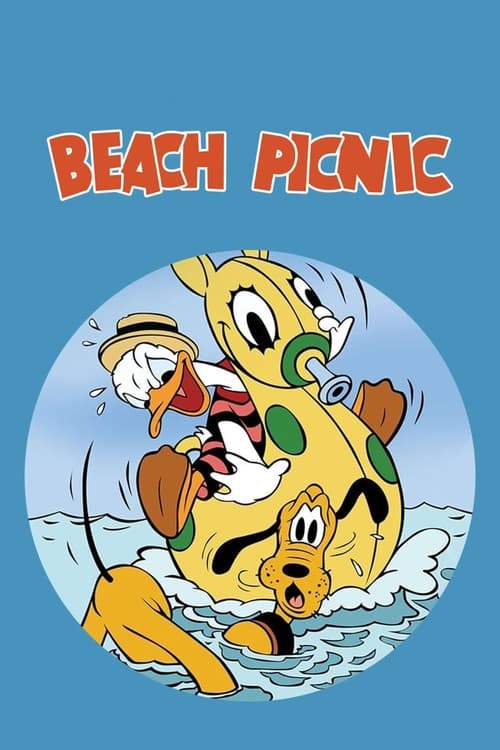
Beach Picnic
1939
No user ratings available yet
Representation score: 1.1 out of 10
Representation Score
Minimal
1931
Director
Burt Gillett
Runtime
7 minutes
Average Rating
No ratings yetNew Showbiz Analysis
This film is a typical comedic short that reflects the social norms of 1931. It relies on traditional character types and does not challenge established hierarchies or introduce complex identity issues. While the characters are central to the slapstick humor, they adhere to strict gender roles and a uniform social structure. The narrative emphasizes straightforward morality and recreational stability over diverse representations.
Category Breakdown
The film does not include any characters with LGBTQ+ identities or those who do not identify with the gender they were assigned at birth. The characters fit within the traditional roles of the time.
Minnie is shown doing household chores while the male characters participate in physical activities. This highlights the traditional division of labor between genders.
The animal characters do not represent different races or ethnicities. The social setting is uniform and does not reflect diverse backgrounds.
The story presents a simple, positive view of leisure and social harmony. It does not address any complex cultural or religious issues.
There are no characters with visible or invisible disabilities. The humor focuses on physical comedy rather than addressing any disabilities.
Present on Screen
Limited or Absent
Official Synopsis
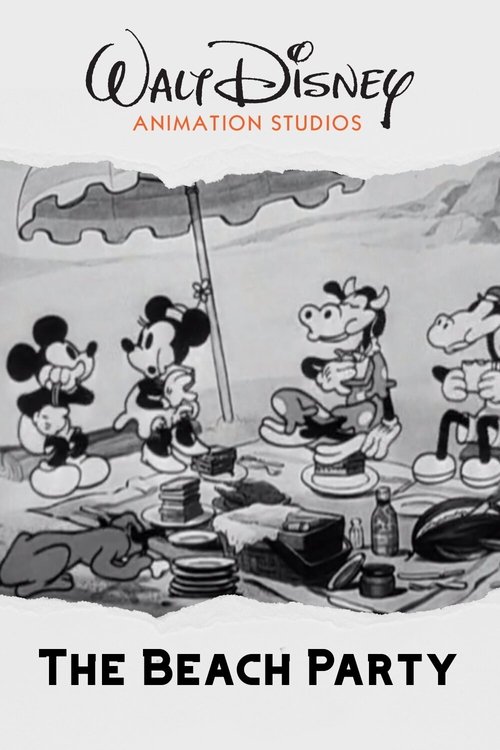
A fun day at the beach. While Mickey, Horace, and Clarabelle go swimming, or try to, Minnie lays out a picnic. Pluto discovers why you shouldn't chase a crab. Everyone digs in to lunch. Mickey throws Pluto a string of sausages; he dives after them, and comes up with an angry octopus instead, who crashes into the picnic. Everyone fights the octopus, and Mickey finally manages to send it out to sea by throwing an anchor like a lasso.
1939
1931
1932
1953
1938
1950
1932
1936
No reviews yet. Be the first to share your thoughts on this movie!
Use the rating form above to leave a star rating and optional review.