
Crossing the Line
2006
No user ratings available yet
Representation score: 3.7 out of 10
Representation Score
Good
2020
Director
Giedrė Žickytė
Runtime
85 minutes
Average Rating
No ratings yetNew Showbiz Analysis
The film deconstructs conventional Cold War history by centering a underrepresented Baltic identity. By focusing on Simas Kudirka’s desperate leap for asylum, the film shifts the perspective from superpower diplomacy to the lived experience of an individual resisting imperial erasure. Though the film lacks explicit markers regarding sexuality or disability, it offers a sophisticated critique of systemic power. It frames both Soviet and American institutions as forces that fail the individual, providing a non-traditional historical lens. Ultimately, the documentary's strength lies in transforming a specific ethnic struggle into a universal symbol of freedom and resistance against oppressive state structures.
Category Breakdown
The film does not focus on LGBTQ+ identities or non-cisgender expressions. Instead, it centers on a geopolitical and nationalist struggle.
The documentary highlights a male-dominated maritime and military world. However, it challenges traditional masculine stereotypes by emphasizing vulnerability and the failure of institutional protection.
The film provides significant visibility to a non-Western perspective by centering the Lithuanian experience. It challenges Western-centric Cold War history by elevating a Baltic narrative.
The narrative criticizes Western institutional effectiveness and maritime laws. It portrays state systems as indifferent forces prioritizing political stability over individual rights.
There is no mention of characters navigating physical or neurodivergent disabilities. The focus remains on the political and physical trauma of the defection.
Present on Screen
Limited or Absent
Official Synopsis
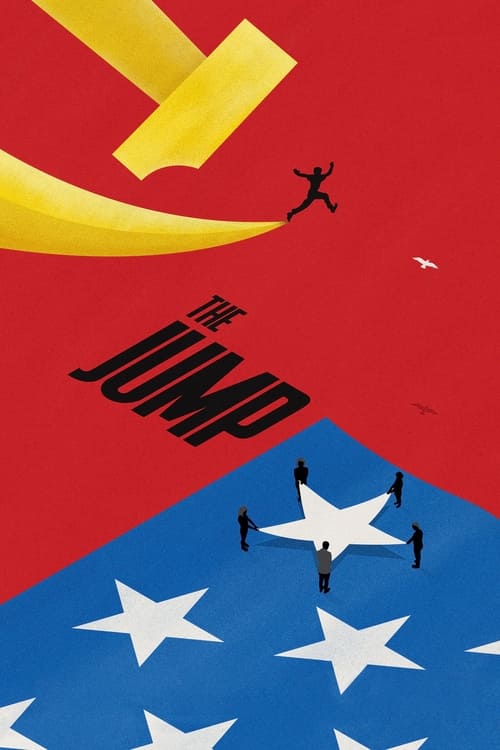
In the Cold War years of the 1970s, an American patrol boat meets a Soviet ship off the east coast of the United States for talks about fishing rights in the Atlantic. In the midst of this, while Russian commanders are aboard the U.S. Coast Guard vessel where the talks are being held, a Lithuanian sailor jumps across the ten feet of icy water separating the boats. Crash-landing on the deck of the American ship, he desperately begs for asylum. Though they try, the Americans ultimately fail to provide protection and the Soviets are allowed to capture him and brutally return him to their vessel. Thus begins a stranger-than-fiction story of imprisonment, discovery, fame, and freedom. Through rare archival footage and a dramatic first-person re-enactment of that fateful day by Simas Kudirka, the would-be defector himself, this tale of one of the biggest Cold War muddles takes us on a journey of uncanny twists of fate, and the emotional sacrifices of becoming a universal symbol of freedom.
2006
2020

2016
2001

2017

2019

2016

2018
No reviews yet. Be the first to share your thoughts on this movie!
Use the rating form above to leave a star rating and optional review.