Four Suns
2012
No user ratings available yet
Diversity score: 4.5 out of 10
1976
Director
George Schlatter
Runtime
91 minutes
Average Rating
No ratings yetSynopsis
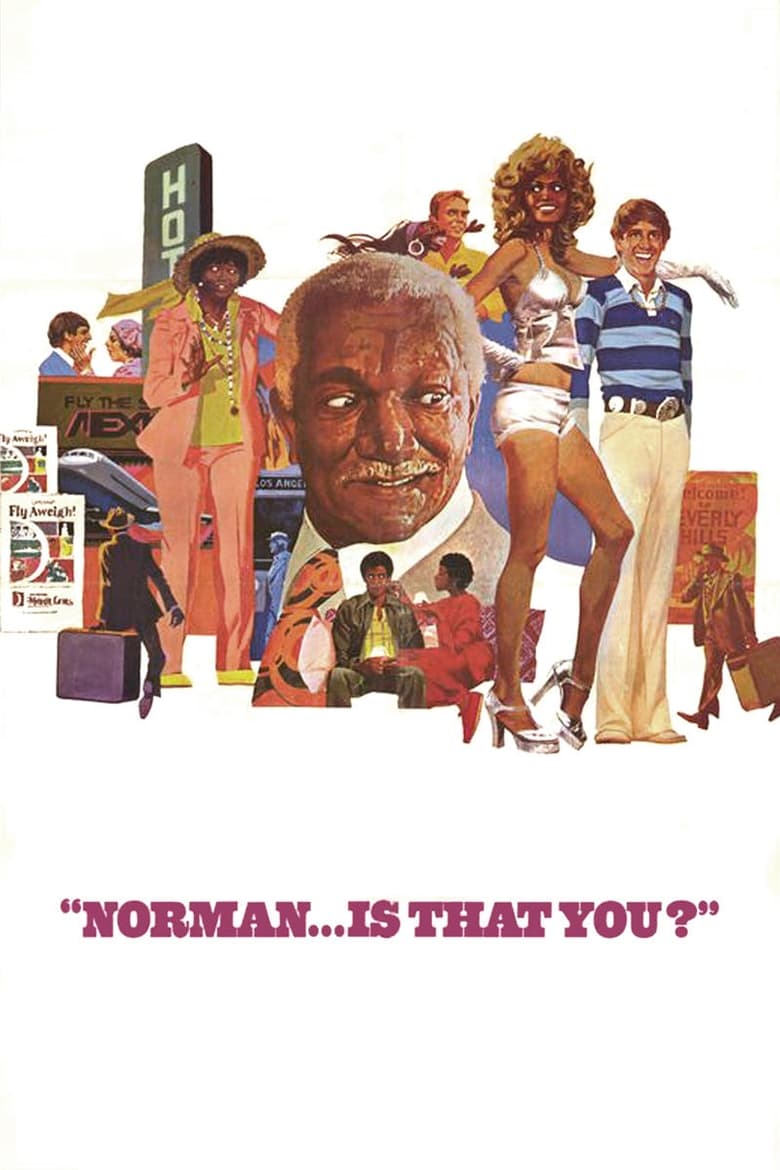
Ben and Beatrice Chambers discover that their son Norman is gay and so Ben is intent on setting him right.
Overall Score
Fair
Category Breakdown
LGBTQ+ Representation
The story centers on a son's sexual orientation as a source of domestic conflict. However, the narrative treats his identity as a problem for his father to solve rather than an autonomous experience.
Gender Representation
Gender dynamics follow traditional 1970s domestic structures. The plot is driven by a patriarchal lens, focusing on the father's authority to correct his son's identity.
Racial & Ethnic Diversity
The production lacks significant racial or ethnic intersectionality. It reflects the demographic homogeneity common to mainstream mid-1970s television specials.
Religious & Cultural Diversity
The film balances emerging progressive themes with traditional storytelling. It operates within a standard Western comedic framework without offering systemic critiques of religion or capitalism.
Disability Representation
There is no evidence of characters with visible or invisible disabilities within the work.
Strengths
Areas for Improvement
AI Analysis
This 1976 special captures a transitional moment in television history. While it engages with the then-emerging theme of queer identity, it does so through a lens of conflict and correction rather than true empowerment. The production remains heavily tethered to the social mores of its era. It relies on traditional domestic hierarchies and a homogeneous demographic, offering little in the way of intersectional or diverse perspectives. Ultimately, the work functions more as a commentary on mid-century social tensions than a progressive exploration of identity. It reflects the era's struggle to reconcile shifting social landscapes with established comedic tropes.
2012
2011
2018

1974
1986
2016

1994

2007
2018
1972
2005
2012
No reviews yet. Be the first to share your thoughts on this movie!
Use the rating form above to leave a star rating and optional review.