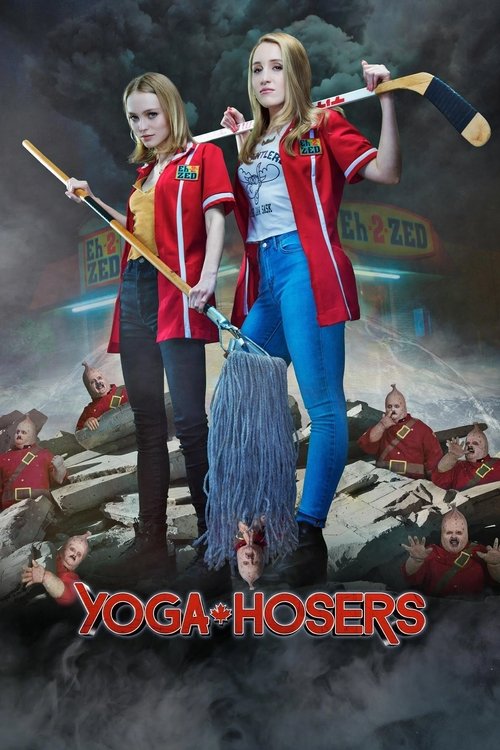
Yoga Hosers
2016
No user ratings available yet
Representation score: 5.5 out of 10
Representation Score
Limited
1999
RDirector
Rodman Flender
Runtime
92 minutes
Average Rating
No ratings yetNew Showbiz Analysis
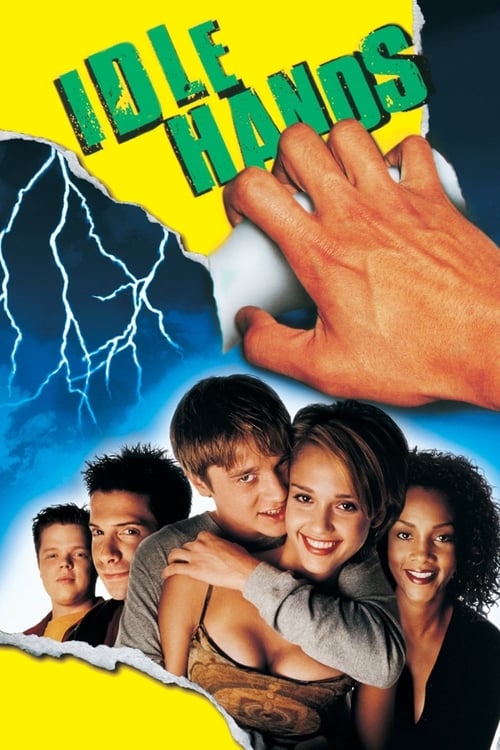
Idle Hands is a product of late-90s commercial horror-comedy, prioritizing genre clichés and slapstick humor over social commentary. The film functions within a very narrow demographic and social scope, reinforcing the status quo of its era. The narrative relies on established archetypes, particularly regarding gender and sexuality. It lacks multi-layered identities, focusing instead on a conventional suburban experience that remains largely homogenous. Ultimately, the film uses its supernatural elements to drive comedy rather than to explore complex human conditions like disability or cultural identity. It remains a standard genre piece without intentional social deconstruction.
Category Breakdown
The film follows a strictly heterosexual and cisgender framework. There are no queer subtexts or non-cisgender identities present in the central romance.
Narrative ability to act is heavily focused on the male protagonist. While the female lead provides emotional support, the story adheres to traditional gender roles and hierarchies.
The ensemble cast is predominantly white, reflecting the demographic homogeneity of late-90s suburban teen cinema. The film does not utilize diverse ethnic backgrounds to challenge the status quo.
The story operates within a standard Western framework of good versus evil. It relies on traditional supernatural morality rather than critiquing Western institutions or capitalism.
The protagonist's loss of bodily autonomy is treated as a supernatural plot device. This avoids a nuanced or meaningful portrayal of actual lived disability experiences.
Present on Screen
Limited or Absent
Official Synopsis
Anton is a cheerful but exceedingly non-ambitious 17-year-old stoner who lives to stay buzzed, watch TV, and moon over Molly, the beautiful girl who lives next door. However, it turns out that the old cliché about idle hands being the devil's playground has a kernel of truth after all.
2016
1992
1984

1993
2018
1993
1991
1988
No reviews yet. Be the first to share your thoughts on this movie!
Use the rating form above to leave a star rating and optional review.